
Chelmsford Physio Blog
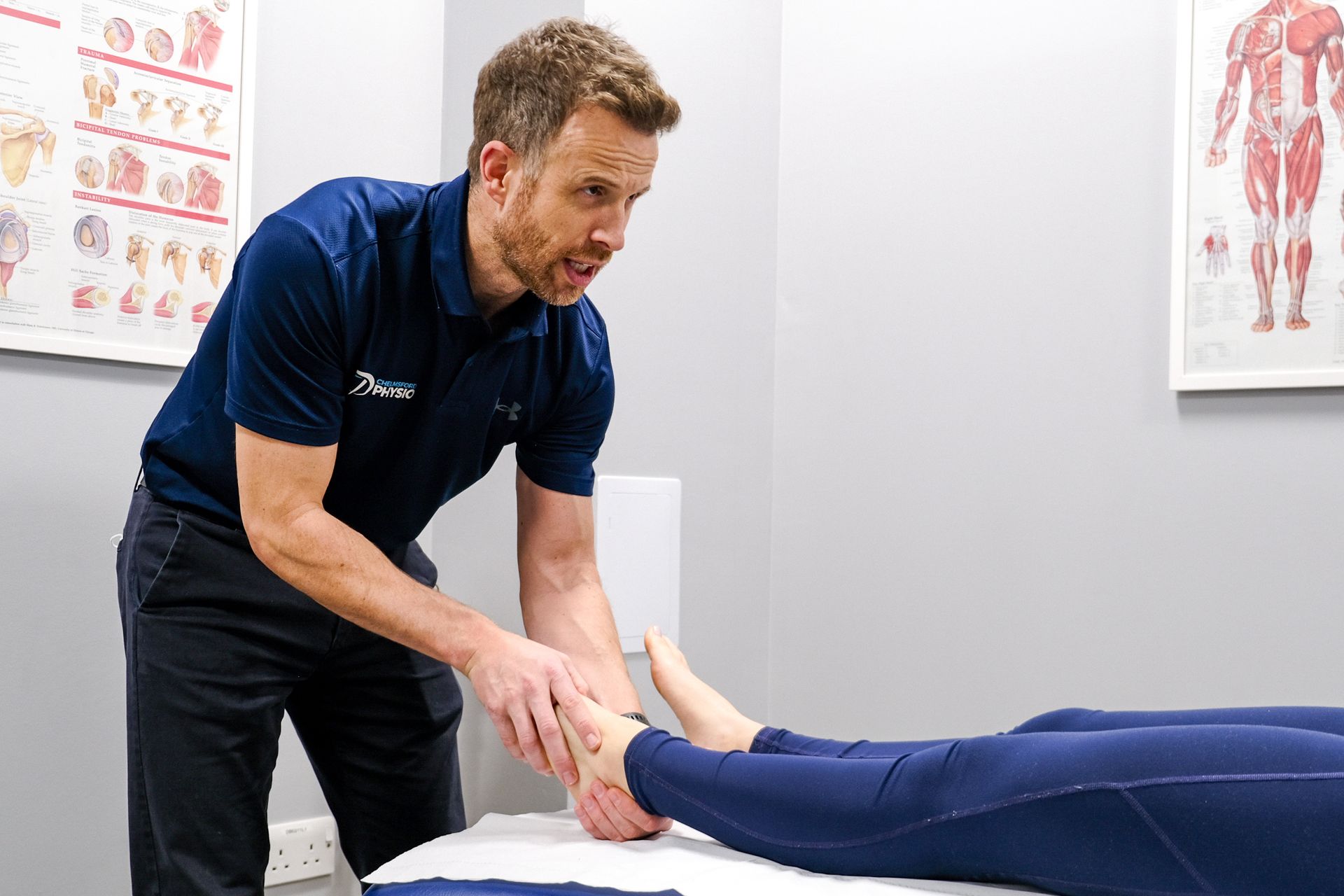
When it comes to addressing physical injuries or pain, timely access to physiotherapy can make a significant difference in recovery outcomes. While the NHS provides essential health services, long waiting times can often hinder immediate relief. This is where private physiotherapy enters the frame as a viable alternative. Here are several benefits of opting for Chelmsford Physio over waiting for NHS services. 1. Faster Access to Treatment One of the most compelling reasons to choose Chelmsford Physio is the speed of access to treatment. NHS physiotherapy services often involve lengthy waiting lists, sometimes extending weeks or even months. In contrast, private practitioners can offer prompt appointment scheduling, enabling you to start your rehabilitation without delay. For acute injuries or pain, this rapid access can be vital for effective recovery. 2. Bespoke/Individualised Treatment Plans Chelmsford Physio have more time to devote to each patient due to lower caseloads. This allows for comprehensive assessments of 45 minutes, rather than the 20 minutes session on the NHS, and the formulation of personalised treatment plans tailored to individual needs. In a private setting, you can expect a thorough evaluation that takes into account your medical history, lifestyle, and specific goals, leading to a more effective recovery plan.

Frozen Shoulder Diagnosis - 700+ Google Reviews - Your Local Essex Physio - Riverside Leisure Centre - All Types of Physiotherapy

Frozen Shoulder Causes - 700+ Google Reviews - Your Local Essex Physio - Riverside Leisure Centre - All Types of Physiotherapy
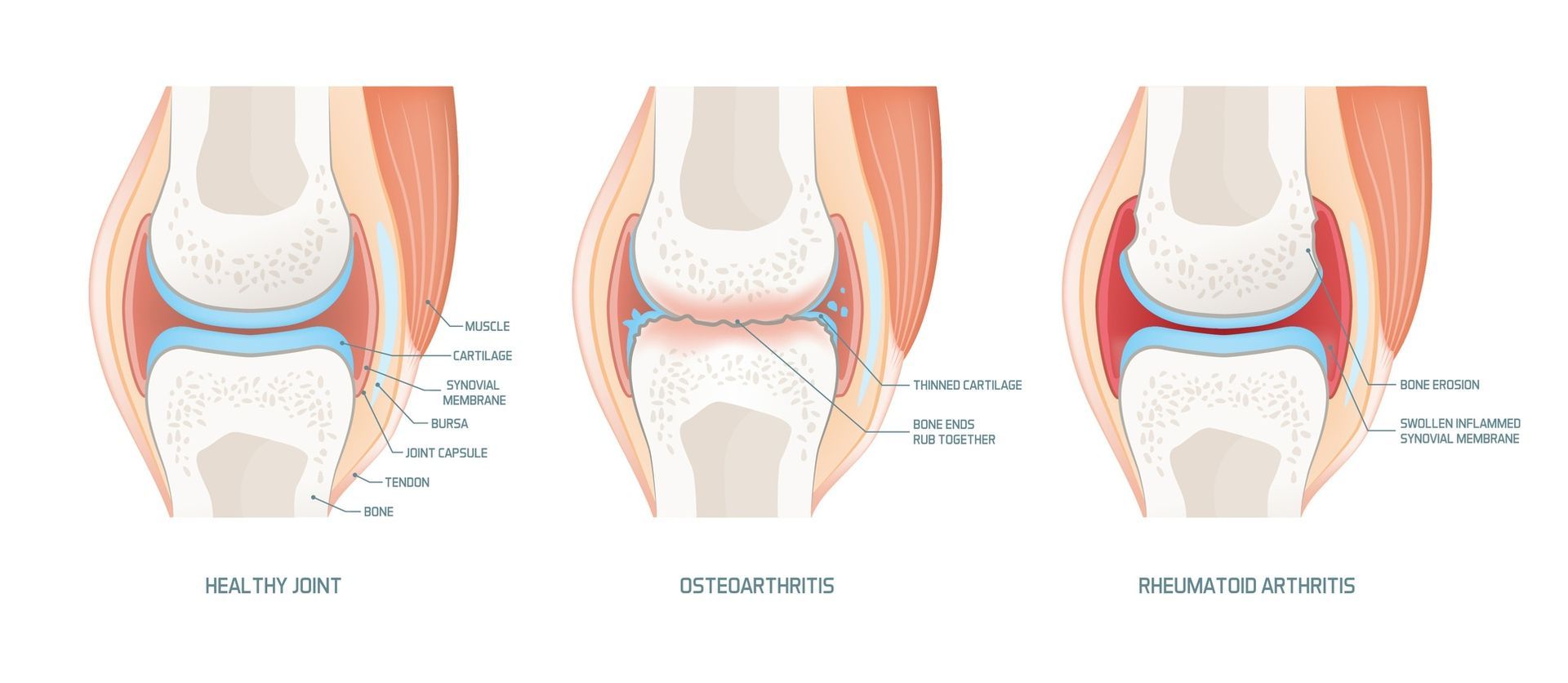
Rheumatoid Arthritis (RA) vs Osteoarthritis (OA) - 700+ Google Reviews - Your Local Essex Physio - Riverside Leisure Centre - All Types of Physiotherapy
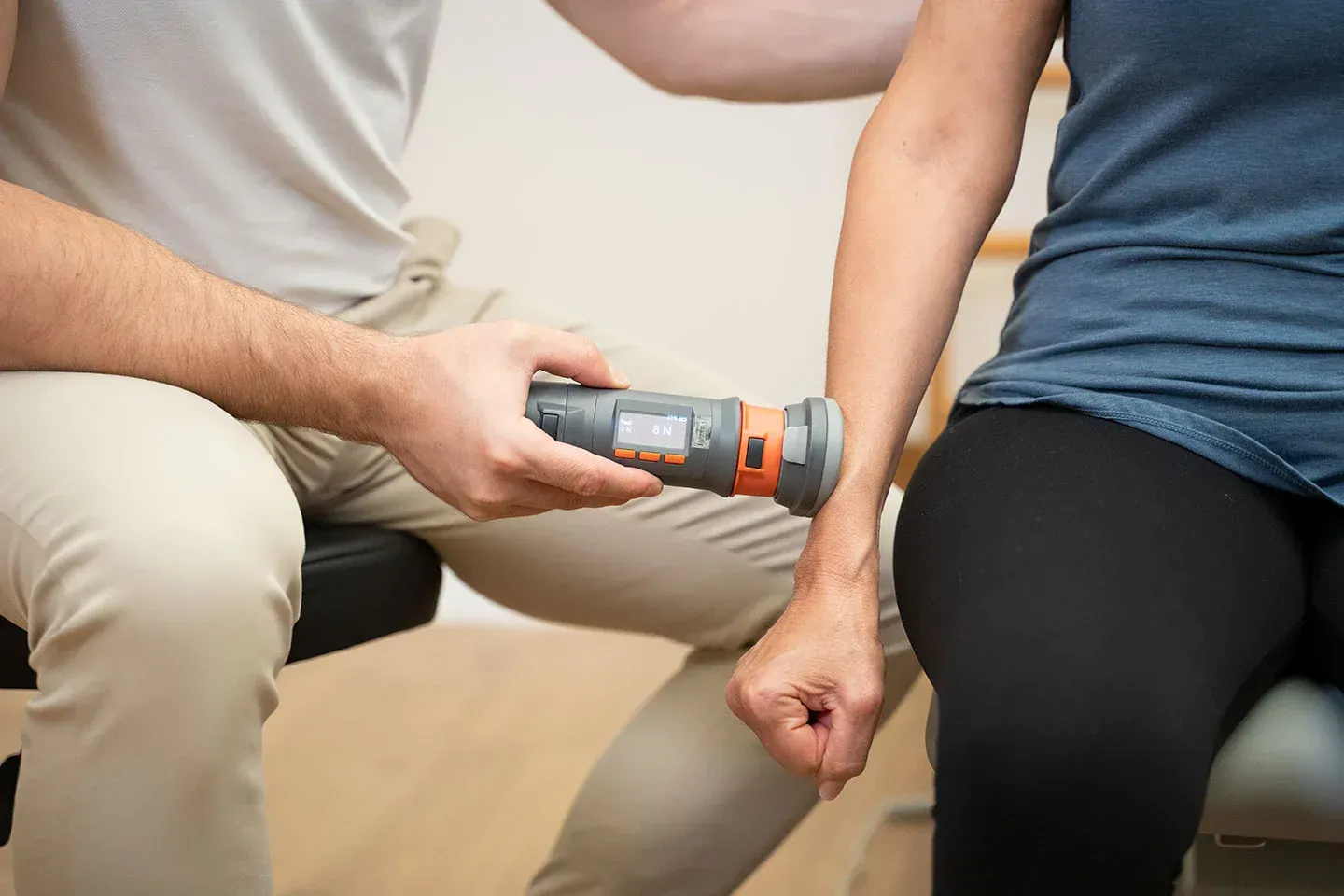
Chelmsford Physio uses the VALD Dynamo — the world’s most advanced handheld strength and movement testing system for patients and athletes.
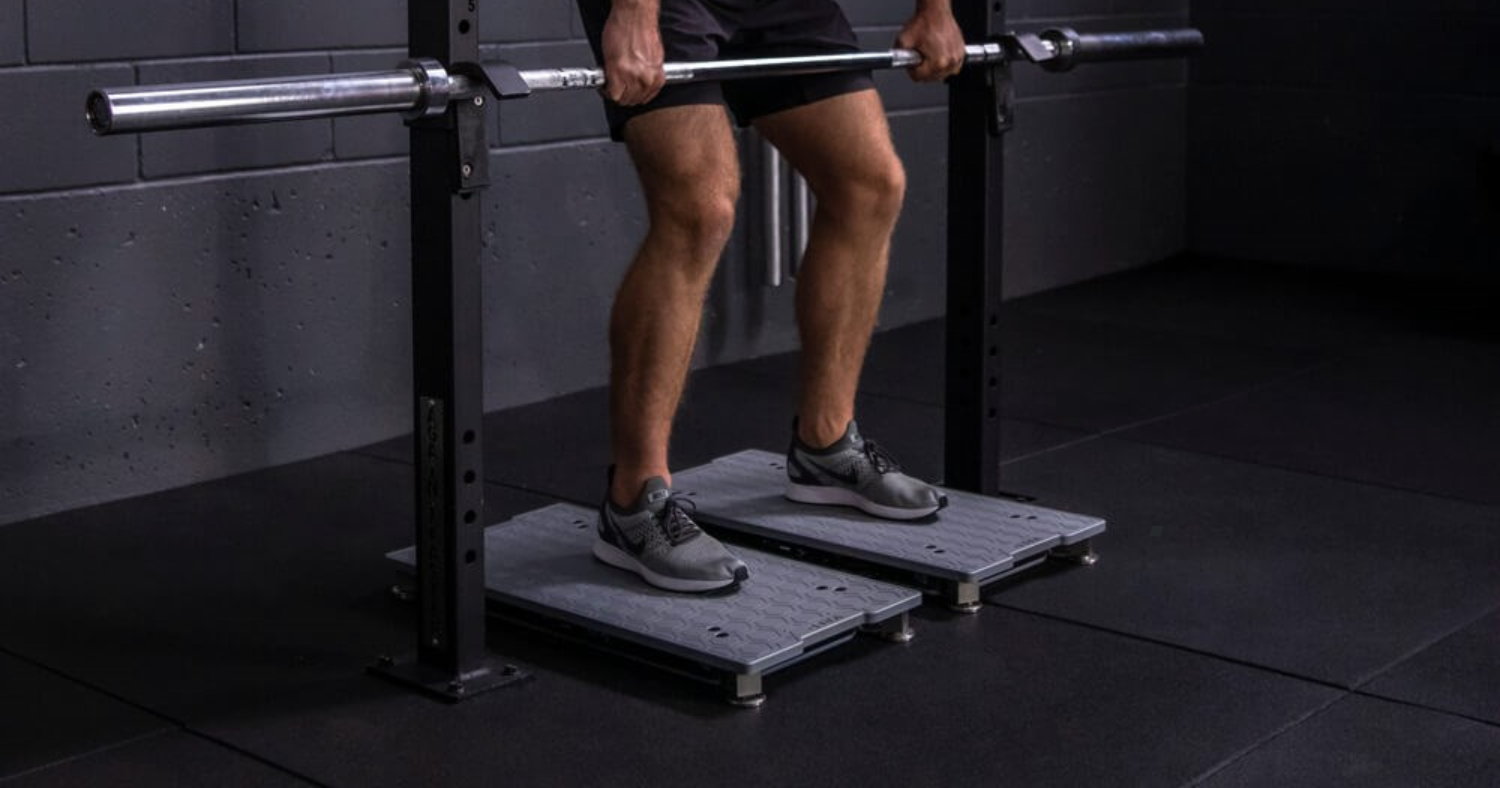
In modern physiotherapy, clinical expertise remains fundamental, but technology is transforming how we assess, monitor and guide rehabilitation. One of the most valuable innovations is the use of force plate technology, and at our clinic we utilise the VALD ForceDecks to provide objective, reliable data throughout a patient’s rehabilitation journey. Rather than relying solely on observation or subjective feedback, ForceDecks enable us to accurately measure how your body produces and absorbs force. This allows us to identify movement deficits that may not be visible to the naked eye, track progress over time, and make evidence-based decisions regarding exercise progression and return to activity. What are VALD ForceDecks? VALD ForceDecks are dual force plates that measure the forces generated through the feet during a wide variety of movements. Using highly sensitive load cells, they capture detailed information about strength, balance, power, asymmetries and movement strategies. Common assessments include: Countermovement jumps Squat assessments Single-leg balance testing Sit-to-stand testing Isometric strength testing Landing mechanics Hop testing for return-to-sport decisions Within seconds, the software analyses hundreds of metrics that provide clinicians with objective insight into a patient’s physical performance. Why Objective Assessment Matters Traditional physiotherapy assessments rely on observation, manual muscle testing and patient-reported symptoms. Whilst these remain valuable, they can miss subtle deficits that increase the risk of delayed recovery or re-injury. ForceDecks allow physiotherapists to quantify movement rather than estimate it. For example, following an ACL reconstruction, a patient may appear to squat evenly. However, ForceDecks often reveal significant offloading of the surgical limb, reduced eccentric control or delayed force production. These hidden compensations can then become specific treatment targets. Objective measurements also improve communication between clinician and patient. Seeing measurable improvements in strength or symmetry provides reassurance that rehabilitation is progressing, even when symptoms fluctuate. Monitoring Progress with Precision One of the greatest benefits of ForceDecks is the ability to track rehabilitation over time. Instead of simply asking whether someone feels stronger, we can measure improvements in: Peak force production Limb symmetry Rate of force development Jump height Landing forces Balance performance Weight distribution This enables rehabilitation programmes to be progressed based on measurable performance rather than arbitrary timelines. Improving Return-to-Sport Decisions Returning to sport too early remains one of the biggest risk factors for re-injury. Research has consistently demonstrated that persistent strength deficits and movement asymmetries can remain long after pain has resolved. ForceDecks help clinicians identify these deficits before an athlete returns to competition. Objective testing can assist with: Assessing readiness to return to running Evaluating landing mechanics Measuring explosive power Identifying left-right asymmetries Monitoring fatigue Reducing the risk of subsequent injury Rather than relying on a single test, ForceDecks contribute to a comprehensive return-to-performance assessment that combines physical capacity with clinical reasoning.

As pre-season gets underway, players across all levels of football and rugby are preparing for the demands of a long and physically challenging season. Whether you’re returning after a well-earned break, recovering from injury, or aiming to improve your performance, the weeks before competition begin are some of the most important in your sporting calendar. Many athletes focus solely on fitness and technical training during pre-season. However, ensuring your body is physically prepared is just as important. A comprehensive physiotherapy assessment can identify weaknesses, movement restrictions and performance deficits before they become injuries, allowing you to enter the season stronger, faster and more resilient. Why Pre-Season Preparation Matters Football and rugby place significant demands on the body. Players are required to accelerate, decelerate, sprint, change direction, jump, land, tackle and absorb contact repeatedly throughout a match. Following the off-season, reductions in strength, power, aerobic fitness and neuromuscular control can increase the likelihood of injury if training loads increase too quickly (Gabbett, 2016). Common injuries seen during the early part of the season include: Hamstring strains Calf injuries Groin pain Ankle sprains Knee ligament injuries Quadriceps strains Shoulder injuries (particularly in rugby) Preparing your body before the competitive season begins can significantly reduce these risks.

Athletes competing in hot and humid environments face significant physiological challenges that can impair performance and increase the risk of heat-related illness. From marathon runners in tropical climates to footballers playing summer tournaments, the ability to tolerate and perform in high temperatures is a critical component of elite sport. As a result, many athletes use structured heat acclimatisation strategies to prepare their bodies for environmental stress. What Is Heat Acclimatisation? Heat acclimatisation refers to a series of physiological adaptations that occur when an athlete is repeatedly exposed to hot conditions during training. These adaptations typically develop over 7–14 days and help the body improve its ability to regulate temperature, maintain performance, and reduce cardiovascular strain during exercise in the heat. Common methods include: ● Training in hot environments (natural or artificial heat chambers) ● Passive heat exposure (saunas or hot water immersion post-training) ● Adjusting clothing to increase thermal load during sessions ● Gradual exposure to increased environmental temperatures The goal is to safely stress the thermoregulatory system so the body becomes more efficient at dissipating heat.

Ice baths, also known as cold water immersion (CWI), have become a common recovery strategy among elite athletes, particularly footballers. From Premier League changing rooms to Olympic training camps, many professionals immerse themselves in cold water after intense matches and training sessions. While the sight of players sitting in freezing water may seem extreme, there is growing scientific evidence explaining why this recovery method is so widely used. What Is an Ice Bath? An ice bath typically involves immersing the body (or lower limbs) in water between 10–15°C for 10–15 minutes shortly after exercise. The aim is to promote recovery by reducing muscle soreness, inflammation and fatigue, allowing athletes to perform consistently during periods of heavy training or competition. Why Do Footballers Use Ice Baths? Football is a physically demanding sport involving repeated sprinting, jumping, tackling, rapid changes of direction and high-impact collisions. These actions create microscopic muscle damage and trigger an inflammatory response. Cold water immersion is commonly used because it may help: ● Reduce delayed onset muscle soreness (DOMS) ● Minimise post-exercise swelling ● Decrease perceptions of fatigue ● Improve recovery between matches ● Maintain performance during congested fixture schedules For professional footballers playing two or three matches per week, rapid recovery is often as important as training itself.

The FIFA World Cup is a unique tournament environment: elite athletes compressed into a short, high-stakes schedule, with repeated sprinting, sudden acceleration/deceleration, frequent collisions, and often limited time for full tissue recovery. It’s not surprising that the injury pattern in football tends to cluster around the lower limb—particularly the hamstrings, groin/hip-adductors, knee, and ankle. Across football research more broadly, these are repeatedly identified as the most common locations and/or injury mechanisms, even if the exact percentages differ by competition and injury-reporting method. Below is a physio-focused overview of the most common injury “types/regions” you should expect to see at World Cup 2026, along with practical assessment and management themes. 1) Muscle strains—especially hamstrings (HSI) Why they happen in tournaments: Hamstring strain injuries (HSIs) are strongly associated with high-speed running and the physical demands of sprinting mechanics. In injury surveillance and football epidemiology, hamstring injuries consistently appear among the most common soft-tissue problems, with meaningful recurrence risk. What a physio will look for: - History: onset during acceleration/sprinting, feeling of “pull,” bruising (sometimes). - CNS/tissue considerations: prior injury, training load spikes, inadequate sprint exposure progression. - Clinical exam: focal tenderness, resisted muscle testing, and functional tests aligned to your local protocols (e.g., pain-free activation and lengthening tolerance). Rehabilitation themes: - Restore capacity for high-speed eccentric/concentric demands (not just range of motion). - Use progressive loading and functional return-to-play criteria to address reinjury risk—because football research highlights that the hamstring is one of the most frequently reinjured regions.
Featured Posts
When it comes to addressing physical injuries or pain, timely access to physiotherapy can make a significant difference in recovery outcomes. While the NHS provides essential health services, long waiting times can often hinder immediate relief. This is where private physiotherapy enters the frame as a viable alternative. Here are several benefits of opting for Chelmsford Physio over waiting for NHS services. 1. Faster Access to Treatment One of the most compelling reasons to choose Chelmsford Physio is the speed of access to treatment. NHS physiotherapy services often involve lengthy waiting lists, sometimes extending weeks or even months. In contrast, private practitioners can offer prompt appointment scheduling, enabling you to start your rehabilitation without delay. For acute injuries or pain, this rapid access can be vital for effective recovery. 2. Bespoke/Individualised Treatment Plans Chelmsford Physio have more time to devote to each patient due to lower caseloads. This allows for comprehensive assessments of 45 minutes, rather than the 20 minutes session on the NHS, and the formulation of personalised treatment plans tailored to individual needs. In a private setting, you can expect a thorough evaluation that takes into account your medical history, lifestyle, and specific goals, leading to a more effective recovery plan.
Frozen Shoulder Diagnosis - 700+ Google Reviews - Your Local Essex Physio - Riverside Leisure Centre - All Types of Physiotherapy
Frozen Shoulder Causes - 700+ Google Reviews - Your Local Essex Physio - Riverside Leisure Centre - All Types of Physiotherapy