Müller-Weiss Syndrome & Rafael Nadal: A Physiotherapy Perspective
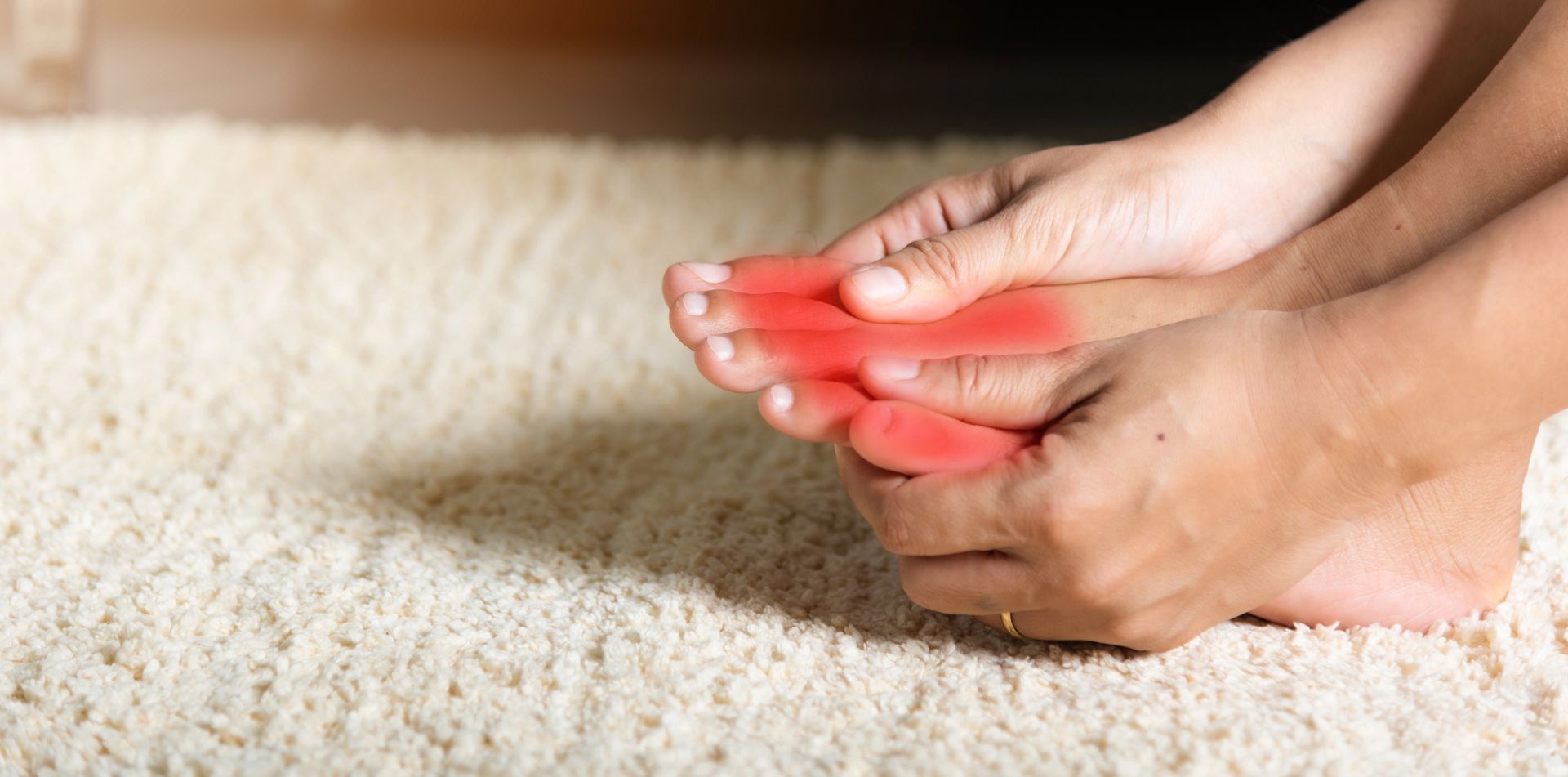
Few professional athletes provide a more interesting real-world example of complex foot pathology than Rafael Nadal. In 2005, at just 19 years old, Nadal sustained a foot injury and was subsequently diagnosed with the rare condition Müller-Weiss syndrome (MWS). Nadal has since described the condition as the origin of many of the injury problems he experienced throughout his career.
For physiotherapists, Nadal's experience offers an interesting case study in managing a chronic midfoot disorder while maintaining extremely high levels of athletic performance.

What is Müller-Weiss syndrome?
Müller-Weiss disease is a rare disorder affecting the
navicular bone, a key bone of the midfoot. It is characterised by collapse and fragmentation of the navicular, which can subsequently alter the biomechanics and alignment of the midfoot and hindfoot.
Do not confuse this condition with Köhler disease, which affects the navicular during childhood. Müller-Weiss disease generally presents in adulthood, although the underlying pathological process may originate much earlier in life.
The exact cause remains uncertain. Proposed mechanisms include abnormal navicular development, altered mechanical loading, vascular factors and environmental influences. Current literature suggests the condition is multifactorial rather than caused by a single factor.
Why is the Navicular Important?
The navicular plays an important role in the medial longitudinal arch and in transferring forces between the hindfoot and forefoot.
It forms articulations with the talus proximally and the cuneiform bones distally. Consequently, structural changes to the navicular can affect more than the bone itself.
As the navicular collapses, patients may develop:
- Midfoot pain
- Altered medial longitudinal arch morphology
- Talonavicular joint degeneration
- Naviculocuneiform degeneration
- Hindfoot varus
- Altered gait mechanics
- Reduced ability to tolerate prolonged weight-bearing
The combination of a flattened medial arch with hindfoot varus is a characteristic paradoxical pes planus-varus deformity.
For physiotherapists, this matters because you can't fully understand the clinical presentation by looking at one joint in isolation. Changes around the navicular can influence the mechanics of the entire foot and ankle complex
Rafael Nadal's Müller-Weiss Syndrome
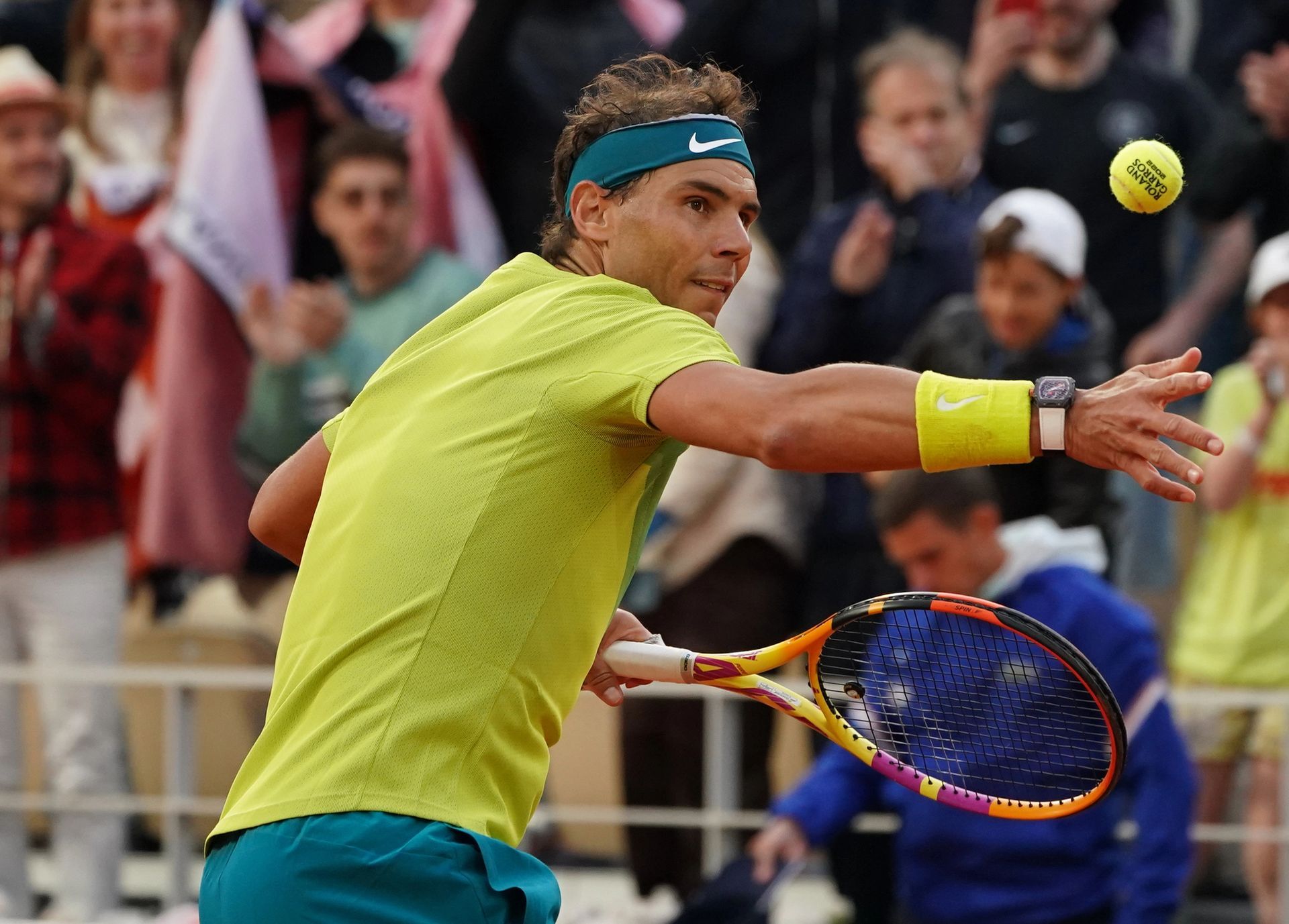
Nadal's diagnosis became particularly significant because of the demands placed on his feet by professional tennis.
In 2005, Nadal suffered a foot injury and was diagnosed with Müller-Weiss syndrome. According to Nadal's later account, he was told that continuing his professional career could be difficult. He subsequently used a specially adapted insole as part of his strategy for managing the condition.
This is an important example of how treatment does not always mean eliminating a structural abnormality.
Instead, the clinical objective can become:
How can we manage symptoms and mechanical loading sufficiently to allow the individual to continue meaningful activity?
That distinction is particularly relevant in elite sport.
Nadal's case should not, however, be interpreted as evidence that a particular treatment will work for every person with Müller-Weiss syndrome. His treatment formed part of a highly individualised medical and performance-management strategy.
Imaging
Imaging is particularly important because Müller-Weiss syndrome involves structural changes to the navicular.
Weight-bearing radiographs may demonstrate changes in navicular morphology and foot alignment. CT can provide detailed information regarding bony architecture, while MRI may be useful for evaluating bone marrow and associated soft-tissue pathology.
Radiological assessment may demonstrate:
- Navicular collapse
- Fragmentation
- Sclerosis
- Lateral wedging
- Talonavicular abnormalities
- Midfoot degeneration
Always interpret the radiographic appearance alongside the patient's clinical presentation.
Conservative Physiotherapy Management
Conservative management is usually the first-line approach for Müller-Weiss syndrome.
Current literature describes treatment strategies including mechanical offloading, orthoses, rehabilitation, activity modification and symptom management.
1. Load modification
Load management is arguably one of the most important considerations. For a recreationally active patient, this may involve temporarily reducing:
- Running
- Jumping
- Long-distance walking
- High-impact exercise
- Prolonged standing
For an elite tennis player, however, simply stopping activity may not be realistic.
This is where physiotherapy becomes more nuanced.
Rather than viewing rehabilitation as simply rest versus sport, the physiotherapist can manipulate:
Volume → Intensity → Frequency → Surface → Footwear → Recovery
This can allow an athlete to remain active while keeping symptoms within an acceptable range.
2. Orthoses and footwear
Orthotic management is an important component of conservative treatment.
The purpose is not necessarily to "correct" the foot permanently but to redistribute mechanical loading and reduce stress through painful joints.
For flexible deformities, an orthosis providing medial arch support and a lateral hindfoot wedge has been proposed. In more rigid deformities, an accommodative orthosis combined with a rocker-soled shoe may be more appropriate.
This connects well with Nadal's experience.
Nadal has publicly discussed using an insole to help him continue playing after his diagnosis.
From a physiotherapy perspective, this shows how an orthosis can become part of a broader load-management strategy rather than simply a passive device.
3. Strength and conditioning
High-quality research specifically examining physiotherapy exercise programmes for Müller-Weiss syndrome remains limited. Nevertheless, rehabilitation can address deficits identified during assessment.
Potential targets include:
Calf strength: The calf is central to propulsion and energy transfer during walking and running. Progressive calf strengthening can therefore form part of rehabilitation when tolerated.
Intrinsic foot strength: Foot intrinsic strengthening may be incorporated to improve muscular capacity and control around the foot. A 2025 case report described conservative management involving custom orthoses, motion-control footwear, physiotherapy-directed intrinsic foot strengthening and weight management, with substantial reduction in pain over a 10-month follow-up period. However, this was a single case report, so the findings cannot be generalised to all patients.
Proximal strength: Hip and knee strength should also be assessed where relevant. The aim is not to assume that weak proximal musculature causes Müller-Weiss syndrome, but to identify modifiable deficits that may influence an individual's overall movement strategy and physical capacity.
4. Achilles flexibility
An interesting consideration in Müller-Weiss syndrome is the Achilles tendon. Long-standing subtalar supination and altered foot mechanics may contribute to Achilles tightness.
The literature therefore identifies calf/Achilles stretching as one potential component of conservative management.
Again, this should be individualised.
A physiotherapist should not automatically prescribe aggressive stretching simply because a patient has Müller-Weiss syndrome. The intervention should be based on the individual's examination findings and symptom response.
Müller-Weiss Syndrome and Elite Sport
Nadal's case illustrates a particularly important concept in sports physiotherapy:
The presence of pathology does not automatically determine sporting capacity.
Elite athletes often have structural abnormalities that can be managed well enough to allow continued performance.
The challenge is to determine:
- What loads aggravate symptoms?
- What loads are tolerated?
- What mechanical strategies reduce symptoms?
- What level of training is sustainable?
- How can the athlete recover between exposures?
For a tennis player, the problem is especially complex because tennis involves repeated:
- Acceleration
- Deceleration
- Lateral movement
- Split steps
- Direction changes
- Jumping
- Rotational movements
- Repeated forefoot loading
Consequently, a rehabilitation programme needs to consider the specific demands of the sport, rather than simply testing whether the athlete can walk pain-free.
When conservative treatment isn't enough
Conservative management does not work for everyone.
The literature reports that some patients eventually require surgery because of persistent pain, deformity or degenerative changes. One retrospective study cited in a recent review found that factors such as significant midfoot abduction and talonavicular arthritis were associated with failure of conservative treatment.
Surgical options vary according to the severity and location of pathology and can include procedures involving:
- Talonavicular fusion
- Talonavicular-cuneiform fusion
- Calcaneal osteotomy
- Other reconstructive or fusion procedures
The objective is generally to address painful degenerative joints and/or correct significant deformity.
Physiotherapy therefore has an important role both before and after surgery, although postoperative rehabilitation must follow the specific surgical procedure and surgeon's restrictions.
What Can Physiotherapists Learn From Rafael Nadal?
Nadal's experience provides several useful lessons.
1. Structural pathology does not tell the whole story
The radiograph is important, but pain, function, workload and the athlete's goals are equally relevant.
2. Offloading can be powerful
An appropriate orthosis or footwear modification may alter mechanical loading sufficiently to improve function.
3. Rehabilitation needs to be individualised
The appropriate programme for a recreational walker will be very different from that of a professional tennis player.
4. Long-term management matters
Müller-Weiss syndrome can be a chronic condition. Successful management may therefore involve ongoing monitoring rather than a short course of physiotherapy.
5. The goal is often function rather than structural normalisation
Physiotherapists cannot necessarily reverse established navicular collapse. Instead, rehabilitation aims to improve symptoms, physical capacity, movement strategies and quality of life.
Final Thoughts
Müller-Weiss syndrome is a rare and complex condition that presents a significant challenge for clinicians because of its effects on the navicular and wider foot biomechanics.
Rafael Nadal's experience offers a compelling example of managing the condition under the extreme demands of professional sport. His use of an insole and his subsequent ability to continue competing demonstrate the potential importance of mechanical offloading, individualised rehabilitation and long-term load management, although his experience should not be treated as a universal treatment model.
For physiotherapists, the key message is that management should be
patient-centred, load-specific and multidisciplinary. A combination of appropriate footwear, orthotic management, activity modification, progressive strengthening and symptom-guided rehabilitation may help patients maintain function, while those with persistent symptoms or advanced structural disease may require specialist foot and ankle assessment.
When Is Too Much Sport Too Much? The Risks of High Training Loads in Skeletally Immature Adolescents