
Freiberg’s Disease: A Physiotherapy Guide to Assessment and Management
Freiberg’s disease is an uncommon condition affecting the metatarsal head, most frequently the second metatarsal. It is characterised by osteonecrosis and subsequent structural changes within the metatarsal head, which can progress to flattening, collapse and degenerative changes at the metatarsophalangeal (MTP) joint. Although relatively uncommon, it is an important differential diagnosis in patients presenting with persistent forefoot pain, particularly adolescents and young adults. (Carter, Chambers and Dreyer, 2023).
For physiotherapists, understanding the condition is important because early recognition, appropriate load modification and multidisciplinary management may help reduce symptoms and protect the affected joint.
What is Freiberg’s Disease?
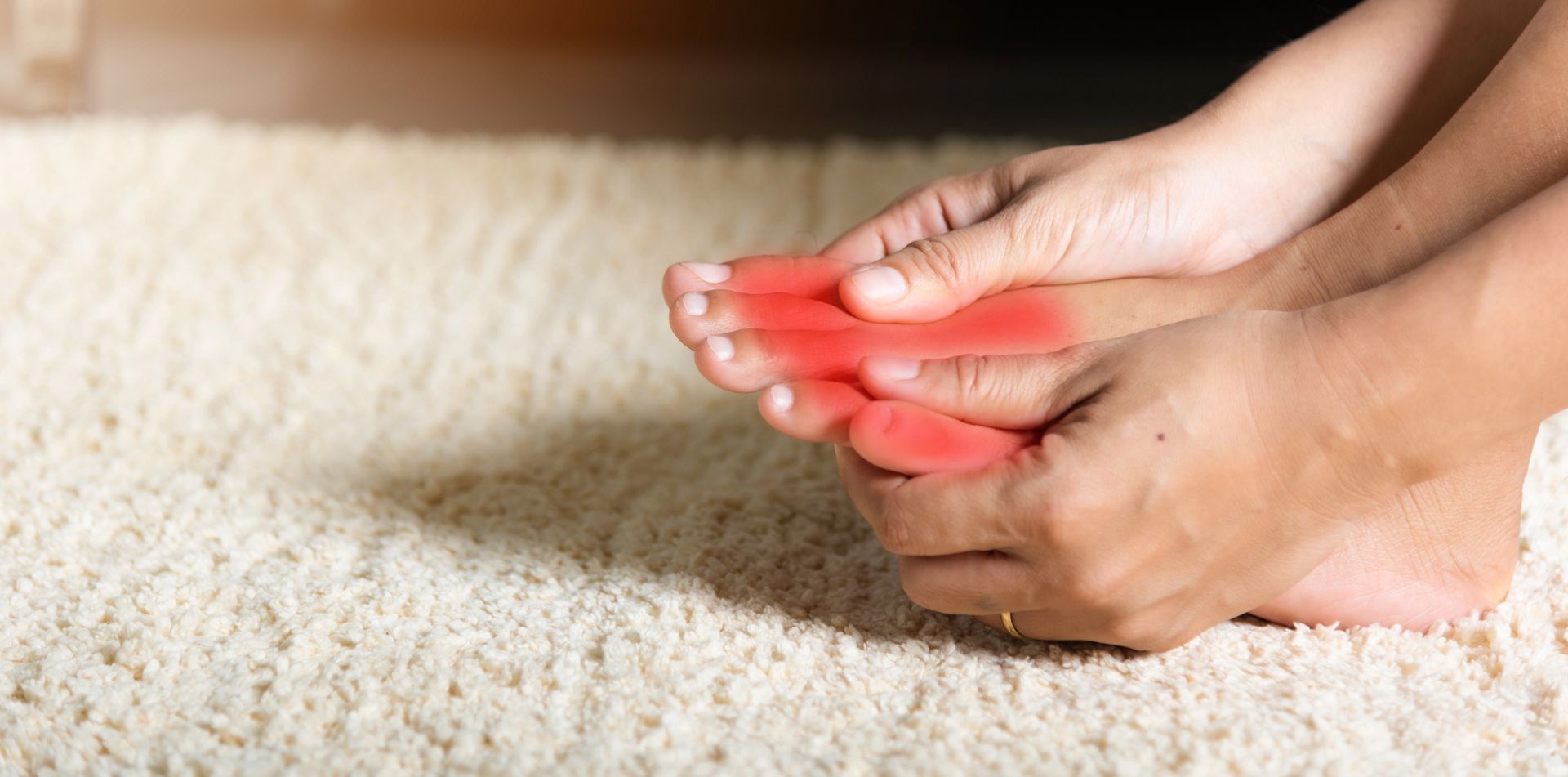
Freiberg’s disease, sometimes referred to as Freiberg’s infraction, is an osteochondrosis/osteonecrotic disorder of the metatarsal head. The second metatarsal is most commonly affected, although the third and other lesser metatarsals can also be involved. It typically presents during adolescence or early adulthood and is reported more frequently in females. (Carter, Chambers and Dreyer, 2023).
The precise cause remains uncertain. Proposed contributing factors include repetitive mechanical stress, altered foot biomechanics, vascular compromise and trauma. Rather than being attributable to one isolated mechanism, current literature suggests that Freiberg’s disease is likely multifactorial. (Kachooei et al., 2023).
Repetitive loading through the forefoot may be particularly relevant in activities involving running, jumping, dancing or repeated push-off. However, repetitive activity should not automatically be considered the sole cause.
Signs and Symptoms of
Freiberg’s Disease
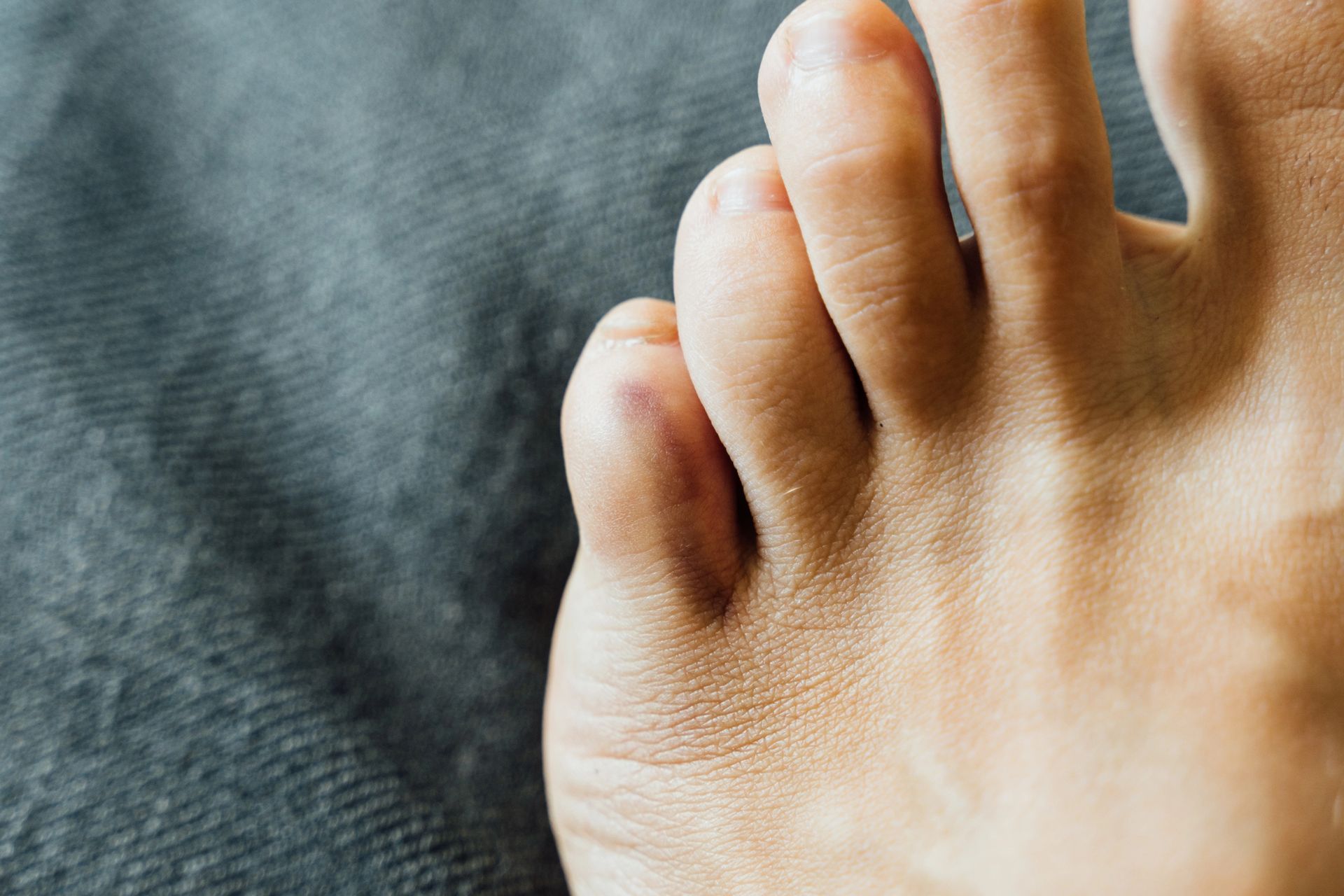
Patients commonly report gradually developing pain around the affected metatarsal head. Pain is often aggravated by weight-bearing and activities involving forefoot loading or toe-off.
Common clinical features include:
- Localised forefoot pain around the affected metatarsal head
- Swelling or tenderness
- Pain during walking or running
- Pain during the push-off phase of gait
- Reduced MTP joint range of motion
- Pain with passive MTP joint movement
- Difficulty tolerating barefoot walking
- A sensation that there is a “stone” underneath the forefoot
The presentation can resemble other causes of metatarsalgia, making clinical examination and appropriate imaging important. Radiographs can demonstrate changes such as sclerosis, widening and flattening of the metatarsal head, while MRI may demonstrate bone marrow oedema and earlier pathological changes. (Carter, Chambers and Dreyer, 2023; Connors and Mandell, 2025).
The Importance of Staging
One commonly used classification system is the Smillie classification, which describes progressive structural changes within the metatarsal head.
Broadly:
- Stage I: Early changes, potentially with a fissure or fracture of the subchondral bone.
- Stage II: Absorption of cancellous bone and depression of the articular surface.
- Stage III: Progressive collapse and sinking of the articular surface.
- Stage IV: More advanced collapse with peripheral changes and disruption of the articular surface.
- Stage V: Established deformity and degenerative arthrosis.
(Kachooei et al., 2023).
Staging matters because early disease is generally more amenable to conservative management, whereas advanced structural changes may require orthopaedic assessment and potentially surgery
Conservative Management
Conservative treatment is generally considered first-line, particularly during the earlier stages of Freiberg’s disease. The primary objectives are to reduce symptoms, decrease excessive loading of the affected metatarsal head and allow the condition to settle (Schade, 2015; Kachooei et al., 2023).
1. Activity modification
Reducing activities that substantially increase forefoot loading can be useful during the symptomatic phase.
This does not necessarily mean completely stopping activity. Instead, physiotherapists can help patients identify activities they can temporarily modify while maintaining general conditioning.
For example, a runner may temporarily reduce running volume and substitute activities that produce less forefoot loading.
The goal is to balance protecting the affected joint with maintaining physical activity.
2. Offloading
Reducing mechanical stress across the affected metatarsal head is a central component of conservative management.
Depending on severity, this may involve:
- Temporary reduction in weight-bearing activity
- Footwear modification
- Orthoses
- Metatarsal pads or bars
- Rocker-soled footwear
- Temporary immobilisation in more symptomatic presentations
Evidence and clinical guidance consistently describe unloading and pressure reduction as important components of conservative treatment (Carmont, Rees and Blundell, 2009; Schade, 2015).
However, orthotic management should be individualised. Evidence specifically investigating conservative treatment of Freiberg’s disease remains limited, with some of the literature consisting of case reports rather than high-quality clinical trials (Longworth, Short and Horwood, 2019).
3. Footwear
Footwear can significantly affect forefoot loading.
Patients may benefit from footwear with:
- Adequate toe-box space
- A relatively low heel
- Appropriate cushioning
- A rocker sole where indicated
- Appropriate stiffness to reduce painful MTP motion
High-heeled footwear can increase forefoot loading and may aggravate symptoms. (Connors and Mandell, 2025).
4. Exercise therapy
Introduce exercise based on symptom irritability and disease stage rather than a generic foot rehabilitation programme.
Potential areas to address include:
- Calf strength and capacity: Improving lower-limb strength may help the patient gradually return to functional loading.
- Intrinsic foot muscle function: Incorporate appropriately dosed foot-strengthening exercises where tolerated.
- Ankle and lower-limb strength: Strengthening the calf, ankle and proximal lower limb may be useful when deficits are identified during assessment.
- Mobility: Assess MTP mobility carefully. Where movement is painful, aggressive mobilisation may be inappropriate during the more irritable stages.
The key principle is that exercise should complement, rather than undermine, the unloading strategy.
Gait and Load Management
Gait retraining may have a role in rehabilitation, particularly when the patient's walking pattern increases symptoms.
A physiotherapist can assess:
- Step length
- Cadence
- Push-off
- Forefoot loading
- Foot progression angle
- Walking speed
- Running mechanics where appropriate
The objective is not necessarily to prescribe a single “correct” gait pattern. Instead, gait modification can be used as a symptom-management strategy when a particular movement or loading pattern is clearly associated with the patient's symptoms.
After treatment for Freiberg’s disease, rehabilitation may also include MTP range-of-motion and walking retraining as weight-bearing is progressively restored (Carter, Chambers and Dreyer, 2023).
When Should a Patient Be Referred?
Persistent or unexplained forefoot pain should not simply be treated as routine metatarsalgia.
Referral for medical assessment and imaging should be considered when:
- Symptoms persist despite appropriate load modification
- There is significant focal bony tenderness
- Pain is progressively worsening
- There is substantial loss of MTP movement
- The patient is unable to weight-bear normally
- There is concern about stress injury or osteonecrosis
- Symptoms are disproportionate to the apparent injury
- Conservative management fails to produce meaningful improvement
Radiographs are commonly used to assess structural changes, while MRI can provide additional information, particularly where early disease is suspected. (Connors and Mandell, 2025).
Physiotherapy Following Surgery
Physiotherapy following surgery will depend on the specific procedure and the surgeon's postoperative protocol.
Rehabilitation may involve:
- Protection of the surgical site
- Appropriate progression of weight-bearing
- Restoration of MTP range of movement
- Gradual strengthening
- Gait retraining
- Proprioceptive and balance exercises
- Progressive return to impact activity
- Sport-specific rehabilitation where appropriate
The postoperative programme should therefore be individualised rather than based on a single generic Freiberg's disease protocol.
Key Takeaways for Physiotherapists
Freiberg’s disease is an important but relatively uncommon cause of forefoot pain. It most frequently affects the second metatarsal head and may progress from relatively subtle early pathology to metatarsal head collapse and MTP joint degeneration.
For physiotherapists, the key principles are:
- Recognise it. Persistent focal forefoot pain, particularly around the second metatarsal head, warrants consideration of Freiberg’s disease.
- Reduce excessive loading. Activity modification, footwear and orthotic strategies can help reduce stress through the affected region.
- Individualise rehabilitation. Exercise, mobility and gait interventions should reflect disease stage and symptom irritability.
- Work within a multidisciplinary team. Imaging and orthopaedic/podiatric assessment may be required to establish the diagnosis and determine the appropriate treatment pathway.
- Remember that evidence is limited. Conservative treatment is widely recommended, particularly for early-stage disease, but high-quality research specifically examining physiotherapy interventions remains relatively sparse. Much of the available literature consists of retrospective studies, case series and expert recommendations.
Ultimately, successful rehabilitation involves managing load while maintaining as much appropriate activity and function as possible.
When Is Too Much Sport Too Much? The Risks of High Training Loads in Skeletally Immature Adolescents