When Is Too Much Sport Too Much? The Risks of High Training Loads in Skeletally Immature Adolescents
Sport and physical activity are an important part of a young person's physical, psychological and social development. However, more sport is not necessarily better, particularly when an adolescent is still growing.
During adolescence, the body undergoes substantial changes in bone length, muscle mass, tendon capacity, coordination, and hormonal function. These changes do not occur simultaneously, meaning that an adolescent's capacity to tolerate training can change considerably throughout the growth spurt.
For physiotherapists, coaches and parents, the challenge is therefore not to discourage young people from participating in sport, but to ensure training loads match the individual's biological maturity, recovery capacity and stage of development.
The International Olympic Committee (IOC) highlights that adolescents are particularly susceptible to growth-related and overuse injuries around the period of peak height velocity, when rapid skeletal growth occurs.
Why is the Growing Athlete Different?
An adolescent is not simply a smaller adult.
During the adolescent growth spurt, bones can lengthen relatively quickly while muscles, tendons and neuromuscular control adapt at different rates. This creates periods in which the musculoskeletal system may be particularly vulnerable to repetitive loading.
Growth plates, or physes, are areas of developing cartilage located near the ends of long bones. They contribute to longitudinal bone growth and are therefore particularly important in a skeletally immature athlete.
The developing skeleton also contains areas where tendons attach to bone known as apophyses. These sites can become painful when repetitive traction loads exceed the capacity of the developing tissue.
Consequently, high volumes of repetitive sport can contribute to conditions such as:
- Osgood-Schlatter disease
- Sever's disease
- Apophysitis
- Stress reactions and stress fractures
- Physeal injuries
- Osteochondral injuries
- Spondylolysis
- Tendinopathy
- Muscle strains
The IOC notes that growth-related and overuse injuries can peak around peak height velocity and that rapid changes in growth tempo can further increase injury risk.
The Problem With "More is Better"
One of the biggest challenges in youth sport is the gradual increase in training volume.
A young athlete may progress from:
Training → competing → additional training → private coaching → strength and conditioning → tournaments → school sport
without necessarily having sufficient recovery between sessions.
The issue is not simply the number of hours spent exercising. Intensity, frequency, duration, type of activity and recovery all interact.
The IOC describes excessive training and competition loads combined with insufficient rest as important contributors to overuse injuries and other health problems in young athletes.
This becomes particularly relevant when training continues at a high level while the athlete is experiencing rapid physical growth.
Growth Plates and Injury
The growth plate is mechanically different from mature bone.
Because it is composed of cartilage and is actively involved in growth, excessive loading or direct trauma can potentially cause injury.
A growth-plate injury is clinically important because, although many heal uneventfully, some injuries can affect subsequent bone growth.
This is one reason why persistent, focal pain in a young athlete should not simply be dismissed as "growing pains".
The IOC specifically identifies injuries involving growth-related structures as an important concern in youth sport because of their potential consequences for growth and development.
A Useful Clinical Rule
Persistent focal pain in a young athlete deserves assessment. In particular, pain that:
- persists during or after exercise
- progressively worsens
- causes a change in technique or gait
- is present at rest or at night
- produces swelling
- limits sporting performance
- does not settle with appropriate rest
should prompt further assessment.
Overuse Injuries
Unlike an acute injury, an overuse injury often develops gradually.
There may be no single moment when the athlete can say, "That's when I injured myself."
Instead, repetitive loading accumulates over time.
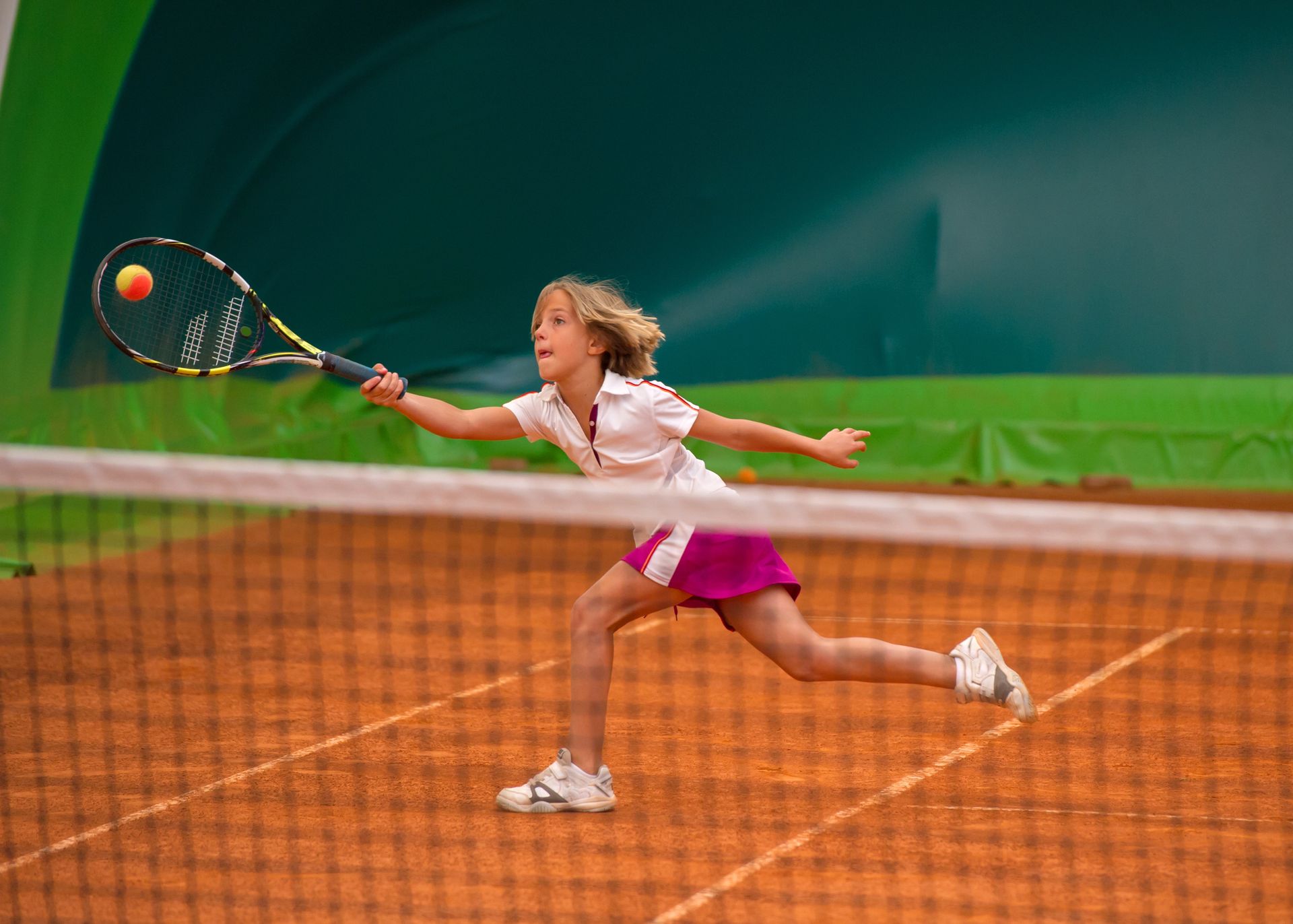
This is particularly relevant to young athletes participating in repetitive sports such as:
- Running
- Tennis
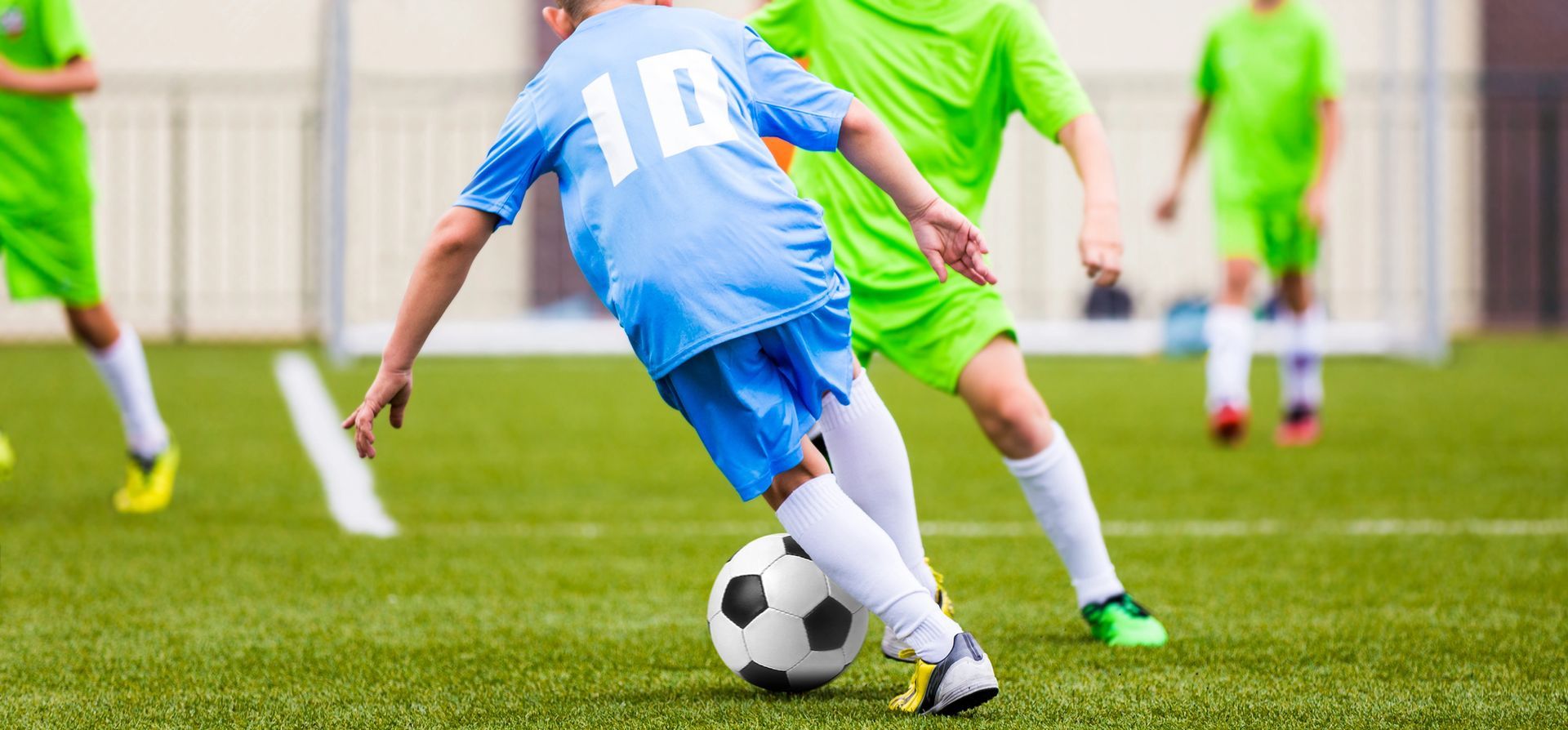
- Football
- Gymnastics
- Athletics
- Dance
- Basketball
- Swimming
- Throwing sports
The IOC reports that overuse injuries are common in youth sport and that risk can increase with excessive exposure, high training volumes and insufficient recovery.
A systematic review and meta-analysis of athletes aged 18 and under also found an association between higher levels of sport specialisation and overuse musculoskeletal injury. Athletes with high specialisation had a pooled relative risk of 1.81 compared with those with low specialisation in the included studies.
Importantly, specialisation is not the only issue. High training loads within any sport can be problematic if they exceed the athlete's capacity to recover and adapt.
The Adolescent Growth Spurt
One of the most important considerations for physiotherapists is peak height velocity (PHV) - the period when an adolescent experiences their fastest rate of growth.
The timing varies substantially between individuals.
Two athletes of the same chronological age can therefore be at very different stages of biological maturation.
One may have completed their major growth spurt, while another may be approaching peak height velocity.
This matters because biological maturation, not chronological age alone, influences injury risk.
The IOC reports that injury patterns change throughout maturation and that growth-related and overuse injuries are particularly relevant around peak height velocity.
Why does this matter?
Imagine two 14-year-old footballers. One has relatively stable growth and has already passed peak height velocity. The other has recently grown 8 cm and is experiencing rapid changes in body proportions.
Giving both athletes exactly the same training programme may not provide the same physical stimulus.
Individualisation is therefore essential.
Performance Can Temporarily Decline
Another important consideration is that an adolescent's performance may fluctuate during periods of rapid growth.
Changes in limb length, body proportions, strength and coordination can temporarily affect:
- Running mechanics
- Balance
- Agility
- Jumping
- Sprinting
- Coordination
- Technical skills
The IOC emphasises that growth and maturation influence athletic performance and that these processes occur asynchronously.
A temporary reduction in performance does not necessarily mean the athlete needs more training.
Sometimes the appropriate response is better recovery and more time to adapt.
Specialisation and Year-Round Sport
Early specialisation is an increasingly common feature of youth sport.
An adolescent may participate in the same sport year-round, with little opportunity for variation.
The American Academy of Paediatrics warns that intensive training and early specialisation can increase the risk of overuse injury, overtraining and burnout.
The IOC similarly recommends diversity and variability in athletic exposure during youth development, along with sufficient rest and recovery.
This does not mean that every young athlete must participate in multiple sports. Rather, it highlights the importance of varying movement exposure and avoiding excessive repetitive loading of the same tissues throughout the year.
Rest is Part of Training
Rest is sometimes viewed as "doing nothing".
For a developing athlete, this is the wrong way to think about it.
Training provides a stimulus.
Recovery allows adaptation to occur.
Without adequate recovery, the athlete may accumulate fatigue faster than they can adapt.
Warning signs can include:
- Persistent tiredness
- Reduced performance
- Poor sleep
- Irritability
- Reduced motivation
- Recurrent illness
- Persistent muscle soreness
- Recurrent injuries
- Increasing pain
- Loss of enjoyment
The IOC identifies excessive training and competition loads combined with insufficient recovery as a significant threat to youth athlete health and performance.
The Importance of Nutrition and Energy Availability
One of the most important — and sometimes overlooked — risks of high training volumes in adolescents is low energy availability.
Young athletes require energy not only for exercise but also for:
Growth + development + normal physiological function + everyday activity + sport.
If energy intake consistently fails to meet these demands, the athlete may develop Relative Energy Deficiency in Sport (RED-S).
RED-S can affect multiple physiological systems, including bone health, metabolic function, immunity, cardiovascular health and reproductive function.
This is particularly concerning for adolescents because their bodies are still developing.
Low energy availability has been associated with impaired growth and delayed pubertal development in young athletes.
Potential warning signs include:
- Unexplained weight loss
- Recurrent bone stress injuries
- Persistent fatigue
- Declining performance
- Recurrent illness
- Changes in menstrual function
- Delayed growth or puberty
- Increased psychological distress
RED-S can affect male and female athletes, and it should not be considered solely a female-athlete problem.
Bone Health During Adolescence
Adolescence represents an important period for developing bone mass.
High-impact physical activity can provide beneficial mechanical stimulus to bone, but excessive loading combined with inadequate recovery or inadequate energy availability can increase the risk of bone stress injury.
This creates an important distinction:
Exercise benefits bone development; excessive or poorly supported exercise can become harmful.
Therefore, the goal should not be to reduce all impact activity but to provide
appropriate, progressive loading alongside adequate nutrition and recovery.
What About Strength Training?
Strength training is sometimes incorrectly viewed as dangerous for children and adolescents.
When appropriately supervised, age-appropriate resistance training can be a useful component of youth athletic development.
The issue is not simply whether a young person lifts weights.
Instead, physiotherapists and coaches should consider:
- Technique
- Exercise selection
- Training volume
- Intensity
- Progression
- Supervision
- Biological maturity
- Existing injuries
- Recovery
The IOC recommends varied strength and conditioning programmes that are age appropriate, technically well supervised, safe and enjoyable.
The Psychological Cost of Excessive Sport
The risks of excessive training are not exclusively physical.
Young athletes can experience considerable pressure from:
- Coaches
- Parents
- Teammates
- Selection systems
- Social media
- Competition
- Scholarship or professional aspirations
- Their own expectations
When sport becomes predominantly performance-focused, the athlete may begin to associate self-worth with sporting achievement.
The IOC has identified burnout, poorer mental health and reduced quality of life among potential consequences associated with poorly managed youth sport participation and overuse injury.
For physiotherapists, this means asking questions beyond:
"Where does it hurt?"
It can also be valuable to ask:
"How are you coping with your training?"
and:
"Do you still enjoy your sport?"
What Can Physiotherapists Do?
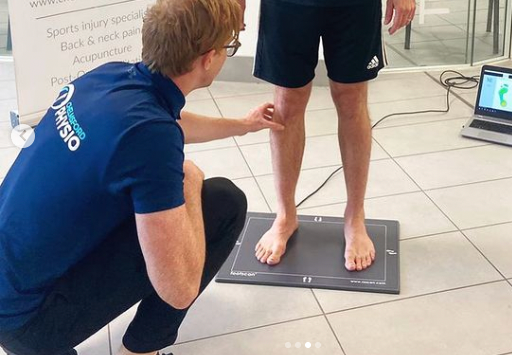
Physiotherapists can play an important role in preventing excessive training loads from becoming injuries.
1. Monitor symptoms
Pain should not automatically be interpreted as something the athlete needs to "push through".
Investigate persistent or progressively worsening pain.
2. Monitor training load
Consider:
- Number of sessions
- Session duration
- Intensity
- Competition frequency
- Sudden changes in workload
- Additional training outside the club
- School sport
- Strength and conditioning
- Travel and tournaments
3. Consider biological maturity
Chronological age alone does not tell us how an athlete is adapting to training.
Growth rate and maturation should form part of the clinical picture.
4. Encourage recovery
Recovery should include adequate:
- Sleep
- Nutrition
- Hydration
- Rest days
- Psychological recovery
5. Avoid training through significant pain
The IOC recommends that young athletes not train or compete in ways that load an injured area and interfere with recovery.
6. Educate parents and coaches
Parents and coaches are often key decision-makers in youth sport.
Education about growth, recovery and injury warning signs can therefore be just as important as the rehabilitation programme itself.
A Practical Checklist for Parents and Coaches
Before increasing an adolescent's training load, consider:
- Has their workload recently increased?
- Are they currently experiencing pain?
- Have they recently experienced a rapid growth spurt?
- Are they getting enough sleep?
- Are they eating enough to support growth and training?
- Do they have adequate rest days?
- Are they playing the same sport all year?
- Are they enjoying their sport?
- Has their performance unexpectedly declined?
If several answers raise concerns, it may be appropriate to review the athlete's training programme with a physiotherapist, sports physician, GP or appropriately qualified healthcare professional.
The Key Message
Sport is overwhelmingly beneficial for young people — but training must match the developing athlete.
A skeletally immature adolescent has different physiological and mechanical considerations from an adult athlete. During periods of rapid growth, the risk of growth-related and overuse injuries can increase, particularly when training and competition loads are high, and recovery is inadequate.
The answer is not necessarily less sport.
It is better-managed sport.
A successful youth athlete development programme should allow the young person to:
Train → recover → adapt → develop → perform → enjoy their sport.
The ultimate objective should not simply be maximising performance at 14, 15 or 16 years old. It should be developing a healthy athlete who can continue participating in sport throughout adolescence and into adulthood.