Why We Use VALD ForceDecks in Rehabilitation: Objective Data for Better Patient Outcomes
In modern physiotherapy, clinical expertise remains fundamental, but technology is transforming how we assess, monitor and guide rehabilitation. One of the most valuable innovations is the use of force plate technology, and at our clinic we utilise the VALD ForceDecks to provide objective, reliable data throughout a patient’s rehabilitation journey.
Rather than relying solely on observation or subjective feedback, ForceDecks enable us to accurately measure how your body produces and absorbs force. This allows us to identify movement deficits that may not be visible to the naked eye, track progress over time, and make evidence-based decisions regarding exercise progression and return to activity.
What are VALD ForceDecks?
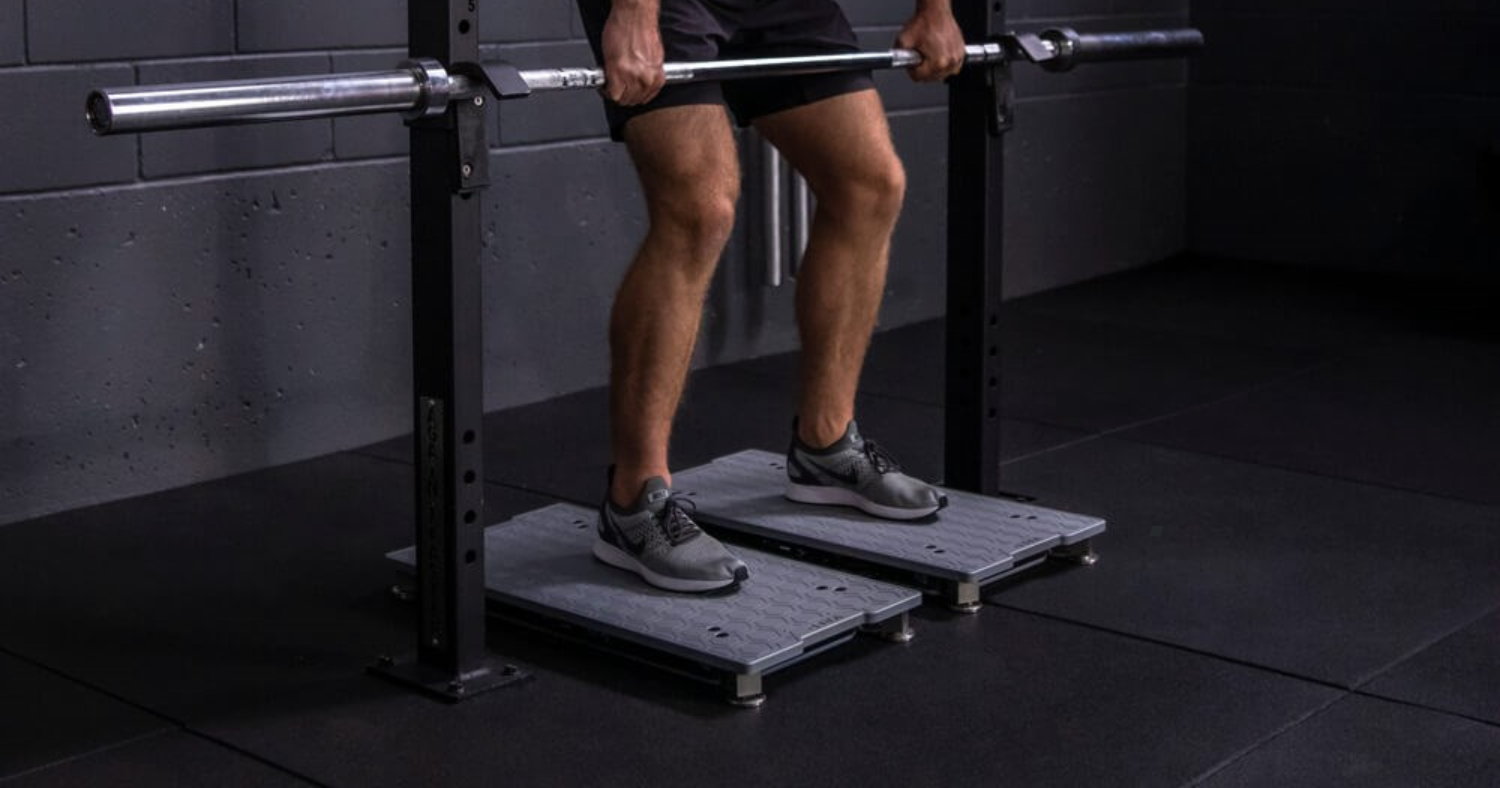
VALD ForceDecks are dual force plates that measure the forces generated through the feet during a wide variety of movements. Using highly sensitive load cells, they capture detailed information about strength, balance, power, asymmetries and movement strategies.
Common assessments include:
- Countermovement jumps
- Squat assessments
- Single-leg balance testing
- Sit-to-stand testing
- Isometric strength testing
- Landing mechanics
- Hop testing for return-to-sport decisions
Within seconds, the software analyses hundreds of metrics that provide clinicians with objective insight into a patient’s physical performance.
Why Objective Assessment Matters
Traditional physiotherapy assessments rely on observation, manual muscle testing and patient-reported symptoms. Whilst these remain valuable, they can miss subtle deficits that increase the risk of delayed recovery or re-injury.
ForceDecks allow physiotherapists to quantify movement rather than estimate it.
For example, following an ACL reconstruction, a patient may appear to squat evenly. However, ForceDecks often reveal significant offloading of the surgical limb, reduced eccentric control or delayed force production. These hidden compensations can then become specific treatment targets.
Objective measurements also improve communication between clinician and patient. Seeing measurable improvements in strength or symmetry provides reassurance that rehabilitation is progressing, even when symptoms fluctuate.
Monitoring Progress with Precision
One of the greatest benefits of ForceDecks is the ability to track rehabilitation over time.
Instead of simply asking whether someone feels stronger, we can measure improvements in:
- Peak force production
- Limb symmetry
- Rate of force development
- Jump height
- Landing forces
- Balance performance
- Weight distribution
This enables rehabilitation programmes to be progressed based on measurable performance rather than arbitrary timelines.
Improving Return-to-Sport Decisions
Returning to sport too early remains one of the biggest risk factors for re-injury.
Research has consistently demonstrated that persistent strength deficits and movement asymmetries can remain long after pain has resolved. ForceDecks help clinicians identify these deficits before an athlete returns to competition.
Objective testing can assist with:
- Assessing readiness to return to running
- Evaluating landing mechanics
- Measuring explosive power
- Identifying left-right asymmetries
- Monitoring fatigue
- Reducing the risk of subsequent injury
Rather than relying on a single test, ForceDecks contribute to a comprehensive return-to-performance assessment that combines physical capacity with clinical reasoning.
This is paragraph text. Click it or hit the Manage Text button to change the font, color, size, format, and more. To set up site-wide paragraph and title styles, go to Site Theme.