Are You Ready for the Season Ahead? How Physiotherapy Can Help Footballers and Rugby Players Perform at Their Best
As pre-season gets underway, players across all levels of football and rugby are preparing for the demands of a long and physically challenging season. Whether you’re returning after a well-earned break, recovering from injury, or aiming to improve your performance, the weeks before competition begin are some of the most important in your sporting calendar.
Many athletes focus solely on fitness and technical training during pre-season. However, ensuring your body is physically prepared is just as important. A comprehensive physiotherapy assessment can identify weaknesses, movement restrictions and performance deficits before they become injuries, allowing you to enter the season stronger, faster and more resilient.
Why Pre-Season Preparation Matters
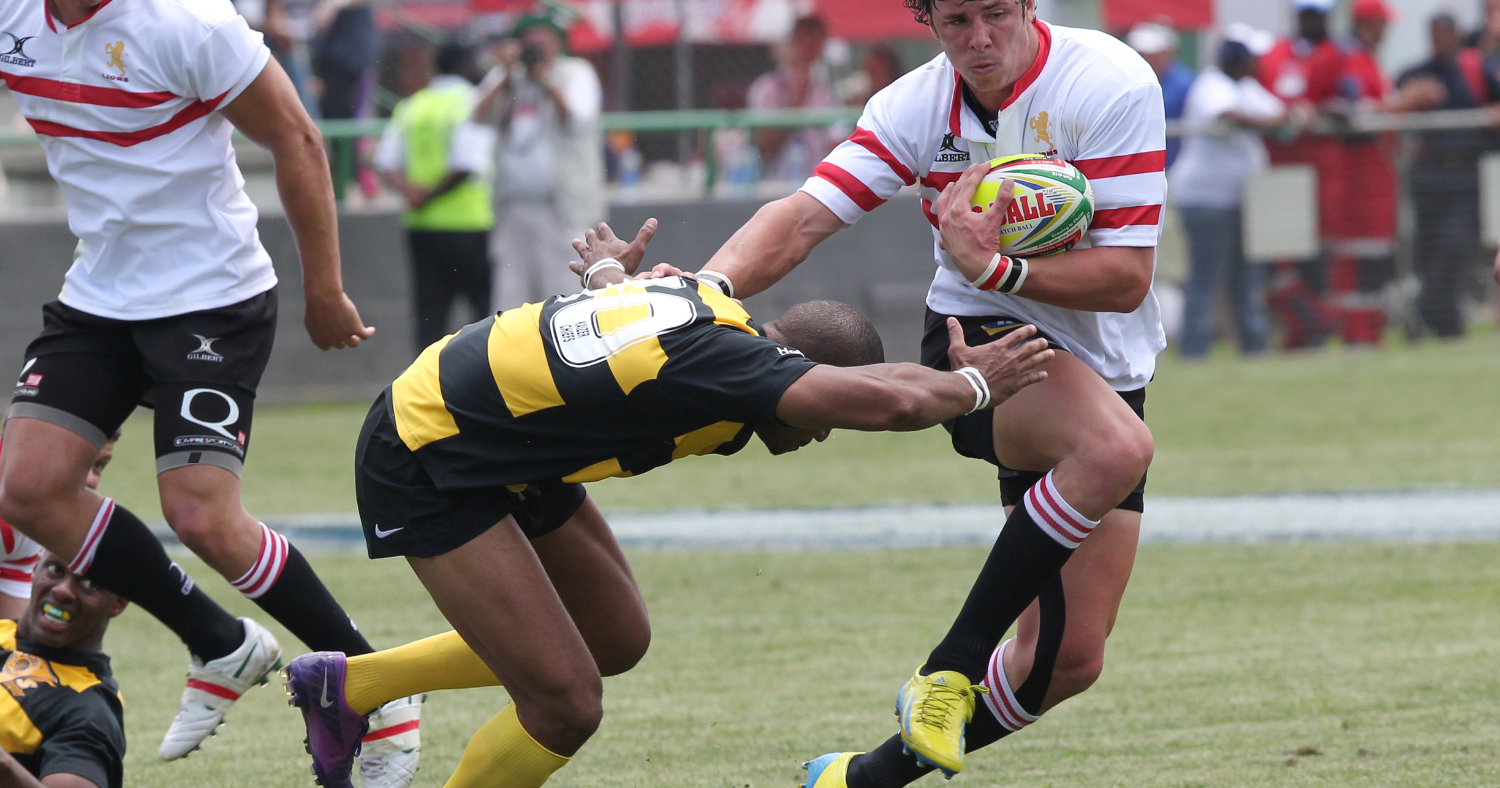
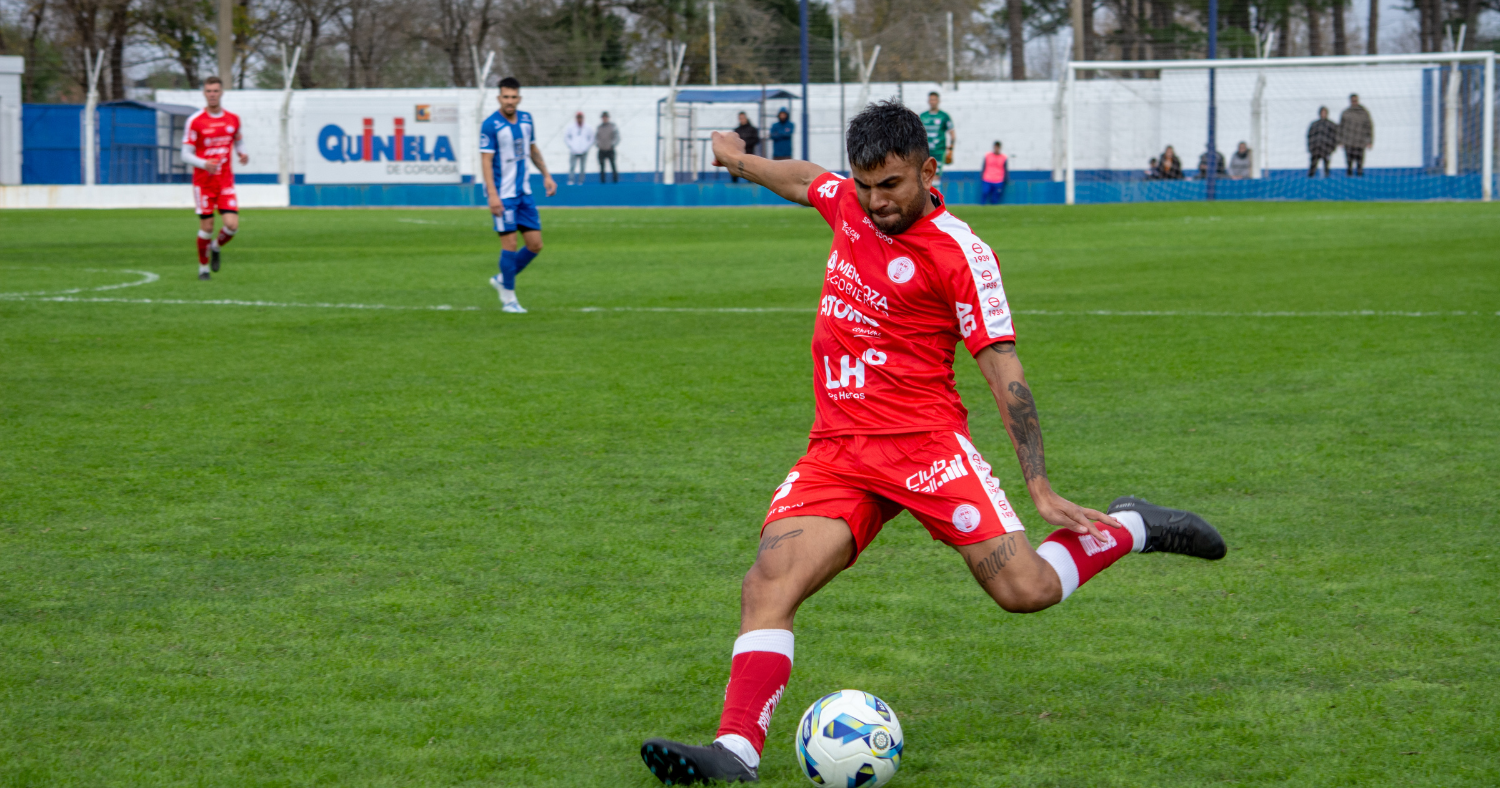
Football and rugby place significant demands on the body. Players are required to accelerate, decelerate, sprint, change direction, jump, land, tackle and absorb contact repeatedly throughout a match.
Following the off-season, reductions in strength, power, aerobic fitness and neuromuscular control can increase the likelihood of injury if training loads increase too quickly (Gabbett, 2016). Common injuries seen during the early part of the season include:
- Hamstring strains
- Calf injuries
- Groin pain
- Ankle sprains
- Knee ligament injuries
- Quadriceps strains
- Shoulder injuries (particularly in rugby)
Preparing your body before the competitive season begins can significantly reduce these risks.
The Importance of Strength
Strength is the foundation of athletic performance.
Greater lower-limb strength improves sprinting, jumping, tackling ability, kicking power and resilience against injury. Research consistently demonstrates that stronger athletes are generally less susceptible to soft tissue injuries and recover more effectively from the demands of training and competition (Suchomel, Nimphius and Stone, 2016).
A physiotherapy assessment can identify deficits in:
- Single-leg strength
- Hip stability
- Quadriceps strength
- Hamstring capacity
- Calf endurance
- Core control
Addressing these deficits before the season starts helps improve both performance and durability.
Mobility: Move Well Before You Move Fast
Limited mobility can alter movement patterns and place excessive stress on joints and muscles.
Restricted hip mobility, ankle stiffness or thoracic spine limitations may contribute to compensatory movement strategies during sprinting, cutting and tackling.
Improving mobility where appropriate allows athletes to move more efficiently while maintaining strength and control throughout full ranges of movement.
Power and Explosiveness
Football and rugby are explosive sports.
Winning a sprint, jumping for a header, breaking through a tackle or reacting first to a loose ball all depend on an athlete’s ability to generate force quickly.
Power training combines strength with speed and should form a key component of any pre-season programme. Assessments such as jump testing can provide valuable insight into lower-limb power, asymmetries and readiness for high-intensity competition.
Injury Screening Isn’t About Predicting Injuries
No assessment can accurately predict whether an athlete will sustain an injury.
However, screening can identify modifiable risk factors that are associated with increased injury risk.
These may include:
- Reduced strength
- Poor landing mechanics
- Significant left-right asymmetries
- Balance deficits
- Reduced force production
- Previous injury-related compensations
Once identified, these factors can be targeted within an individualised rehabilitation or performance programme.
Recovering from Last Season’s Injuries
One of the biggest mistakes athletes make is assuming that because pain has settled, rehabilitation is complete.
Many players return to training with lingering strength deficits or altered movement patterns that increase the likelihood of recurrence.
Evidence suggests that athletes who fail to restore adequate strength and function before returning to sport are at greater risk of sustaining another injury (Buckthorpe, 2020).
Pre-season provides the ideal opportunity to fully address previous injuries before competitive fixtures begin.
The Role of Sports Physiotherapy
Sports physiotherapy is about much more than treating injuries.
A pre-season assessment may include:
- Movement analysis
- Joint mobility assessment
- Strength testing
- Balance assessment
- Sprint mechanics
- Jump and landing assessment
- Flexibility testing
- Load management advice
- Individual exercise prescription
These findings help build a personalised programme that supports both performance enhancement and injury reduction.
Recovery Matters Too
Training adaptations occur during recovery, not during the training session itself.
Players should prioritise:
- High-quality sleep
- Adequate protein intake
- Hydration
- Appropriate carbohydrate intake around training
- Active recovery
- Managing cumulative training loads
Ignoring recovery can reduce performance and increase injury risk, particularly during demanding pre-season schedules.
Are You Really Ready?
Ask yourself:
- Are both legs equally strong?
- Can you sprint, jump and change direction confidently?
- Have you fully recovered from last season’s injuries?
- Is your body coping with increased training loads?
- Do you have the strength and power to perform at your best?
If the answer to any of these questions is “I’m not sure,” now is the perfect time to seek professional advice.
Final Thoughts
Pre-season isn’t simply about getting fit—it’s about preparing your body for the physical demands of the months ahead.
Investing time in physiotherapy assessment, strength development, mobility work and injury rehabilitation can improve performance, reduce injury risk and help you stay available for your team throughout the season.
Whether you’re an academy player, weekend footballer, semi-professional rugby player or competing at the highest level, entering the season physically prepared gives you the best chance of performing consistently when it matters most.
Are you ready for the season ahead? Book your pre-season physiotherapy assessment today and give yourself the best possible start to the new campaign.