The Future of Knee Pain Relief: Is Arthrosamid the Answer to Long-Term Mobility?
For those living with the persistent ache of knee osteoarthritis, the treatment journey often follows a familiar path: anti-inflammatories, physiotherapy, and perhaps a series of steroid or lubricant injections. While these can help, the relief is often frustratingly temporary.
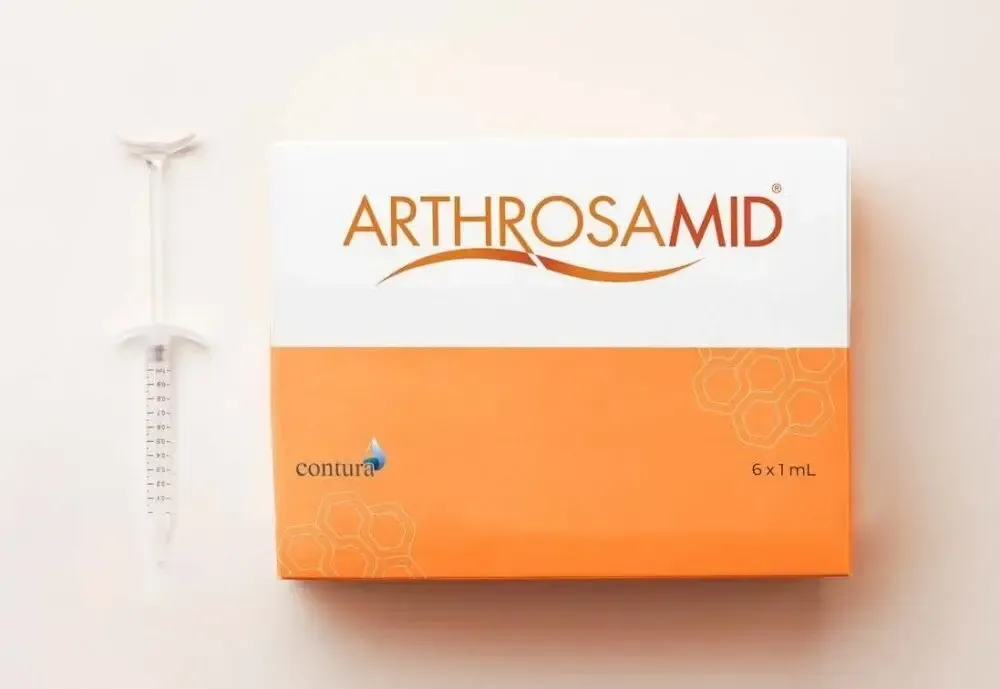
However, a pioneering treatment called Arthrosamid® is changing the conversation. It isn't just a temporary "top-up"—it is a long-acting hydrogel that offers a new way to manage knee pain for years, rather than months.
What is Arthrosamid?
Arthrosamid is an innovative, non-biodegradable hydrogel. Unlike Hyaluronic Acid, which is a substance your body eventually absorbs and breaks down, Arthrosamid is designed to be permanent.
It consists of 97.5% water and 2.5% cross-linked polyacrylamide. This unique composition allows it to integrate with the joint tissues, providing a durable, "cushion-like" layer that stays exactly where it is needed.
How Does it Work?
Most injections focus on the fluid inside the joint. Arthrosamid does something far more sophisticated. Once injected, it works in two distinct stages:
Immediate Cushioning: It immediately thickens the synovial fluid, reducing friction and acting as a shock absorber.
Tissue Integration: Over the following weeks, the hydrogel begins to "mesh" with the inner lining of your joint capsule (the synovium). This strengthens the joint lining and restores its elasticity, creating a long-term barrier against the pain and stiffness of osteoarthritis.
Why is it Different From Other Injections?
The defining characteristic of Arthrosamid is its longevity.
- Steroids are great for "putting out the fire" of a flare-up but often wear off in weeks.
- Hyaluronic Acid provides excellent lubrication but typically lasts around 6 to 9 months.
- Arthrosamid has been shown in clinical trials to provide significant pain reduction and improved mobility for up to 3 years and beyond from just one single injection.

The Procedure: Precision through Ultrasound
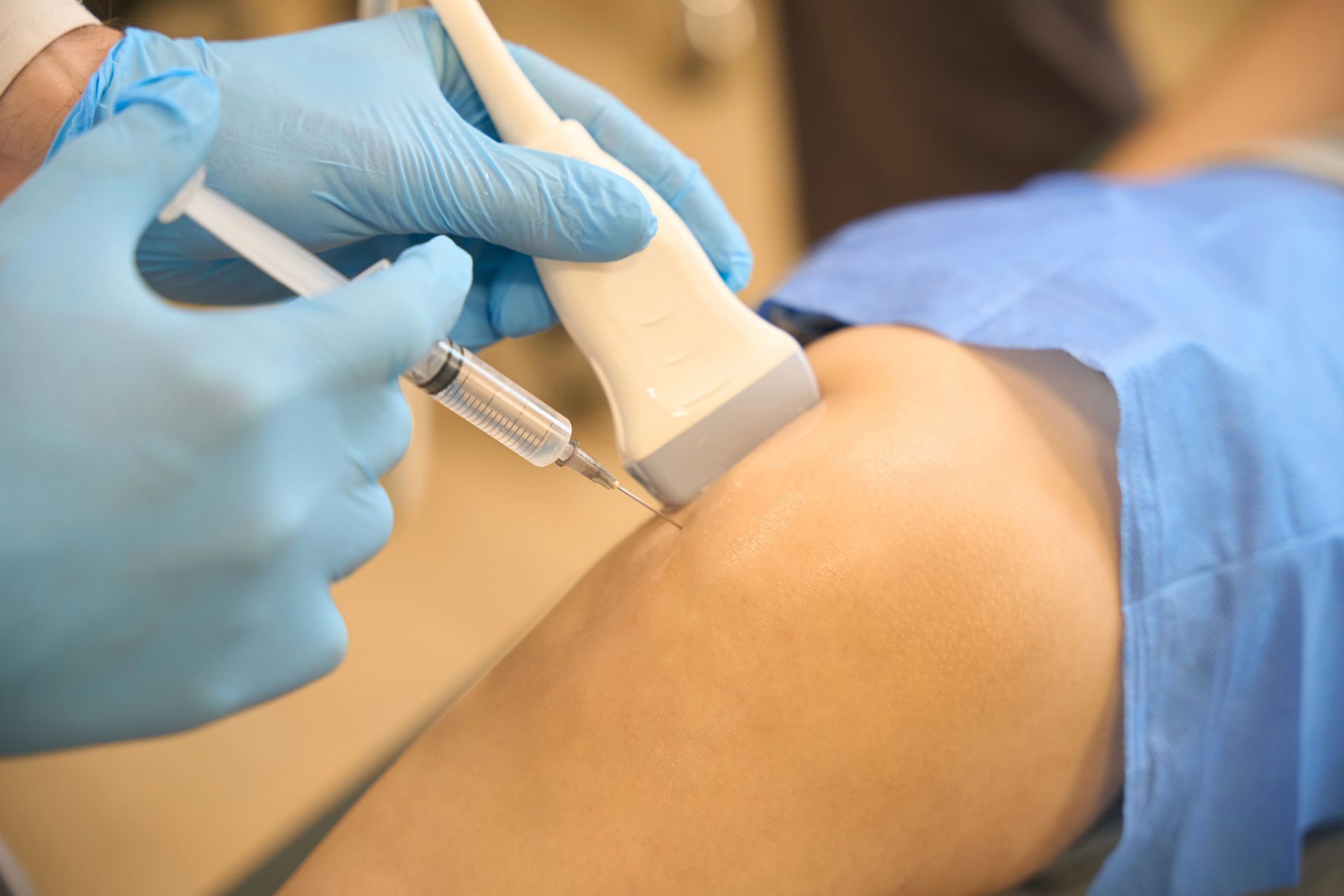
At our clinic, we specialise in ultrasound-guided injections. Because Arthrosamid is a "permanent" implant, accuracy is paramount.
Using real-time ultrasound imaging, our clinicians can see the needle enter the joint space with millimetre precision. This ensures the hydrogel is placed perfectly within the synovial cavity, maximising the effectiveness of the treatment and ensuring the highest levels of patient safety.
Is Arthrosamid right for you?
If you have moderate knee osteoarthritis and are looking to delay or even avoid knee replacement surgery, Arthrosamid could be a game-changer. It is particularly effective for those who have tried other injections without lasting success and want to get back to an active lifestyle without the constant cycle of hospital visits.
Contact Chelmsford Physio today to book your assessment and start your journey to recovery.
Chelmsford Physio
Riverside Leisure Centre, Victoria Rd, Chelmsford CM1 1FG