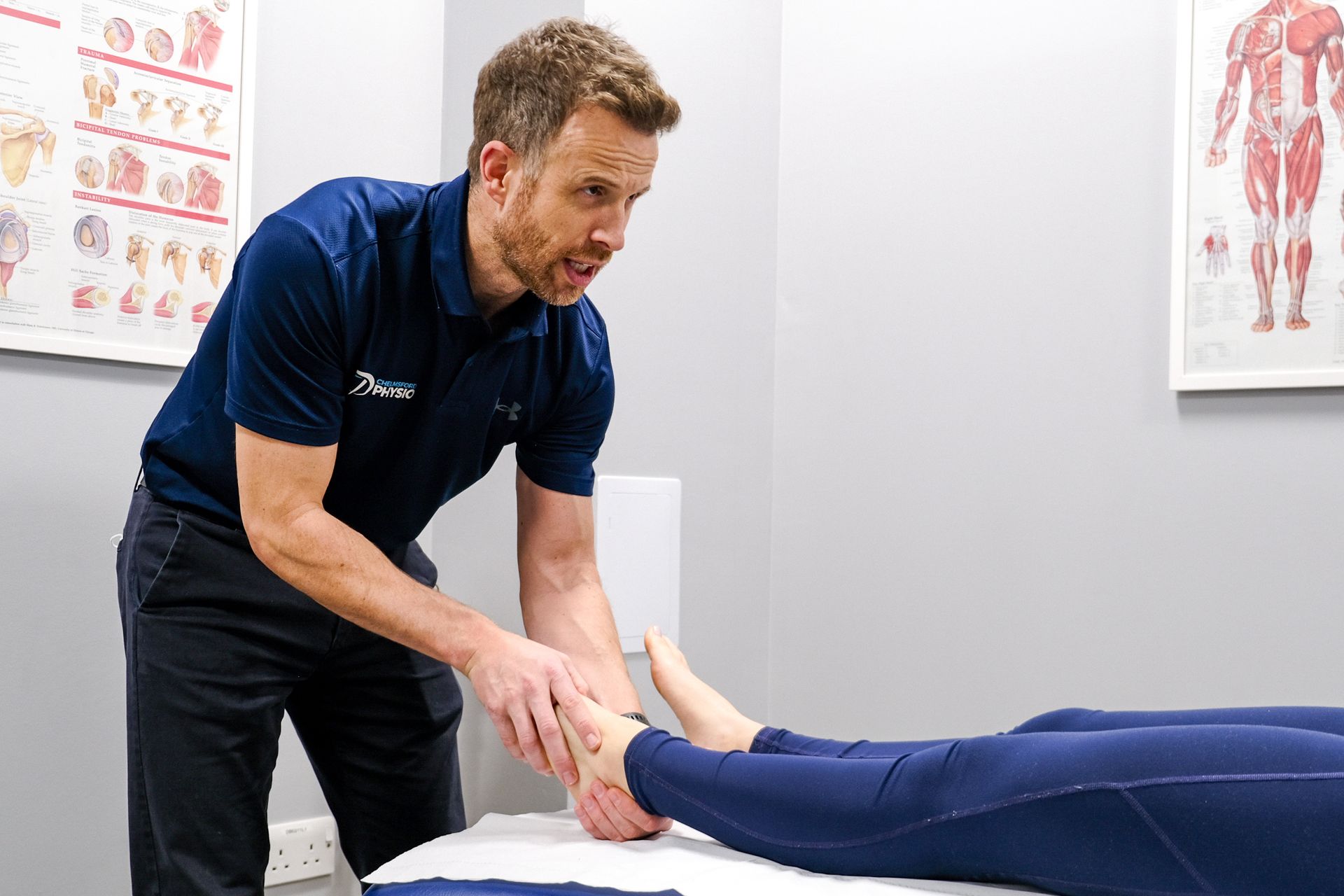
Discover Ultrasound-Guided Injections at Chelmsford Physio
Based at Riverside Leisure Centre in Chelmsford, we are excited to introduce our ultrasound-guided injection service. This innovative approach to treatment combining advanced imaging technology with targeted therapeutic injections to effectively manage pain, reduce inflammation, and support healing in various areas of the body. Let’s explore the types of injections we offer and the conditions they can help treat.
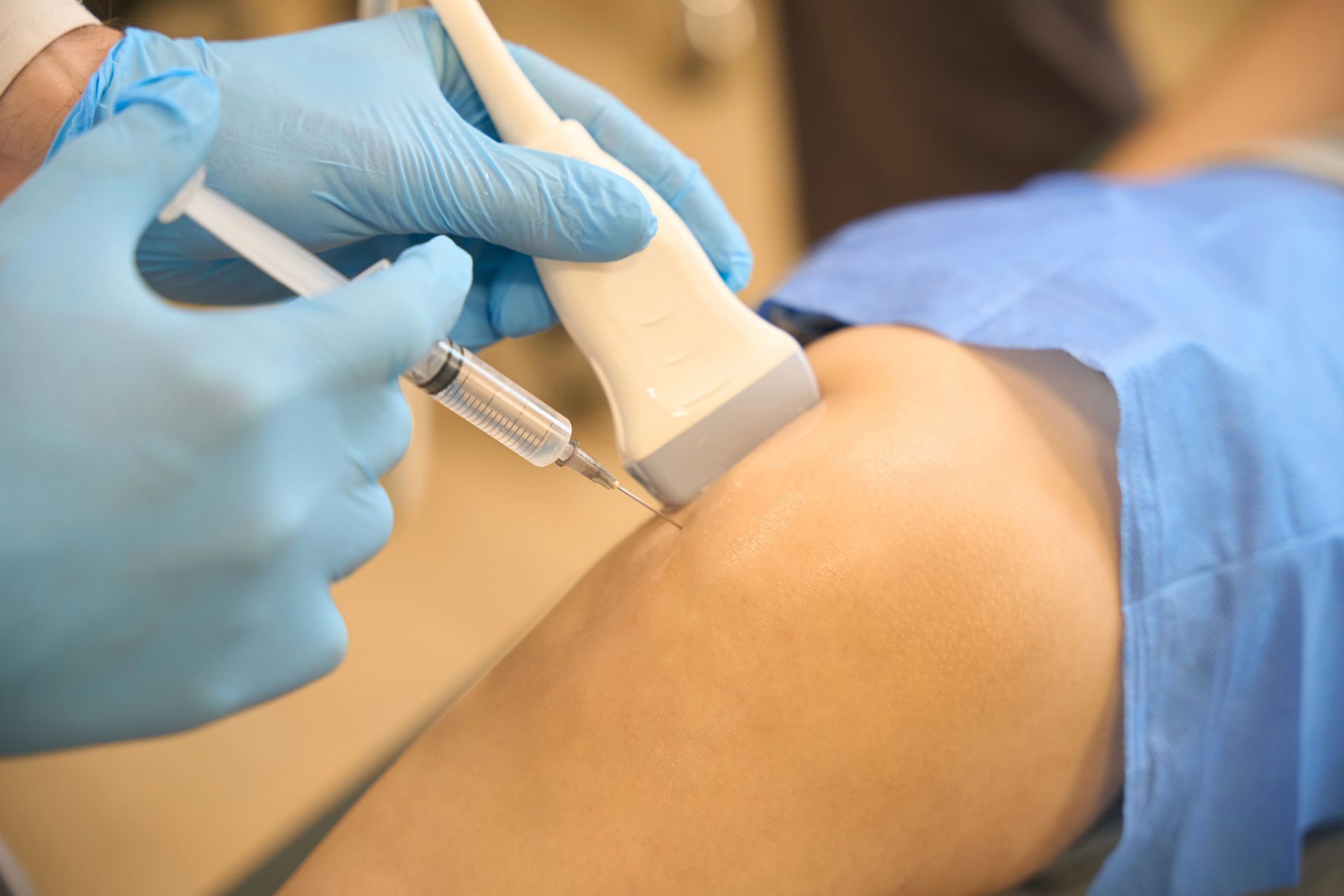
What Are Ultrasound-Guided Injections?
Ultrasound-guided injections are a precise and minimally invasive procedure where a trained clinician uses real-time ultrasound imaging to guide the placement of an injection. This ensures the medication is delivered exactly where it’s needed, improving accuracy and effectiveness while minimising discomfort.
Types of Ultrasound-Guided Injections:
1. Corticosteroid Injections
Corticosteroid injections are commonly used to reduce inflammation and alleviate pain in conditions affecting joints, tendons, and soft tissues. They are particularly effective for:
- Osteoarthritis in the knee, hip, or shoulder
- Tendonitis, such as tennis elbow or Achilles tendonitis
- Bursitis, including shoulder or hip bursitis
By directly targeting inflamed areas, corticosteroid injections provide significant relief for chronic pain and stiffness, allowing you to move more freely.
2. Hyaluronic Acid Injections
Hyaluronic acid injections, also known as viscosupplementation, are often used to manage joint pain and stiffness caused by osteoarthritis. Hyaluronic acid is a naturally occurring substance that helps lubricate and cushion joints. These injections can be particularly beneficial for:
- Knee osteoarthritis
- Hip osteoarthritis
- Ankle joint issues
This treatment enhances joint mobility and reduces discomfort, making it a popular choice for individuals looking to maintain an active lifestyle.
Areas of the Body Treated
Ultrasound-guided injections are versatile and can be used to treat a wide range of conditions affecting various areas of the body. These include:
- Shoulders: Rotator cuff injuries, frozen shoulder, shoulder impingement, shoulder bursitis, acromioclavicular (AC) joint pain
- Elbows: Tennis elbow, golfer’s elbow
- Wrists & Hands: Carpal tunnel syndrome, tendonitis
- Hips: Osteoarthritis of the hip, bursitis, greater trochanteric pain syndrome
- Knees: Osteoarthritis of the knee, patellar tendonitis
- Ankles & Feet: Plantar fasciitis, Achilles tendonitis, Morton’s neuroma, arthritis
This precise technique ensures that treatments are tailored to the specific area of concern, providing targeted relief and promoting faster recovery.
Why Choose Chelmsford Physio?
At Chelmsford Physio, our experienced team is dedicated to delivering personalised care. By combining advanced ultrasound technology with evidence-based treatment options, we ensure you receive the highest standard of care. Whether you’re managing a chronic condition or recovering from an injury, our ultrasound-guided injection service can help you get back to doing what you love.
If you’d like to learn more about our ultrasound-guided injection service or book a consultation, contact Chelmsford Physio today. Let us help you take the next step towards a pain-free, active lifestyle.
Chelmsford Physio
Riverside Leisure Centre, Victoria Rd, Chelmsford CM1 1FG