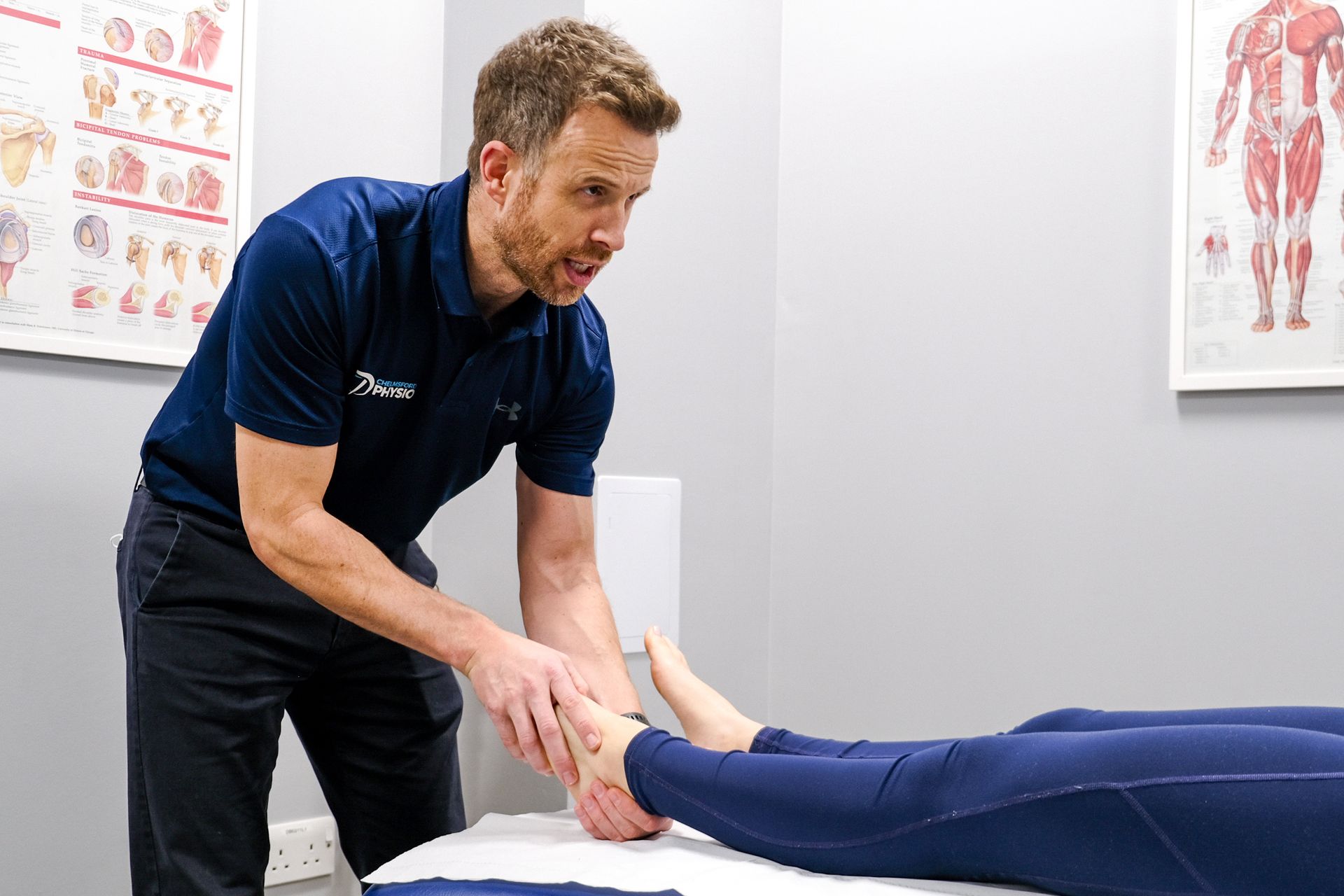
The Best Forms of Recovery for Runners
Marathon training is tough and exhausting. With all the time spent training, are you fitting enough time in for your recovery to perform at your best? The physical demands of running can lead to fatigue and increase the risk of injury, making recovery an essential aspect of a runner's routine.
In this blog, we will explore the best forms of recovery for runners, backed by scientific research and expert recommendations.

1. Active Recovery
Active recovery involves engaging in low-intensity exercise after strenuous workouts. This approach helps to promote blood flow, reduce muscle soreness, and accelerate the removal of metabolic waste products. A study by LaStayo et al. (2003) found that low-intensity activities such as walking or cycling can aid recovery by decreasing delayed onset muscle soreness (DOMS) after intense workouts. Incorporating activities like yoga or swimming can also provide a gentle way to stay active while allowing the body to recover.
2. Hydration & Nutrition
Proper hydration and nutrition play critical roles in recovery. After a run, it's essential to replenish fluids lost through sweat and to consume a balanced meal that includes carbohydrates and protein. A review by Burkhardt et al. (2017) highlighted that consuming protein post-exercise can stimulate muscle protein synthesis, aiding recovery. Aim to consume a recovery snack within 30 minutes of finishing a run for optimal results.

3. Sleep
Sleep is the most powerful performance enhancer available to us.
There’s a clear, linear link between reduced sleep and increased injury risk.
- Sleeping 5 hours instead of 9 can increase injury risk by up to 60%.
- Just one night of 4 hours' sleep can lead to a 70% drop in natural killer cell activity – a key part of your immune defence.
- Getting 6 hours or less per night can reduce time to physical exhaustion by 10–30%.
- Prioritising quality sleep isn’t optional – it’s essential for recovery, resilience, and performance.
Sleep is one of the most critical factors influencing recovery. During sleep, the body undergoes repair processes that are essential for recovery and adaptation. A study by
Lastella et al. (2020) showed that inadequate sleep can lead to poorer performance and increased risk of injuries. Runners should aim for 7-9 hours of quality sleep per night to maximise recovery.
4. Stretching & Foam Rolling
Incorporating stretching and foam rolling into a recovery routine can help alleviate muscle tightness and improve flexibility. A systematic review by Behm et al. (2016) indicated that foam rolling is effective at reducing muscle soreness and improving range of motion. Dynamic stretching before runs and static stretching post-run can also enhance recovery and promote flexibility.
5. Compression Garments
Wearing compression garments during and after runs may offer recovery benefits. A meta-analysis by Hill et al. (2014) suggested that these garments can reduce muscle soreness and swelling, enhancing recovery post-exercise. While individual responses may vary, many runners find compression wear comfortable and beneficial for recovery.
Conclusion
In conclusion, effective recovery is vital for runners to maintain performance and prevent injuries. By incorporating active recovery, proper hydration and nutrition, sleep, stretching, foam rolling, and compression garments into their routines, runners can optimise their recovery process. As always, it's essential to listen to your body and adjust recovery strategies according to individual needs and experiences.
Chelmsford Physio
Riverside Leisure Centre, Victoria Rd, Chelmsford CM1 1FG