Severs Disease

Chelmsford Physio • June 9, 2026

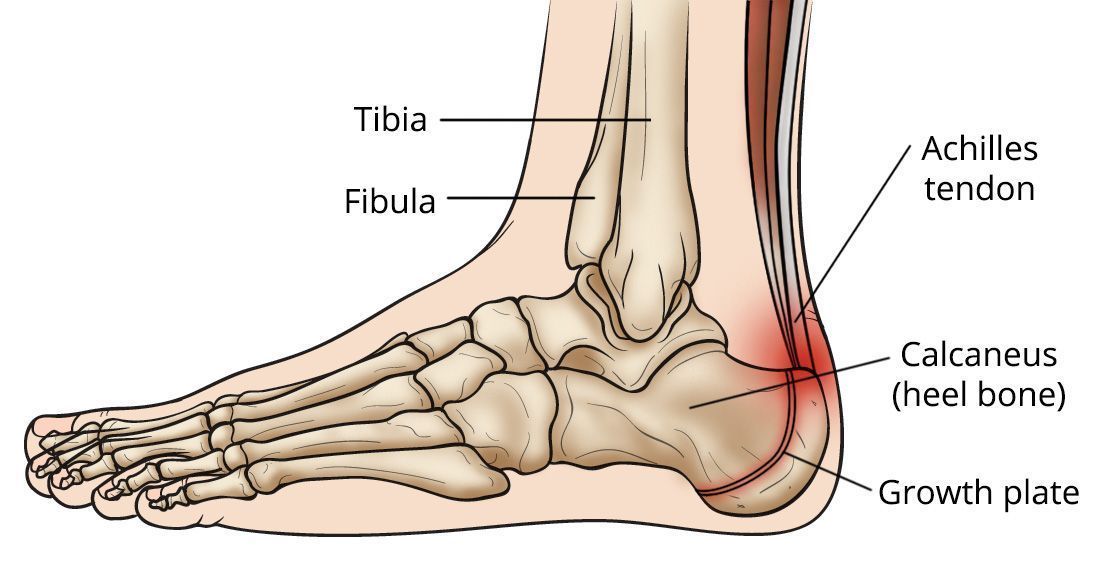
Sever's disease, also known as calcaneal apophysitis, is a common and often painful condition that affects the heel of growing children and adolescents. It is a result of inflammation in the growth plate of the calcaneus, the largest bone in the heel (Blume & Constantine, 2019). This condition typically occurs in children between the ages of 8 and 14 years, with a peak incidence between 10 and 12 years of age (Scharfbillig et al., 2011).


The primary cause of Sever's disease is repetitive stress and strain on the growing heel bone. This can be due to a variety of factors, including:


1. Rapid growth spurts: During periods of rapid growth, the muscles and tendons may not be able to keep up with the growth of the bones, leading to increased stress on the growth plate (Blume & Constantine, 2019).


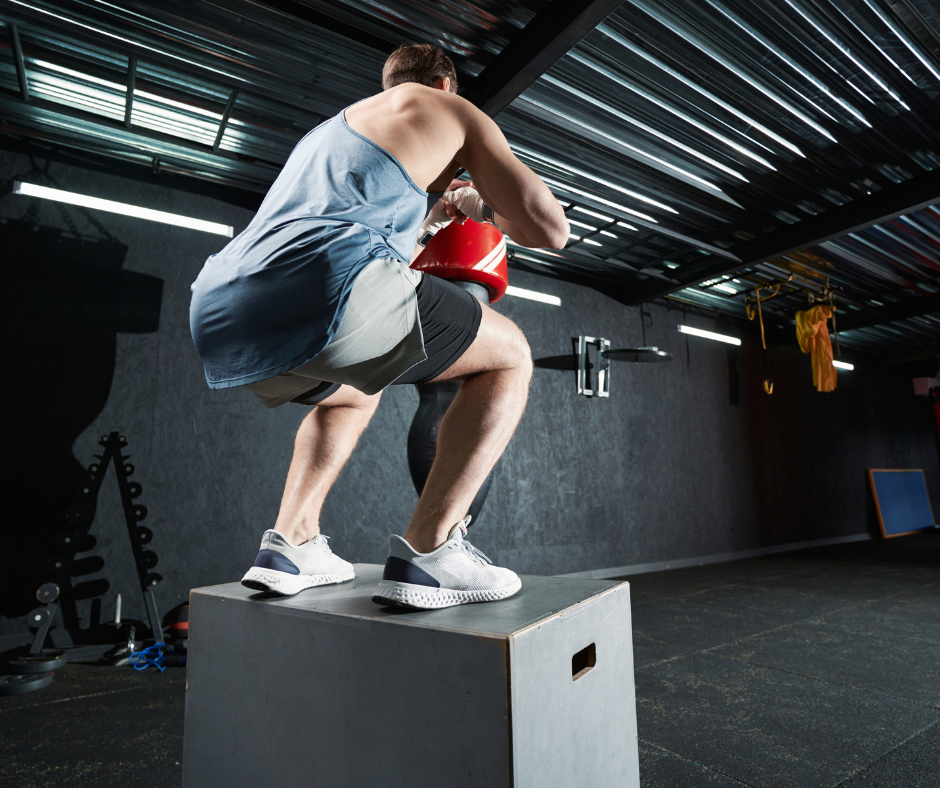
2. Overuse and high-impact activities: Participation in sports or activities that place a high demand on the heel, such as running, jumping, or playing on hard surfaces, can contribute to the development of Sever's disease (Scharfbillig et al., 2011).


3. Tight calf muscles and Achilles tendon: Tight muscles and tendons in the lower leg can pull on the growth plate, exacerbating the condition (Blume & Constantine, 2019).


Symptoms of Sever's disease typically include heel pain, tenderness, and swelling in the affected heel. The pain is often worse with physical activity and may improve with rest (Scharfbillig et al., 2011).

Treatment for Sever's disease typically involves a combination of the following strategies:


1. Rest and activity modification: Reducing or temporarily stopping high-impact activities can help alleviate the stress on the growth plate and allow for healing (Blume & Constantine, 2019).


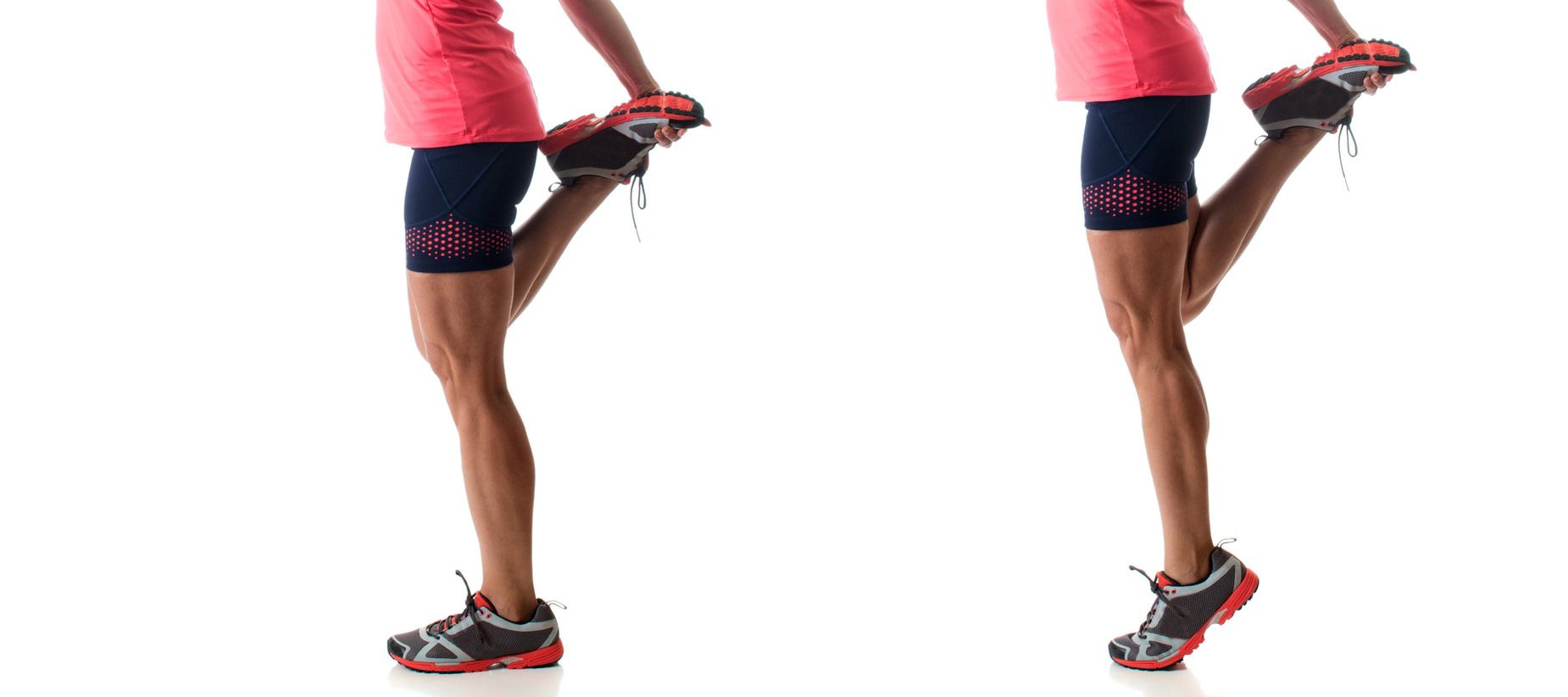
2. Stretching and strengthening exercises: Stretching the calf muscles and Achilles tendon, as well as strengthening the lower leg muscles, can help reduce stress on the growth plate (Scharfbillig et al., 2011).


3. Ice and anti-inflammatory medication: Applying ice to the affected area and taking over-the-counter anti-inflammatory medication can help reduce pain and inflammation (Blume & Constantine, 2019).


4. Supportive footwear and orthotics: Wearing well-cushioned shoes or using heel cups or arch supports can help distribute the load on the heel and reduce stress on the growth plate (Scharfbillig et al., 2011).


In most cases, Sever's disease is a self-limiting condition that resolves as the growth plate matures and closes, usually by the age of 14 or 15 years (Blume & Constantine, 2019). 


With proper physiotherapy treatment and management, most children with Sever's disease can continue to participate in physical activity and sports, with a focus on gradual return to full activity.


Chelmsford Physio

hello@chelmsfordphysio.co.uk

01245 895410

Riverside Leisure Centre, Victoria Rd, Chelmsford CM1 1FG

By Chelmsford Physio July 29, 2026
Athletes competing in hot and humid environments face significant physiological challenges that can impair performance and increase the risk of heat-related illness. From marathon runners in tropical climates to footballers playing summer tournaments, the ability to tolerate and perform in high temperatures is a critical component of elite sport. As a result, many athletes use structured heat acclimatisation strategies to prepare their bodies for environmental stress.  What Is Heat Acclimatisation? Heat acclimatisation refers to a series of physiological adaptations that occur when an athlete is repeatedly exposed to hot conditions during training. These adaptations typically develop over 7–14 days and help the body improve its ability to regulate temperature, maintain performance, and reduce cardiovascular strain during exercise in the heat. Common methods include: ● Training in hot environments (natural or artificial heat chambers) ● Passive heat exposure (saunas or hot water immersion post-training) ● Adjusting clothing to increase thermal load during sessions ● Gradual exposure to increased environmental temperatures The goal is to safely stress the thermoregulatory system so the body becomes more efficient at dissipating heat.
By Chelmsford Physio July 29, 2026
Ice baths, also known as cold water immersion (CWI), have become a common recovery strategy among elite athletes, particularly footballers. From Premier League changing rooms to Olympic training camps, many professionals immerse themselves in cold water after intense matches and training sessions. While the sight of players sitting in freezing water may seem extreme, there is growing scientific evidence explaining why this recovery method is so widely used. What Is an Ice Bath? An ice bath typically involves immersing the body (or lower limbs) in water between 10–15°C for 10–15 minutes shortly after exercise. The aim is to promote recovery by reducing muscle soreness, inflammation and fatigue, allowing athletes to perform consistently during periods of heavy training or competition. Why Do Footballers Use Ice Baths? Football is a physically demanding sport involving repeated sprinting, jumping, tackling, rapid changes of direction and high-impact collisions. These actions create microscopic muscle damage and trigger an inflammatory response. Cold water immersion is commonly used because it may help: ● Reduce delayed onset muscle soreness (DOMS) ● Minimise post-exercise swelling ● Decrease perceptions of fatigue ● Improve recovery between matches ● Maintain performance during congested fixture schedules For professional footballers playing two or three matches per week, rapid recovery is often as important as training itself. 
By Chelmsford Physio July 29, 2026
The FIFA World Cup is a unique tournament environment: elite athletes compressed into a short, high-stakes schedule, with repeated sprinting, sudden acceleration/deceleration, frequent collisions, and often limited time for full tissue recovery. It’s not surprising that the injury pattern in football tends to cluster around the lower limb—particularly the hamstrings, groin/hip-adductors, knee, and ankle. Across football research more broadly, these are repeatedly identified as the most common locations and/or injury mechanisms, even if the exact percentages differ by competition and injury-reporting method. Below is a physio-focused overview of the most common injury “types/regions” you should expect to see at World Cup 2026, along with practical assessment and management themes. 1) Muscle strains—especially hamstrings (HSI)  Why they happen in tournaments: Hamstring strain injuries (HSIs) are strongly associated with high-speed running and the physical demands of sprinting mechanics. In injury surveillance and football epidemiology, hamstring injuries consistently appear among the most common soft-tissue problems, with meaningful recurrence risk. What a physio will look for: - History: onset during acceleration/sprinting, feeling of “pull,” bruising (sometimes). - CNS/tissue considerations: prior injury, training load spikes, inadequate sprint exposure progression. - Clinical exam: focal tenderness, resisted muscle testing, and functional tests aligned to your local protocols (e.g., pain-free activation and lengthening tolerance). Rehabilitation themes: - Restore capacity for high-speed eccentric/concentric demands (not just range of motion). - Use progressive loading and functional return-to-play criteria to address reinjury risk—because football research highlights that the hamstring is one of the most frequently reinjured regions.