What I Learned at VALDCon London 2026
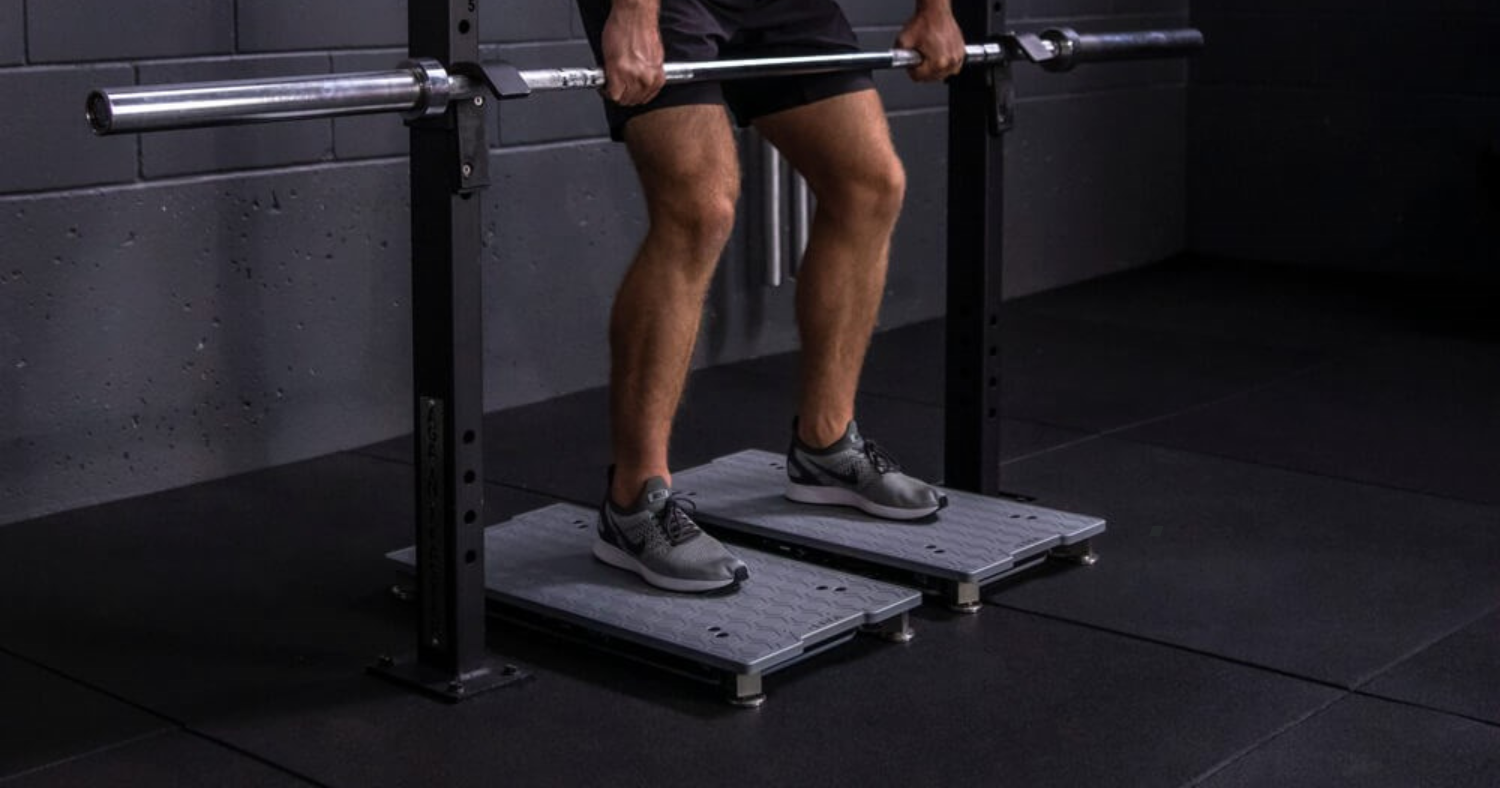
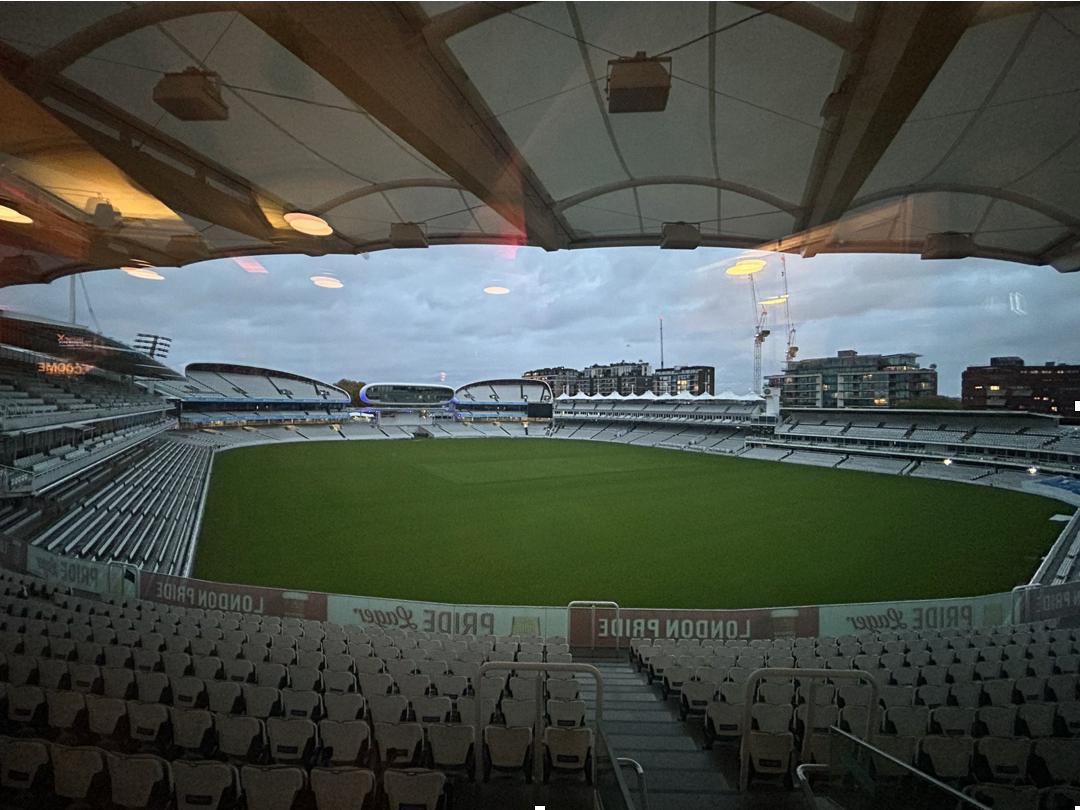
On 23 and 24 October, I represented Chelmsford Physio at VALDCon London, held at Lord's Cricket Ground. VALD makes the ForceDecks force plates and DynaMo dynamometer we use in clinic to measure strength, power and left-right balance.
The two days brought together physios and sports scientists from elite sport, including England cricket, British Athletics and professional football. They shared how they use testing to guide rehab and return to sport. Here are the takeaways most relevant to you, and how we're bringing them into the clinic.

1. Testing is only useful if it guides decisions
A theme running through the whole event was simple: testing someone isn't the goal. The question is what the test tells you and what you do with that information.
For you, that means every test we run should have a purpose. It should show where you are now, shape your programme, or help guide when you're ready for the next step. We also learned how much the instructions given during a test can change the result. Giving the same instructions every time is what makes your retest a fair comparison.
2. Where it hurts isn't always the cause
Catherine Smaill, physio for England Women's Cricket, shared a case study on groin (adductor) injuries. Her point was that the painful area can be the "victim" rather than the "culprit". Weakness elsewhere, such as around the hip, may be contributing.
She used dynamometry to track hip strength through rehab, including how the strength of different muscle groups around the hip compares. Measuring the whole area, not just the sore spot, helps build a more complete picture of what needs work.
3. Returning to running after a hamstring injury
Dr Chris Bramah, a consultant physio who has worked with British Athletics, spoke about getting back to running after a hamstring injury. Hamstring injuries have a reputation for coming back, and going back to running too soon can add to that risk.
His message was to use clear criteria rather than just counting days. These include hamstring strength measured in specific positions, flexibility tests and building up gradually through submaximal running. He also noted that Nordic curls, a popular hamstring exercise, are useful but don't fully match the demands of sprinting on their own. Rehab needs to build up to faster running too.
4. You can't speed up what you can't slow down
Dr Daniel Cohen, co-founder of ForceDecks, explained what the force plates show beyond how high you jump. Two people can jump the same height in very different ways.
How well you brake and absorb force when landing or changing direction is just as important as how much power you produce. That's why we look at the full picture of a jump, including the landing and braking phases, not just the headline number.
5. Tendon problems need strength and spring
A session on tendinopathy, such as Achilles or patellar tendon pain, focused on three qualities tendons need: force, speed and springiness.
Rehab was set out in phases. You build strength first, then progress to hopping and bounding once you hit clear targets. Testing your calf strength and hop performance gives an objective way to decide when you're ready to move up a phase, rather than guessing.
6. Rehab shouldn't stop at pain-free
Being pain-free is a great milestone, but it isn't the finish line. Several speakers made the point that strength and power often lag behind how you feel.
The idea is to move from recovery to performance. Once the injury has settled, keep building your strength and power towards your goals, rather than stopping as soon as the pain goes.
What this means for you at Chelmsford Physio:
We're already putting what I learned into practice:
- Testing set up around your injury – specific test batteries for common problems such as ACL rehab, hamstring injuries, groin pain, tendon pain and knee arthritis
- Consistent testing – the same set-up and instructions every time, so your retest results are a fair comparison
- Clear milestones – measurable targets that help guide when you're ready to progress, return to running or return to sport
- Performance training built from your tests – we now offer performance training sessions designed around your results. Your test data shows what to target, and regular retests show whether it's working, so you can keep progressing once rehab is done or train with a clear plan from day one
If you're a footballer, runner, boxer or gym-goer, or you're recovering from injury, testing gives you a clear picture of where you are and what to work on next.
Book your strength and performance test
We measure, not guess. Find out where you stand and get a rehab or performance training plan built around your results.
Call 01245 895410 or email hello@chelmsfordphysio.co.uk to book or ask about prices. We're based at Riverside Leisure Centre, Chelmsford, and team screens are available for local clubs.