Understanding Osgood-Schlatter Disease
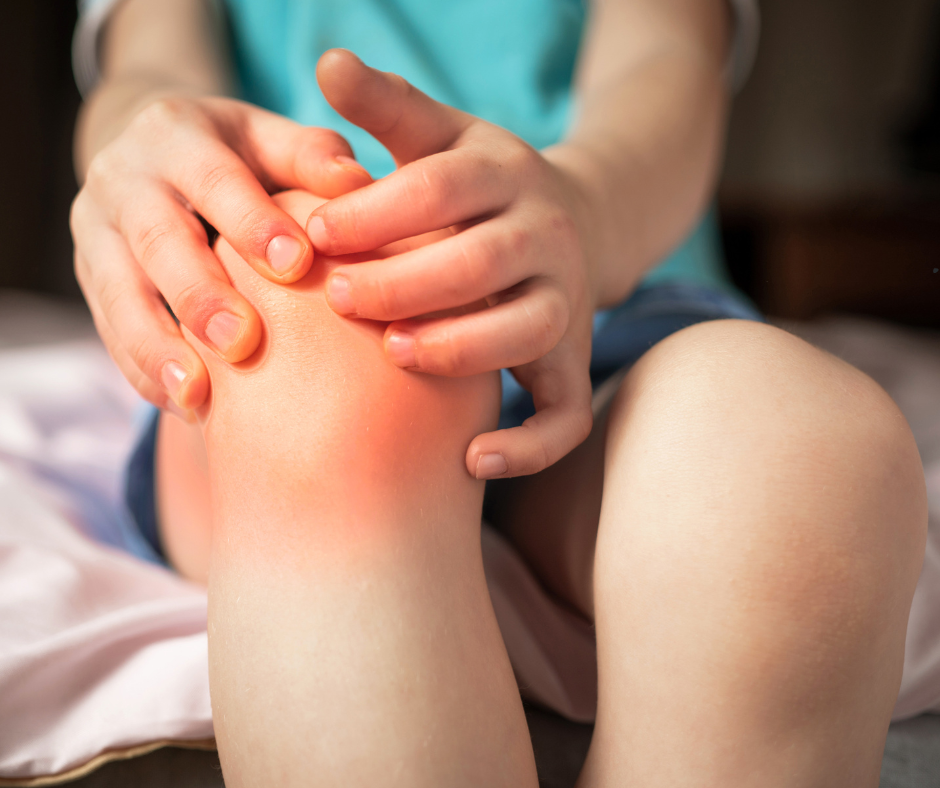
Osgood-Schlatter disease is a common condition that affects the knees of growing children and adolescents. It is characterised by inflammation and pain in the area just below the kneecap, where the patellar tendon attaches to the shinbone (tibia) (Gholve et al., 2007).
Osgood-Schlatter disease is a common cause of knee pain in active, growing children, typically occurring between the ages of 10 and 15 years (Fukuda, 2013).
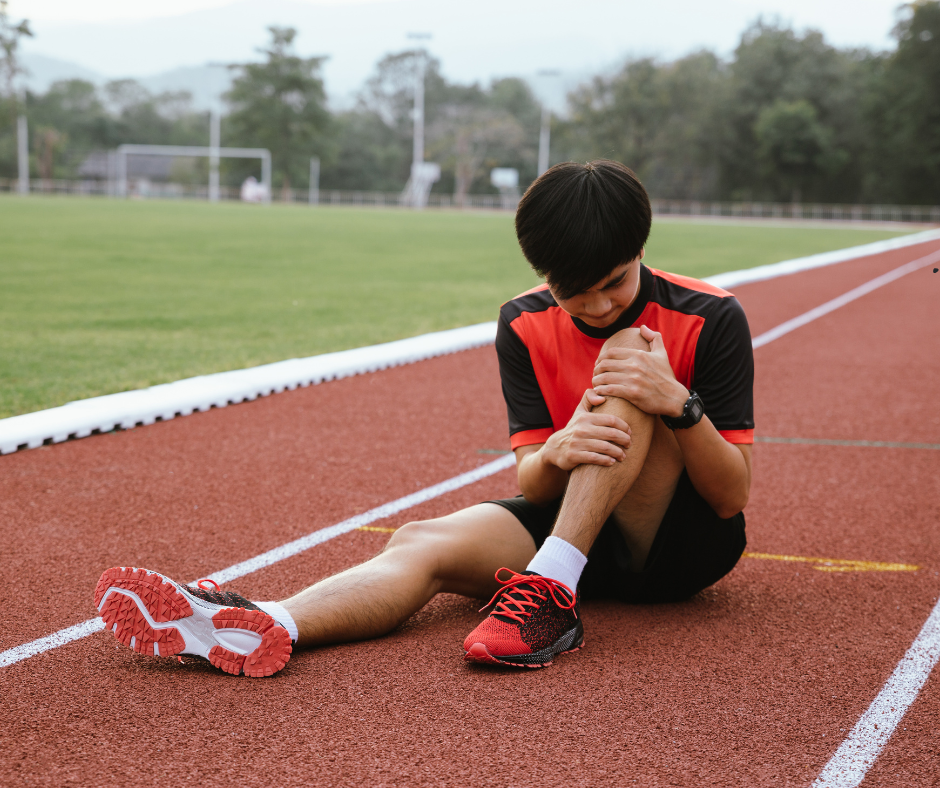
The primary cause of Osgood-Schlatter disease is rapid growth during adolescence, combined with increased physical activity and stress on the patellar tendon (Gholve et al., 2007). As the child grows, the bones, muscles, and tendons may not develop at the same rate, leading to increased tension and stress on the growth plate at the top of the shinbone (Fukuda, 2013).
Symptoms of Osgood-Schlatter disease typically include:
1. Pain and tenderness just below the kneecap, where the patellar tendon attaches to the shinbone (Gholve et al., 2007).
2. Swelling and inflammation in the same area (Fukuda, 2013).
3. Increased pain with physical activity, such as running, jumping, or climbing stairs (Gholve et al., 2007).
4. Tightness or stiffness in the quadriceps and patellar tendon (Fukuda, 2013).
Treatment for Osgood-Schlatter disease typically involves a combination of the following strategies:
1. Rest and activity modification: Reducing or temporarily stopping high-impact activities can help alleviate the stress on the growth plate and allow for healing (Gholve et al., 2007).
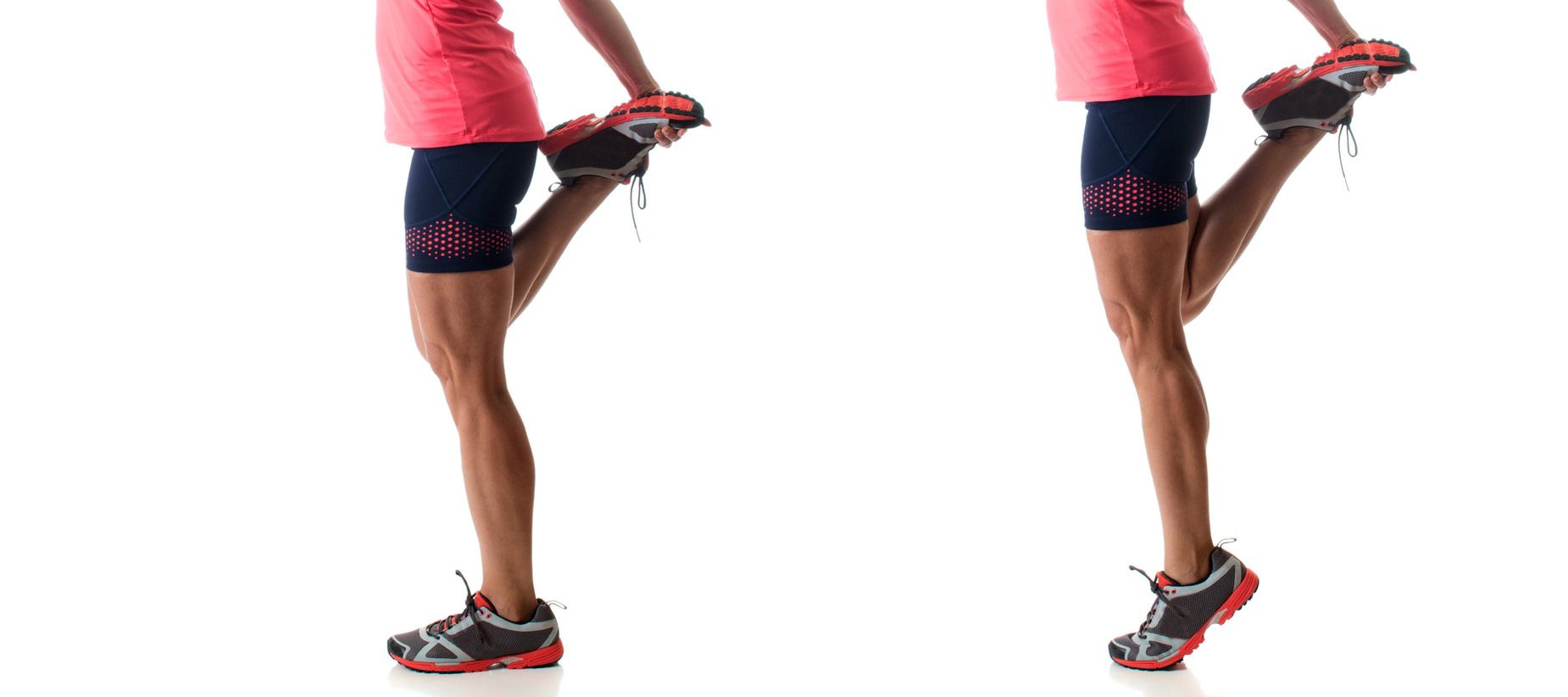
2. Stretching and strengthening exercises: Stretching the quadriceps and strengthening the leg muscles can help reduce stress on the patellar tendon (Fukuda, 2013).
3. Ice and anti-inflammatory medication: Applying ice to the affected area and taking over-the-counter anti-inflammatory medication can help reduce pain and inflammation (Gholve et al., 2007)
4. Supportive bracing or taping: The use of knee braces or patellar tendon straps can help support the affected area and reduce stress on the growth plate (Fukuda, 2013).
In most cases, Osgood-Schlatter disease is a self-limiting condition that resolves as the growth plate matures and closes, usually by the age of 14 or 15 years (Gholve et al., 2007).
With proper physiotherapy treatment and management, most children with Osgood-Schlatter disease can continue to participate in physical activity and sports, with a focus on gradual return to full activity.
Chelmsford Physio
Riverside Leisure Centre, Victoria Rd, Chelmsford CM1 1FG