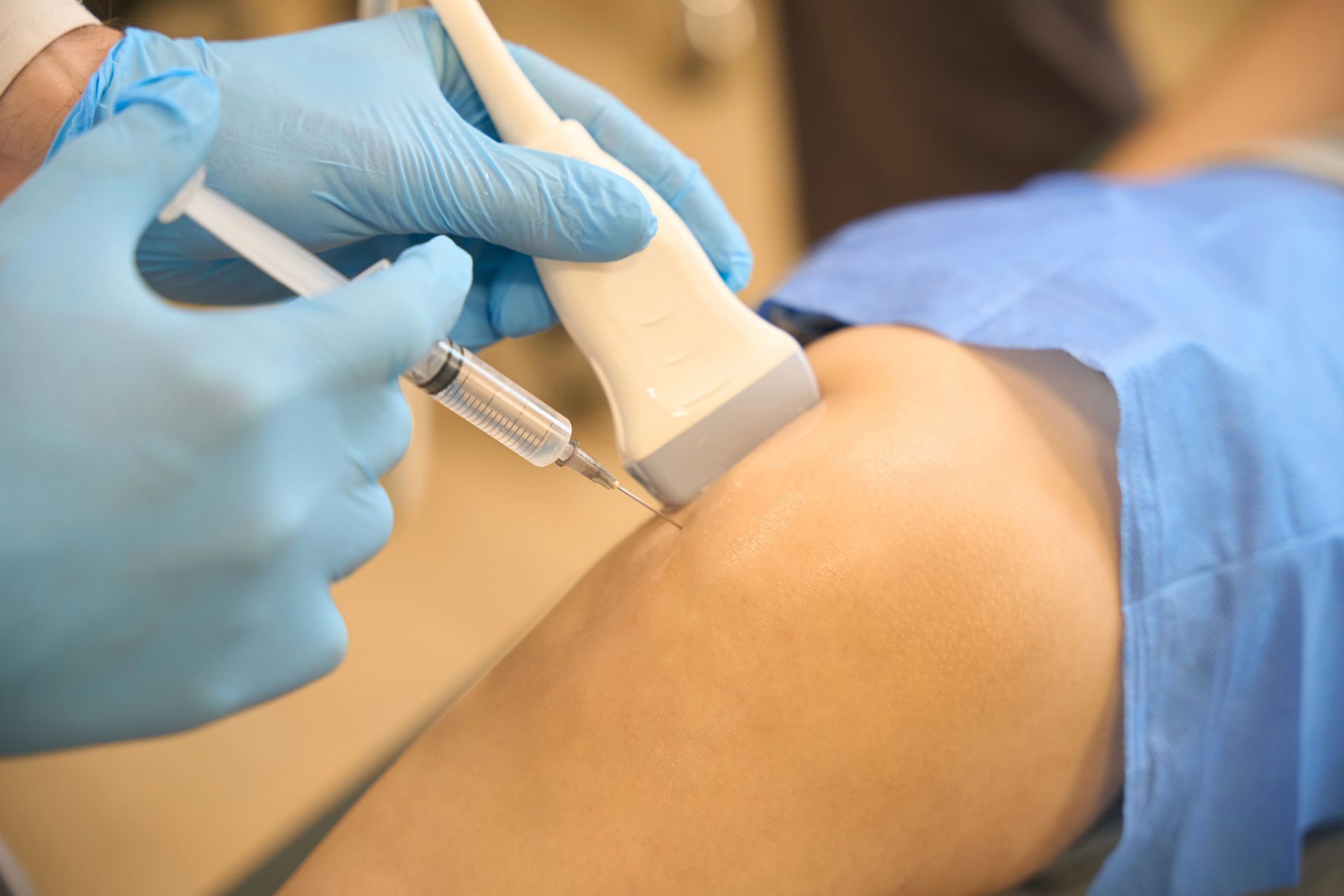
Calcaneal Stress Fracture - A Marathon Runner's Worst Nightmare!
Running is a great form of exercise that provides numerous health benefits, but it can also lead to various injuries. One such injury that we saw in the clinic recently was a calcaneal stress fracture in a runner training for the Marathon.
This blog aims to discuss some of the causes, symptoms, diagnosis, and prevention of calcaneal stress fractures in runners.
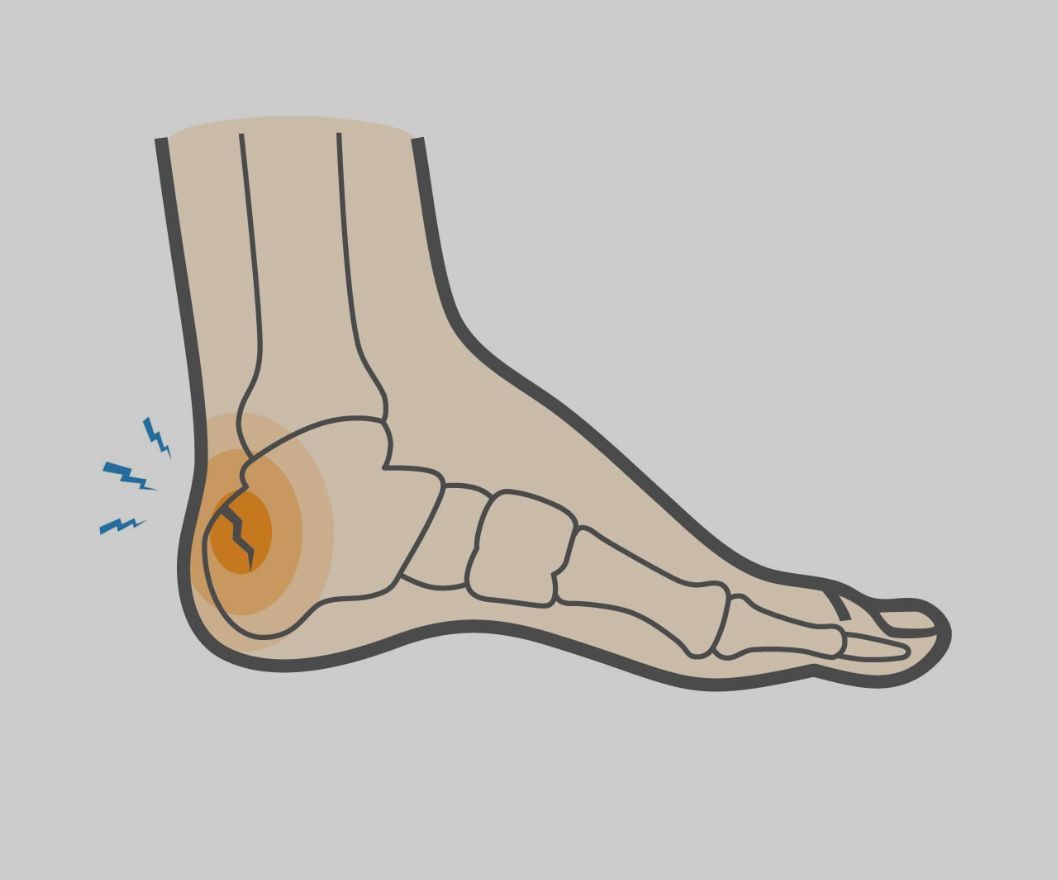
What is a Calcaneal Stress Fracture?
A calcaneal stress fracture is a small crack in the heel bone (calcaneus) that occurs due to repetitive stress and overuse. It can occur among runners, especially those who increase their mileage rapidly. The calcaneus is crucial for absorbing shock and providing stability during running, making it susceptible to injury under excessive load (Kowalchuk et al., 2016).
Causes of Calcaneal Stress Fractures
Several factors contribute to the development of calcaneal stress fractures in runners:
1. Increased Training Intensity: Rapid increases in mileage or intensity can overwhelm the bone's ability to remodel itself, leading to stress fractures (Nilly et al., 2018).
2. Inappropriate Footwear: Running shoes that do not provide adequate support or cushioning can increase the risk of injury (Kerrigan et al., 2001).
3. Poor Running Mechanics: Abnormalities in running form or inadequate foot strike patterns may lead to increased stress on the calcaneus (Lieberman et al., 2010).
4. Bone Health: Factors such as low bone density, which can be influenced by nutrition and hormonal factors, can predispose runners to stress fractures (Kelsey et al., 2007).
Symptoms of Calcaneal Stress Fractures
Runners with calcaneal stress fractures typically report pain, which often occurs during running and can then be present even while walking.
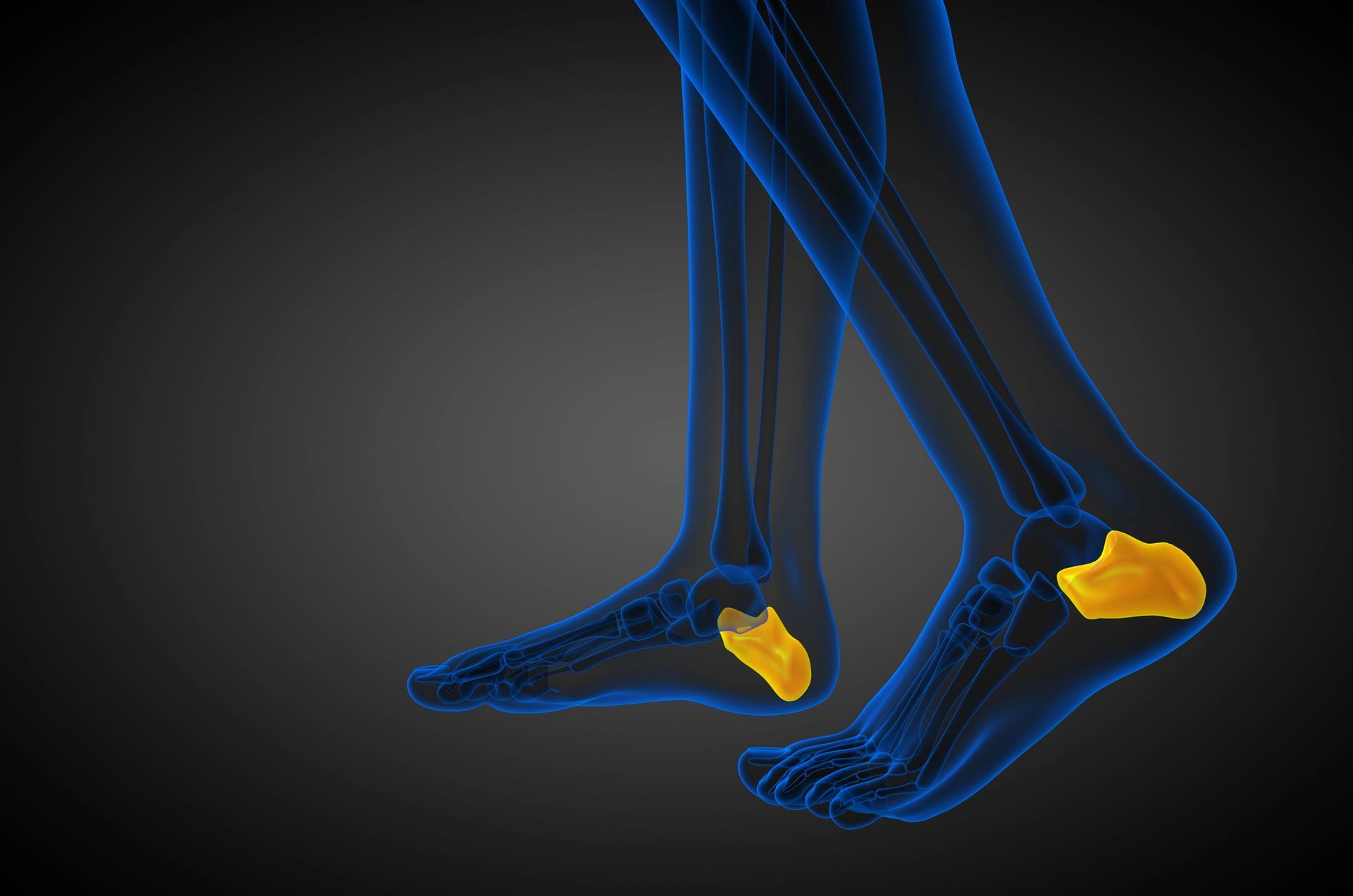
Diagnosis of a Calcaneal Stress Fracture
The diagnosis of a calcaneal stress fracture usually involves a combination of clinical evaluation and imaging studies. A thorough physical examination can reveal an inability to single-leg hop on the affected side, tenderness on bony palpation of the calcaneus & a positive calcaneal squeeze test.
While imaging techniques such as X-rays or MRI can confirm the presence of a stress fracture (Draper & Jones, 2007). MRI is particularly useful as it can detect bone marrow edema, which is indicative of stress fractures even when X-rays appear normal.
BSI can often take weeks and sometimes months to be diagnosed. An Xray is probably not the best way to investigate, as changes can take months. An MRI or a Bone Scan is more sensitive at detecting changes than an X-ray.
Through early diagnosis and a structured management plan, the prognosis should be a full recovery and a return to running in 12-16 weeks. If not diagnosed at the right stage and poorly managed, these can worsen and worst case, end up needing surgery.
A bone stress injury is a risk for runners, especially those who do not adhere to proper training protocols. Understanding the causes, symptoms, and appropriate treatment options can empower runners to take proactive steps in preventing these injuries. By incorporating safe training practices and monitoring bone health, runners can continue to enjoy the benefits of their sport while minimising the risk of injury.
If you suspect a BSI or would like any help with a pain or an injury, get in touch now and speak to an expert physiotherapist.
Chelmsford Physio
Riverside Leisure Centre, Victoria Rd, Chelmsford CM1 1FG