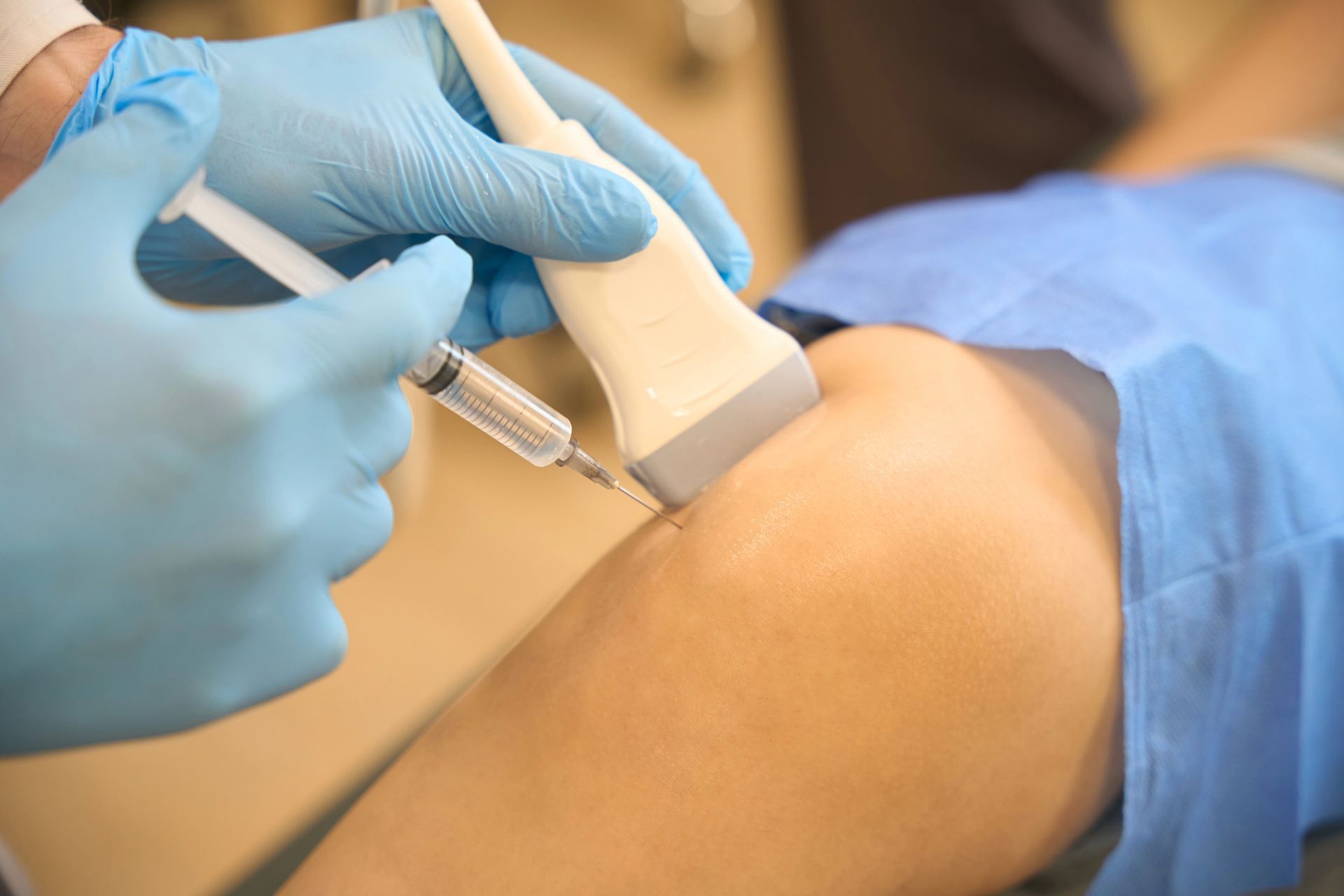
Sports Podiatry for Runners & All Sport?: Enhancing Your Performance with Expert Foot Care

Chelmsford Physio • February 11, 2025

The Role of Podiatry in Sports

Athletics, whether at a professional level or as a weekend hobby, demands a lot from our bodies, especially our feet. Sports podiatry focuses on diagnosing, treating, and preventing foot and lower limb problems experienced by athletes and active individuals. It plays a crucial role in helping athletes maintain optimal foot health and improve their overall performance.


Why Runners Need Specialised Foot Care

Runners, in particular, are susceptible to a range of foot-related issues due to the repetitive impact and stress placed on their feet. Common problems include plantar fasciitis, Achilles tendinitis, and stress fractures. These issues, if not addressed, can lead to more severe injuries, impacting an athlete's ability to perform.



Preventing Injuries

Preventative care is a significant aspect of sports podiatry. By understanding the biomechanics of an athlete's feet, podiatrists can identify potential issues before they become problematic. Custom orthotics, footwear advice, and specific exercises can help in preventing injuries.


Enhancing Performance

Beyond injury prevention, sports podiatry also plays a vital role in enhancing athletic performance. Correct alignment and balance of the feet can improve efficiency, speed, and stability. Podiatrists can provide tailored advice and treatment plans to help athletes achieve their peak performance.


The Benefits for All Athletes

Sports podiatry isn't just for runners; athletes across all sports can benefit. Sports like football, basketball, and tennis require quick, repetitive movements that can strain the feet and ankles. Receiving expert foot care can help in managing these stresses effectively.


Tailored Solutions

Each sport has its unique demands, and therefore, the approach to foot care needs to be customised. A sports podiatrist can offer tailored solutions that cater to the specific requirements of different sports, ensuring athletes receive the most effective care.


Choosing the Right Footwear

One of the critical aspects of sports podiatry is advising on the right footwear. The correct shoes can make a significant difference in performance and injury prevention. Factors like arch support, cushioning, and the right fit are essential considerations.


Regular Check-Ups and Maintenance

Regular check-ups with a sports podiatrist are crucial for maintaining foot health. These visits can help in early detection of issues and ensure that any minor problems are addressed promptly.


When to Seek Professional Help

If you experience persistent foot pain, changes in foot structure, or recurring injuries, it’s time to consult a sports podiatrist. Early intervention can prevent more severe issues and keep you on track with your sporting goals.


In conclusion, sports podiatry is an essential element in the toolkit of any athlete, especially runners. It’s not just about injury treatment but also about performance enhancement and injury prevention. Regular consultations and tailored solutions can significantly contribute to an athlete's success.


Contact Chelmsford Physio

For those in and around Chelmsford, Essex, seeking expert advice and treatment for sports-related foot issues, contact Chelmsford Physio. Their team of experienced professionals is dedicated to helping you achieve your best performance with optimal foot health.


New Paragraph
By Chelmsford Physio • October 27, 2026
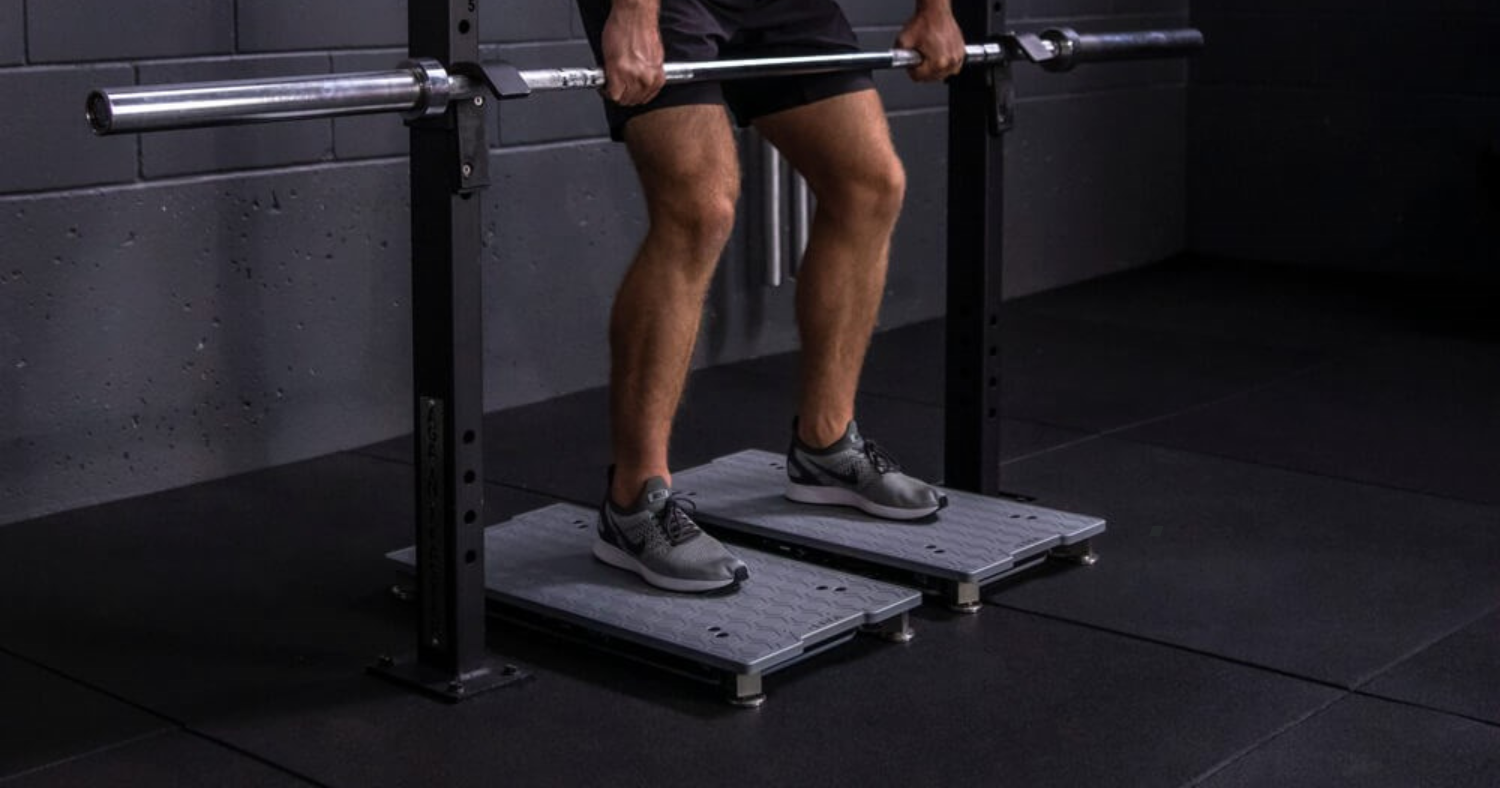
In modern physiotherapy, clinical expertise remains fundamental, but technology is transforming how we assess, monitor and guide rehabilitation. One of the most valuable innovations is the use of force plate technology, and at our clinic we utilise the VALD ForceDecks to provide objective, reliable data throughout a patient’s rehabilitation journey. Rather than relying solely on observation or subjective feedback, ForceDecks enable us to accurately measure how your body produces and absorbs force. This allows us to identify movement deficits that may not be visible to the naked eye, track progress over time, and make evidence-based decisions regarding exercise progression and return to activity. What are VALD ForceDecks? VALD ForceDecks are dual force plates that measure the forces generated through the feet during a wide variety of movements. Using highly sensitive load cells, they capture detailed information about strength, balance, power, asymmetries and movement strategies. Common assessments include: Countermovement jumps Squat assessments Single-leg balance testing Sit-to-stand testing Isometric strength testing Landing mechanics Hop testing for return-to-sport decisions Within seconds, the software analyses hundreds of metrics that provide clinicians with objective insight into a patient’s physical performance. Why Objective Assessment Matters Traditional physiotherapy assessments rely on observation, manual muscle testing and patient-reported symptoms. Whilst these remain valuable, they can miss subtle deficits that increase the risk of delayed recovery or re-injury. ForceDecks allow physiotherapists to quantify movement rather than estimate it. For example, following an ACL reconstruction, a patient may appear to squat evenly. However, ForceDecks often reveal significant offloading of the surgical limb, reduced eccentric control or delayed force production. These hidden compensations can then become specific treatment targets. Objective measurements also improve communication between clinician and patient. Seeing measurable improvements in strength or symmetry provides reassurance that rehabilitation is progressing, even when symptoms fluctuate. Monitoring Progress with Precision One of the greatest benefits of ForceDecks is the ability to track rehabilitation over time. Instead of simply asking whether someone feels stronger, we can measure improvements in: Peak force production Limb symmetry Rate of force development Jump height Landing forces Balance performance Weight distribution This enables rehabilitation programmes to be progressed based on measurable performance rather than arbitrary timelines. Improving Return-to-Sport Decisions Returning to sport too early remains one of the biggest risk factors for re-injury. Research has consistently demonstrated that persistent strength deficits and movement asymmetries can remain long after pain has resolved. ForceDecks help clinicians identify these deficits before an athlete returns to competition. Objective testing can assist with: Assessing readiness to return to running Evaluating landing mechanics Measuring explosive power Identifying left-right asymmetries Monitoring fatigue Reducing the risk of subsequent injury Rather than relying on a single test, ForceDecks contribute to a comprehensive return-to-performance assessment that combines physical capacity with clinical reasoning.
By Ben Jones • October 27, 2026
On 23 and 24 October, I represented Chelmsford Physio at VALDCon London, held at Lord's Cricket Ground. VALD makes the ForceDecks force plates and DynaMo dynamometer we use in clinic to measure strength, power and left-right balance. The two days brought together physios and sports scientists from elite sport, including England cricket, British Athletics and professional football. They shared how they use testing to guide rehab and return to sport. Here are the takeaways most relevant to you, and how we're bringing them into the clinic. 
By Chelmsford Physio • October 14, 2026
Based at Riverside Leisure Centre in Chelmsford, we are excited to introduce our ultrasound-guided injection service.