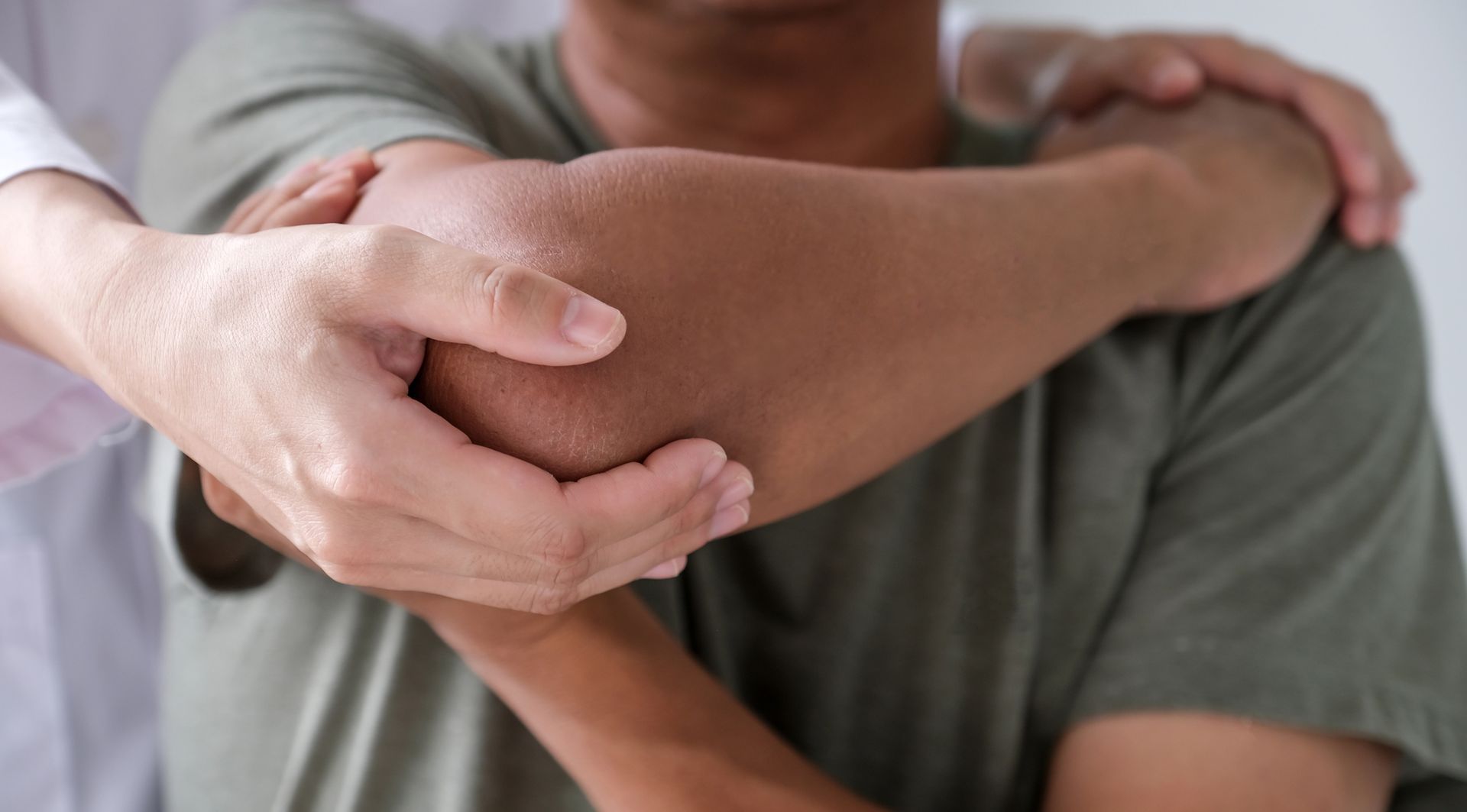
3D Foot Scan: A Revolutionary Tool for Personalised Podiatry Care

Chelmsford Physio • February 11, 2025

Transforming Foot Health with Technology

In the realm of podiatry, the evolution of technology has ushered in an era of precision and personalisation. One such advancement that stands at the forefront is the 3D Foot Scan. This state-of-the-art tool is revolutionising the way we approach foot health, offering bespoke solutions to individuals seeking podiatry care.


What is a 3D Foot Scan?

A 3D Foot Scan is a cutting-edge diagnostic tool that creates a precise, three-dimensional model of your foot. This technology captures every contour and aspect of the foot's structure, providing unparalleled insights into its unique biomechanics. Unlike traditional methods, which often rely on visual assessments or two-dimensional imaging, 3D foot scanning delivers a comprehensive and accurate representation of your feet.
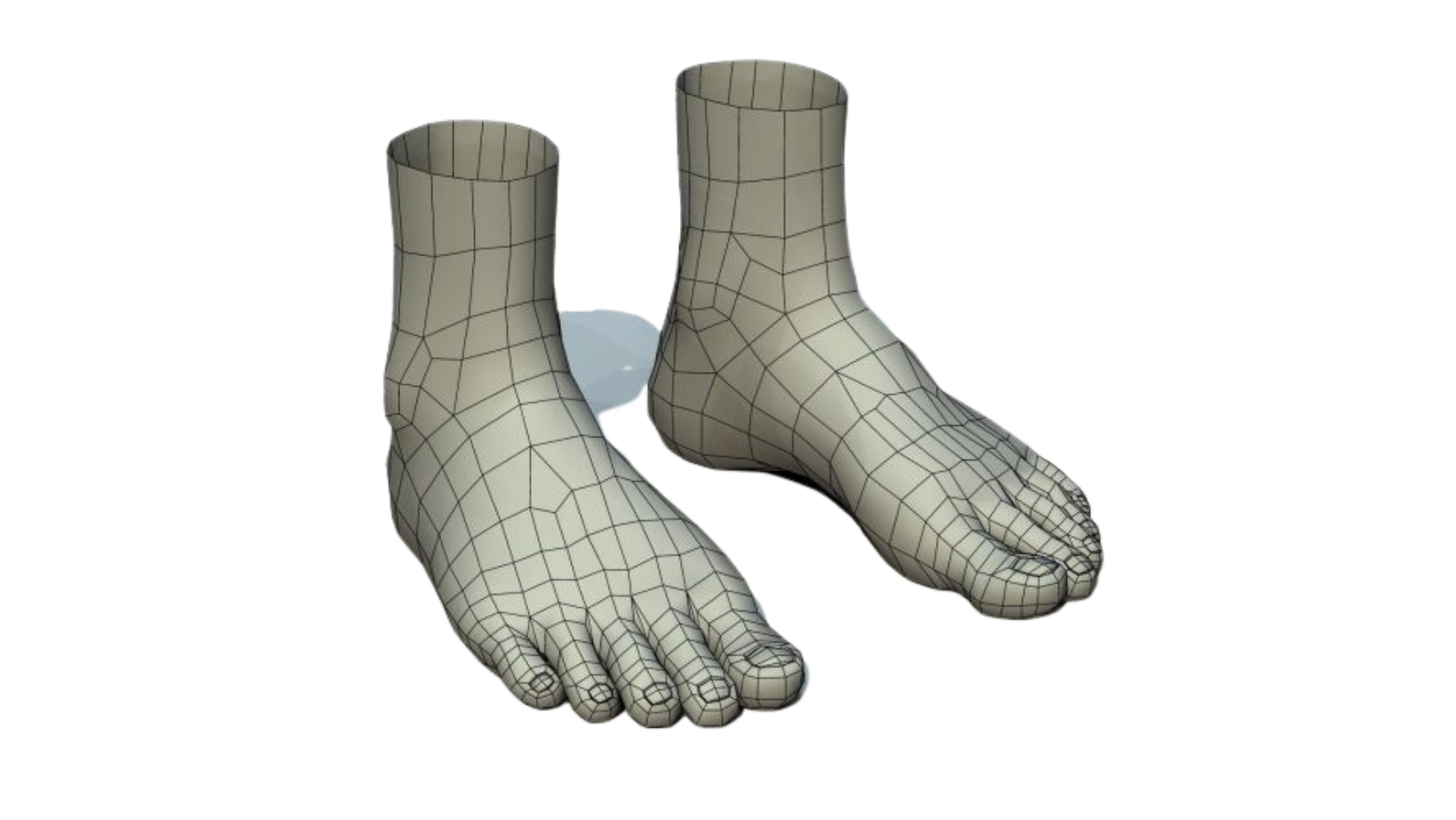

The Benefits of 3D Foot Scanning

The Benefits of 3D Foot Scanning

1) Personalised Treatment Plans


The detailed imagery from a 3D foot scan allows for highly tailored treatment plans. Podiatrists can identify specific issues, such as arch height variations, pressure points, and gait abnormalities, with unprecedented accuracy. This leads to more effective and targeted therapies.


2) Enhanced Orthotic Design


For those requiring orthotics, 3D scans ensure a perfect fit. Custom orthotics, designed based on your scan, can significantly improve comfort and support, addressing issues like plantar fasciitis, flat feet, or other foot-related problems.


3) Early Detection and Prevention


Early detection of potential foot problems is a key benefit of 3D foot scanning. By identifying issues before they develop into more serious conditions, preventive measures can be taken, promoting long-term foot health and mobility.


4) The Process: Simple and Swift


Undergoing a 3D foot scan is a straightforward, quick, and non-invasive process. It involves placing your feet on a scanning device, which captures all necessary data in a matter of seconds. The result is a highly detailed 3D image, ready for analysis by a
podiatry professional.
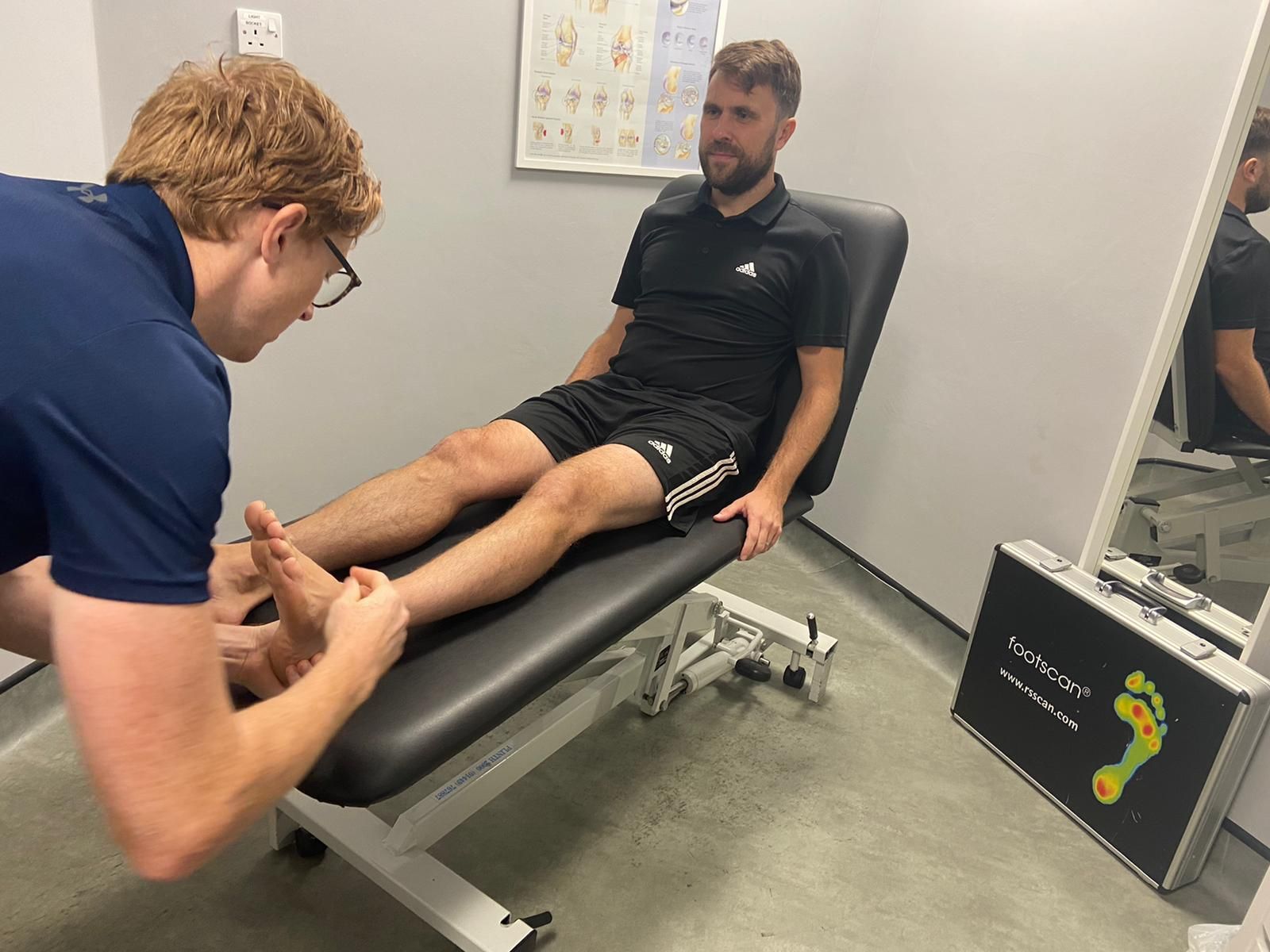


5) Who Can Benefit?


3D foot scanning is beneficial for a wide range of individuals. Athletes can enhance their performance and reduce injury risks, while those with chronic foot conditions can find relief through customised treatment plans. It's also ideal for anyone looking to improve their overall foot health and comfort.


6) Future of Foot Care


The future of foot care is here with 3D foot scanning. This technology not only offers immediate benefits but also paves the way for ongoing research and advancements in podiatry care. It represents a shift towards more patient-centric, effective, and efficient treatment methods.


7) Embracing Innovation in Podiatry


The 3D Foot Scan is more than just a diagnostic tool; it's a symbol of the innovative strides being made in podiatry. By embracing such technologies, we are stepping into a future where foot health care is more accurate, personalised, and accessible.


Contact Chelmsford Physio

For those in and around Chelmsford, Essex, experiencing the benefits of 3D Foot Scanning is within easy reach. Contact Chelmsford Physio to discover how this revolutionary tool can enhance your podiatry care and contribute to your overall well-being.

By Chelmsford Physio July 29, 2026
Athletes competing in hot and humid environments face significant physiological challenges that can impair performance and increase the risk of heat-related illness. From marathon runners in tropical climates to footballers playing summer tournaments, the ability to tolerate and perform in high temperatures is a critical component of elite sport. As a result, many athletes use structured heat acclimatisation strategies to prepare their bodies for environmental stress.  What Is Heat Acclimatisation? Heat acclimatisation refers to a series of physiological adaptations that occur when an athlete is repeatedly exposed to hot conditions during training. These adaptations typically develop over 7–14 days and help the body improve its ability to regulate temperature, maintain performance, and reduce cardiovascular strain during exercise in the heat. Common methods include: ● Training in hot environments (natural or artificial heat chambers) ● Passive heat exposure (saunas or hot water immersion post-training) ● Adjusting clothing to increase thermal load during sessions ● Gradual exposure to increased environmental temperatures The goal is to safely stress the thermoregulatory system so the body becomes more efficient at dissipating heat.
By Chelmsford Physio July 29, 2026
Ice baths, also known as cold water immersion (CWI), have become a common recovery strategy among elite athletes, particularly footballers. From Premier League changing rooms to Olympic training camps, many professionals immerse themselves in cold water after intense matches and training sessions. While the sight of players sitting in freezing water may seem extreme, there is growing scientific evidence explaining why this recovery method is so widely used. What Is an Ice Bath? An ice bath typically involves immersing the body (or lower limbs) in water between 10–15°C for 10–15 minutes shortly after exercise. The aim is to promote recovery by reducing muscle soreness, inflammation and fatigue, allowing athletes to perform consistently during periods of heavy training or competition. Why Do Footballers Use Ice Baths? Football is a physically demanding sport involving repeated sprinting, jumping, tackling, rapid changes of direction and high-impact collisions. These actions create microscopic muscle damage and trigger an inflammatory response. Cold water immersion is commonly used because it may help: ● Reduce delayed onset muscle soreness (DOMS) ● Minimise post-exercise swelling ● Decrease perceptions of fatigue ● Improve recovery between matches ● Maintain performance during congested fixture schedules For professional footballers playing two or three matches per week, rapid recovery is often as important as training itself. 
By Chelmsford Physio July 29, 2026
The FIFA World Cup is a unique tournament environment: elite athletes compressed into a short, high-stakes schedule, with repeated sprinting, sudden acceleration/deceleration, frequent collisions, and often limited time for full tissue recovery. It’s not surprising that the injury pattern in football tends to cluster around the lower limb—particularly the hamstrings, groin/hip-adductors, knee, and ankle. Across football research more broadly, these are repeatedly identified as the most common locations and/or injury mechanisms, even if the exact percentages differ by competition and injury-reporting method. Below is a physio-focused overview of the most common injury “types/regions” you should expect to see at World Cup 2026, along with practical assessment and management themes. 1) Muscle strains—especially hamstrings (HSI)  Why they happen in tournaments: Hamstring strain injuries (HSIs) are strongly associated with high-speed running and the physical demands of sprinting mechanics. In injury surveillance and football epidemiology, hamstring injuries consistently appear among the most common soft-tissue problems, with meaningful recurrence risk. What a physio will look for: - History: onset during acceleration/sprinting, feeling of “pull,” bruising (sometimes). - CNS/tissue considerations: prior injury, training load spikes, inadequate sprint exposure progression. - Clinical exam: focal tenderness, resisted muscle testing, and functional tests aligned to your local protocols (e.g., pain-free activation and lengthening tolerance). Rehabilitation themes: - Restore capacity for high-speed eccentric/concentric demands (not just range of motion). - Use progressive loading and functional return-to-play criteria to address reinjury risk—because football research highlights that the hamstring is one of the most frequently reinjured regions.