Biomechanical Analysis: Unearthing the Root Causes of Foot and Lower Extremity Pain
Experiencing pain in your feet or lower extremities can be not just discomforting but also a hindrance to your daily activities. While there are various reasons for such pains, a biomechanical analysis often holds the key to understanding and effectively addressing these issues. In this article, we delve into how biomechanical analysis can help in identifying the root causes of foot and lower extremity pain.
Understanding Biomechanics
Biomechanics refers to the study of the mechanical laws relating to the movement or structure of living organisms. In the context of physiotherapy, it involves analysing how the bones, muscles, tendons, and ligaments work together to move. Any imbalance or irregularity in this delicate system can lead to pain and discomfort.
The Role of Feet in Biomechanics
Feet, being the foundation of our body, plays a pivotal role in our biomechanics. They bear the weight of our entire body and are essential for movement. Problems in the feet often lead to a domino effect, causing issues in the knees, hips, and even the lower back.
Common Causes of Pain
Improper Footwear
Wearing shoes that do not support or align with the natural structure of your feet can lead to pain. This is often seen in individuals who wear high heels or ill-fitting shoes for prolonged periods.
Overuse and Sports Injuries
Athletes or individuals engaging in regular physical activities might experience pain due to overuse of certain muscles or from sports-related injuries.
Age-Related Changes
As we age, changes in the structure of our feet, such as the flattening of arches, can cause pain and discomfort.
Medical Conditions
Certain medical conditions like arthritis, diabetes, and obesity also contribute to foot and lower extremity pain.
Gait Analysis
This involves observing how an individual walks or runs. It helps in identifying issues like overpronation (rolling inwards of the foot) or supination (rolling outwards of the foot), which are common causes of pain.
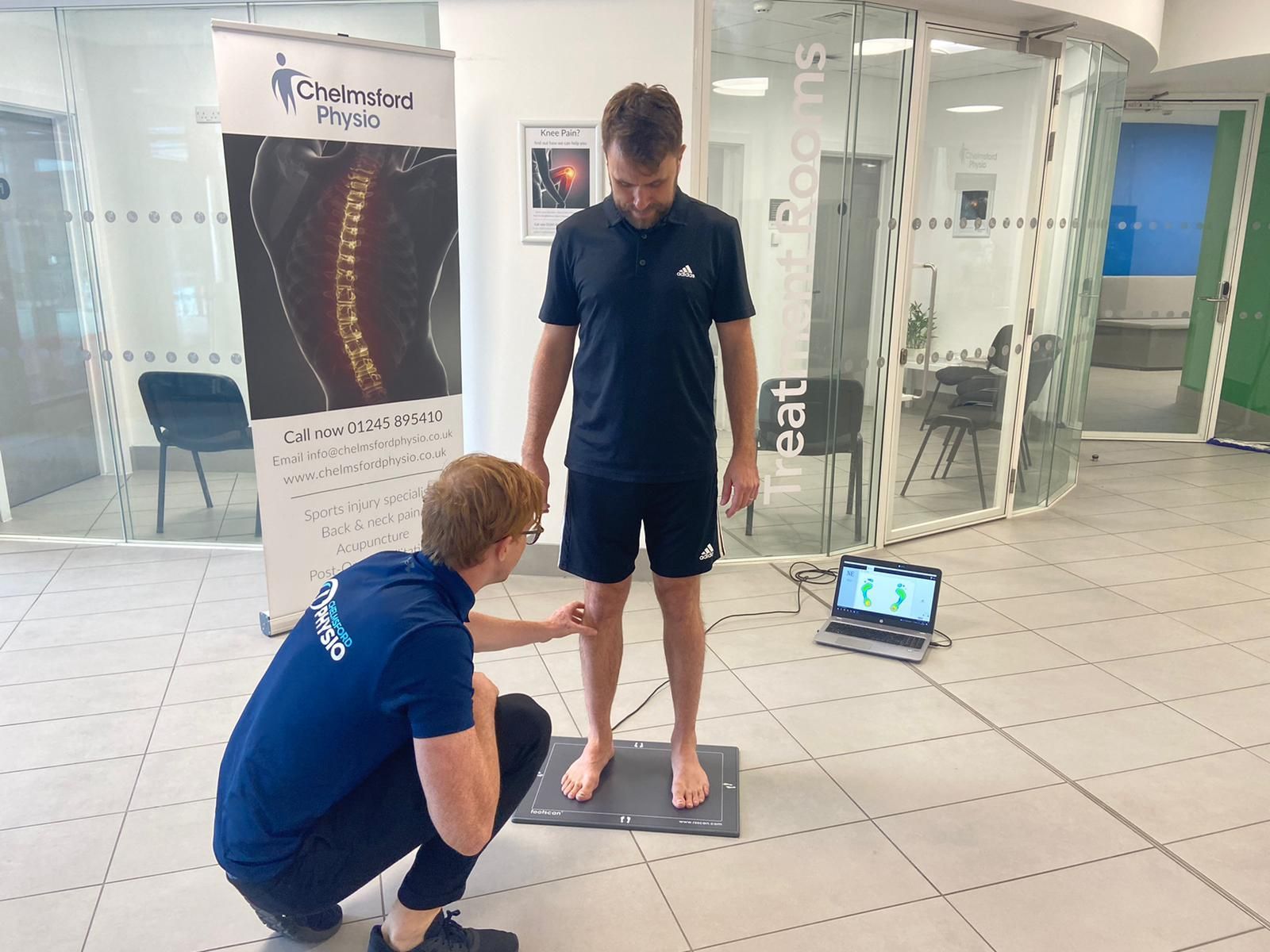
Pressure Mapping
Pressure mapping technologies can be used to understand how weight is distributed across the feet. This is crucial in identifying areas that are under excessive stress.
Treatment and Management
Based on the findings from the biomechanical analysis, a tailored treatment plan can be developed. This may include:
Orthotic Therapy: Custom-made insoles can be used to correct foot imbalances.
Exercise Regimens: Specific exercises to strengthen the muscles and improve flexibility.
Footwear Advice: Guidance on selecting the right footwear to support your feet.
Manual Therapy: Techniques such as massage and mobilisation to alleviate pain and improve function.
Understanding the biomechanical causes of foot and lower extremity pain is crucial in developing effective treatment plans. By analysing how the body moves and identifying any imbalances, it’s possible to address the root cause of the pain, rather than just treating the symptoms.
For a comprehensive assessment and personalised treatment plan, contact
Chelmsford Physio. Our team is dedicated to helping you achieve pain-free movement, and enhancing your quality of life.