Blood Flow Restriction (BFR) Training
What is Blood Flow Restriction (BFR) Training?
BFR is a technique that combines low-intensity exercise with blood flow occlusion that produces similar results to high-intensity training. It has been used in the gym setting for some time but it is gaining popularity in clinical settings. VanWye et al, (2017).
BFR training was initially developed in the 1960s in Japan and is known as KAATSU training. It involves the application of a pneumatic cuff (tourniquet) proximally to the muscle that is being trained. It can be applied to either the upper or lower limb.
How Does Blood Flow Restriction (BFR) Training Work?
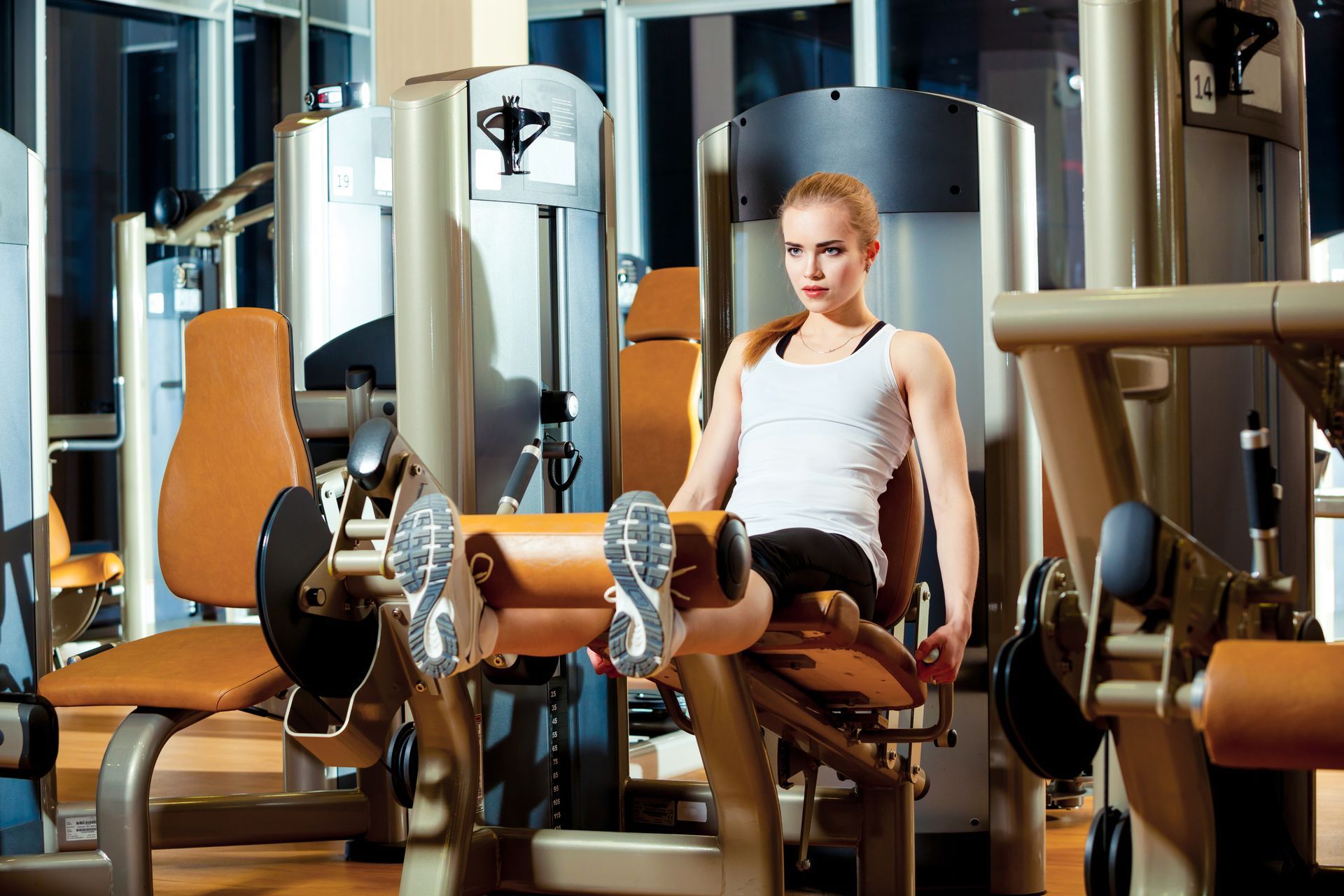
The cuff is inflated to a specific pressure with the aim of obtaining partial arterial and complete venous occlusion. The patient is then asked to perform resistance exercises at a low intensity of 20-30% of 1 repetition max (1RM), with high repetitions per set (15-30) and short rest intervals between sets (30 seconds). Pope et al, (2013).
The aim of BFR training is to mimic the effects of high-intensity exercise by recreating a hypoxic environment using a cuff. The cuff is placed proximally to the muscle being exercised and low intensity exercises can then be performed. Because the outflow of blood is limited using the cuff capillary blood that has a low oxygen content collects and there is an increase in protons and lactic acid, the same physiological adaptations to the muscle (eg release of hormones, hypoxia and cell swelling) will take place during the BFR training and low-intensity exercise as would occur with high-intensity exercise.
Wilson et al, (2013)
Basically, by restricting blood flow on the limb using a cuff, we can reduce the amount of blood flowing out of the limb, but still allow blood to flow in. When we combine this with very light exercise/loading – such as lifting a lightweight or even pedalling a bike, metabolites (what your muscles produce when they work) build up in the limb. This is beneficial, as BFR “tricks” your body into believing it is working harder than it actually is due to the presence of the metabolites.

In a rehabilitation setting such as at Chelmsford Physio clinic, inside Riverside leisure centre, this is vitally important as it allows us to achieve muscle strength/growth while not stressing damaged or vulnerable tissues (e.g. An arthritic knee, fractured ankle or post-surgical or ACL) but still get significant benefits.
Normally we would have to wait for these tissues to heal before being able to load them to achieve these benefits.
Who Could Benefit From Blood Flow Restriction (BFR) Training?
BFR is widely used with athletes and in gyms across the world. It is also commonly practiced with physiotherapists in clinics too, with the 3 main groups being:
1) Post-Operative Patients - Patients following surgery like an ACL reconstruction, Achilles repairs, knee replacements and many other operations. To goal is to get the muscles around the area working and strong as quickly as possible, but this can be difficult due to pain and so we struggle to put the necessary loads and forces through the area. However, by using BFRT we can use low load, not aggravate pain/symptoms, but still, significantly train the muscles around it appropriately.

2) The injured Athlete - If you have an injured athlete and want to get them back to their sport asap, BFRT can be a great tool. While an athlete is injured and can’t put high force through the injured area, we can use BFR to get high training effect at low load meaning we protect the injured area but still keep it strong.
3) Older Patients – who maybe suffer from arthritis or struggle to put a sufficient load through their tissues to improve their strength and symptoms. BFR again can be a great tool, to allow them to train with lighter/easier loads to get similar effects as training with higher/heavier loads and therefore see the necessary strength gains.
Is Blood Flow Restriction (BFR) Training Safe?
In short, yes, BFRT is actually very safe, just as safe as regular strength training in fact. But there are some people that cannot use BFR training, here’s a list of common things (not all things) that may exclude someone from being able to use BFRT:
- History of cardiac or vascular health issues, or severe varicose veins.
- Pregnancy.
- Active infection or open wounds.
Your physiotherapist will ask you many questions about your health prior to any BFR training to assess if it is appropriate for you.
At Chelmsford Physio, we specialise in the rehabilitation of everyone from international athletes to the older population having knee and hip replacements.
If you have any questions or would like some further advice, please don’t hesitate to get in touch.
Thank you for reading!
Chelmsford Physio
Riverside Leisure Centre, Victoria Rd, Chelmsford CM1 1FG