Life After Lockdown
Life After Lockdown
With 8 muscle injuries on Bundesliga return this weekend, we thought we would bring our Physio Brad's summary from the "Life After Lockdown" conference which all our physios attended online. Original link is here: https://physiobrad.co.uk/2020/05/07/life-after-lockdown/ but read on below to check out what we can expect and what we should be putting into place to help prevent injury on our return to activities like sport and work.
It’s probably true when they say life will never be the same again. However we don’t know. And that was the general consensus at last nights “Life after Lockdown” online bonanza hosted by the main man Prof Tony Kochhar, where a whole host of field leaders got together to discuss where we are, where we are going and what we can we do to maybe reduce the impact a bit.
“Focus on what we can control” was the message delivered by Mike Reinold and one I wholly agree with. Right now it is not a lot, but the worst thing we can do is try and micro manage certain aspects of life like the news. I see it everyday where people are glued to the numbers of deaths, positive cases etc etc, when although this is a very tragic and dangerous situation for all of us these numbers depend on so much; how deaths are coded, when they were reported, how many tests are carried out, right down to a simple number such as how many in the population, so although important to have an idea of the worldly goings on for safety, try to spend some time away from it as well, or it will eat away at you.
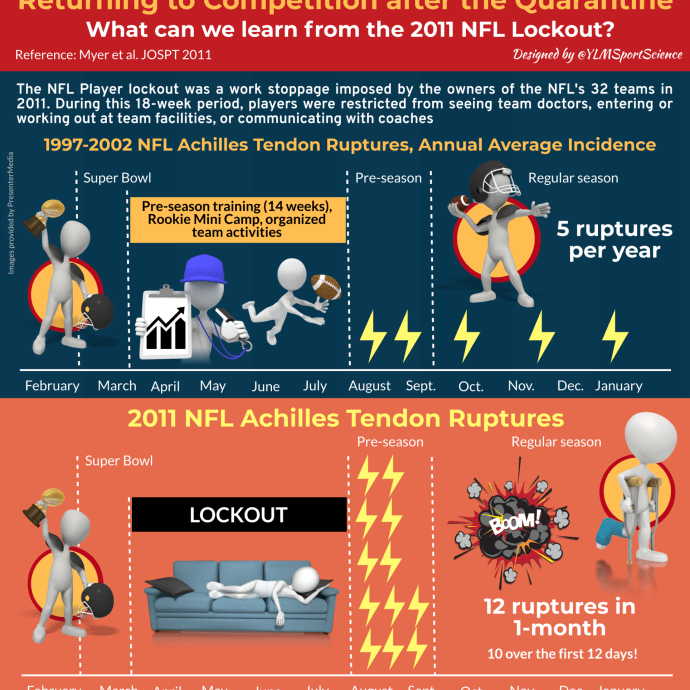
What do we mean by control what you can control. Well we are a group of medical, health, fitness and performance specialist so this involves a person’s or athlete’s well being and training. We have no data to tell us what to do during and after a pandemic to best prepare for a return to sport or a return to life. However, a few of the speakers discussed the Myer et al paper from 2011 after the NFL lockout where disputes over contracts led to an imposed work stoppage where players were not allowed access to facilities, or communicate with the medical team, strength and conditioning coaches or any coach.
Normally in an NFL season training camps, mini camps and organised team sessions start to begin around May and build towards a full start of pre season in July with the season started mid way through September. With the lockout, activity was restricted to a pre season start in August, with the season starting mid September.
Some historic data reported by Myer et al showed that between 1980-2001 there were approximately 4 achilles tendon ruptures a year; another study (including pre season and in season) showed that between 1997 and 2001 there were 5 per year; and more recently the NFL’s injury and safety committee average 8 achilles tears in a full season.
Following the lockout there were 12 ruptures in 1 month….10 over the first 12 days.
To put an achilles tear in context, 1/3 of of players who sustain an achilles tear never play again, the remaining 2/3 of players require approximately 11 months rehabilitation to return to play with 50% not reaching the same level (Parekh et al, 2009)
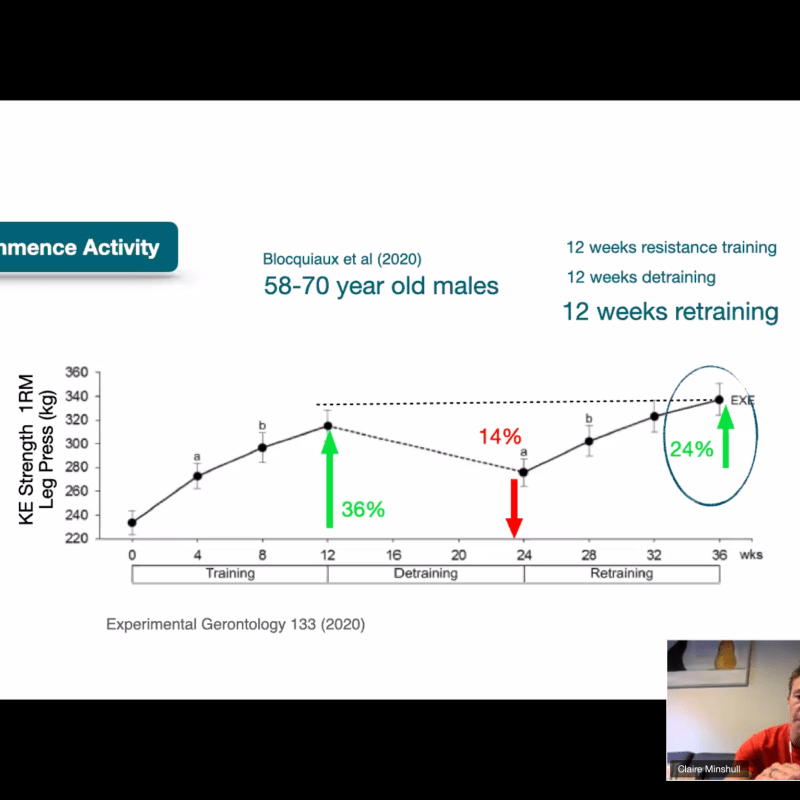
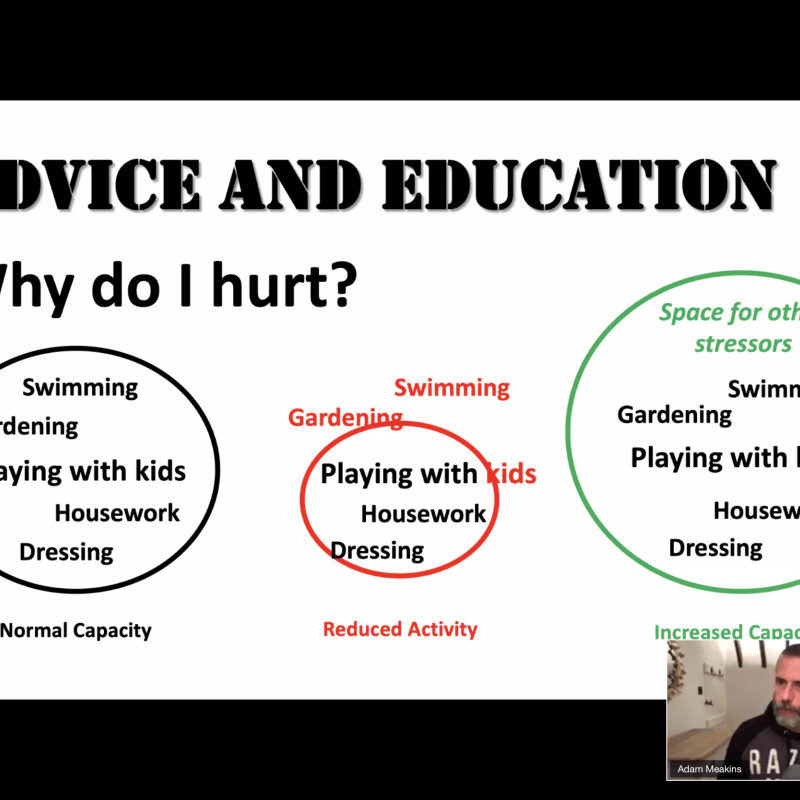
Just before some closing words, it is again good to echo some of these excellent speakers with most of those I have already mentioning plus Jarod Powell who delivered an excellent presentation based on well being, and that when we do start to return to what will be the new normal it is going to be a stressful time. There will no doubt be worries about job security and finances, the daily commute plus surrounding apprehension will be back, our time will be taken up again and that’s before we get to any fears around health therefore it is important we don’t add to these stressors with too much physical stress. As William and Alex mentioned, it is going to be important for gyms to be an outlet for stress and an “enhancer for stress resilience” and not the source of unnecessary stress.
What about Physio and the medical world?
This is going to look rather different, and it will be down to practitioners and clinics to decide when it is safe to open. As a physio who straddles the border of elite athletes and the general population, what we do does not fall into an urgent category. However, if it means we take some pressure off redeployed NHS staff or help get someone back to work then that would be a real positive. But how much of that can be done remotely? Quite a lot! As Adam Meakins stressed with the words of the late and great Louis Gifford “Effective reassurance is a bloody good painkiller”. There will be some tough decisions to make and we will continue to look at all options and listen to the government advice…and will be fully PPE’d up and ready to go when the time comes. Personally I think remote appointments will be here to stay. Yes I miss those personal interactions, the body language cues and the hand on the shoulder that this is going to be ok. But the convenience and success of remote working for people have been clear and may open up many different avenues for both professionals and clients…I saw someone from Scotland today which would have never happened had it not been for remote working.
And finally what about this wretched Covid-19? A guest appearance from an ex colleague of mine Rebecca Robinson was a perfect way to finish the night the way we started….we just don’t know. There are findings of inflammation and lesions in the lungs, some cardiac involvement in the form of myocarditis, some systemic inflammation and vascular reaction to Covid-19 so we need to be careful when easing our athletes or clients back into activity post Covid-19 diagnosis / symptoms. There seems to be a period of recovery of approximately 10 days, then another 7 for back to training. I have had one of my triathletes who tested positive and has returned to training. He described the symptoms as a bad flu for 48 hours. He returned to training at 9 days, and a week later was back to 5 sessions a week but only now, 7 weeks on from the symptoms does he feel ready to complete a full week of “normal” training. His wife who had symptoms at a similar time continues to have “crackles” on the lung, shortness of breath and a cough which is slowly improving but limiting her return to running. An indication of perhaps the longer lasting implications of Covid-19 and I am sure we will be looking at these implications for many more years to come.
Thank you to everyone that contributed to a great evening and best of luck to you all!
Our Physiotherapists, Sports Therapist and Sports Massage Practitioners are all on hand to hold online video consultations to assess, guide you through self treatment techniques and plan your rehab journey back to pain free full fitness from any injury whether that be a sports injury or a work from home related injury. To book in you can call us on 01245 895410 or email info@chelmsfordphysio.co.uk
When Is Too Much Sport Too Much? The Risks of High Training Loads in Skeletally Immature Adolescents