
Covid-19 & Online Video Consultations

Chelmsford Physio • February 1, 2021

“The greater the obstacle, the more glory in overcoming it” (Molière).


It is of course a difficult time at the moment because we have got nothing concrete in front of us, things change very quickly and weekly we are having to look at it and say ‘how do we do this differently. For us that is how we serve you differently. How can we provide you with the same high level of care for you injuries and pain, whether that be pain from sitting too much at a computer or a sports injury. 


For you it might be ‘how to I set up my desk for home working’ or ’how do I train? What does it look like?’. There needs to be a balance everywhere in our life at the moment, between not spending too much time at the desk but also not over doing it on the exercise. For our sporty individuals whether recreational or elite it is a balance between ensuring that we don’t decondition but also without knowing when competition or races are going to be the last thing we want to do is push and push and kill enjoyment and motivation. Especially when motivation at the moment for everyone is more about how they are, how their family are, relatives, the outside world. These are tough times which transcends many things which we are so accustomed to, and just being there for someone whether it’s emotionally or physically is all the motivation.


But when the competitions or races do come, when we get the all clear to go back to our lives, things will come think and fast, and we need to be ready, and that’s why we wanted you to know we are here for you. 

In the sporting world, everyone has switched to either an off-season or pre-season mode, and we all can do that in life as well. So what does that mean. It means this is the time to get yourself physically and mentally prepared for what lies ahead, and if you have any injuries or niggles, this is the time to get them sorted. Never have we before had such an abundance of time to dedicate to our rehabilitation. 


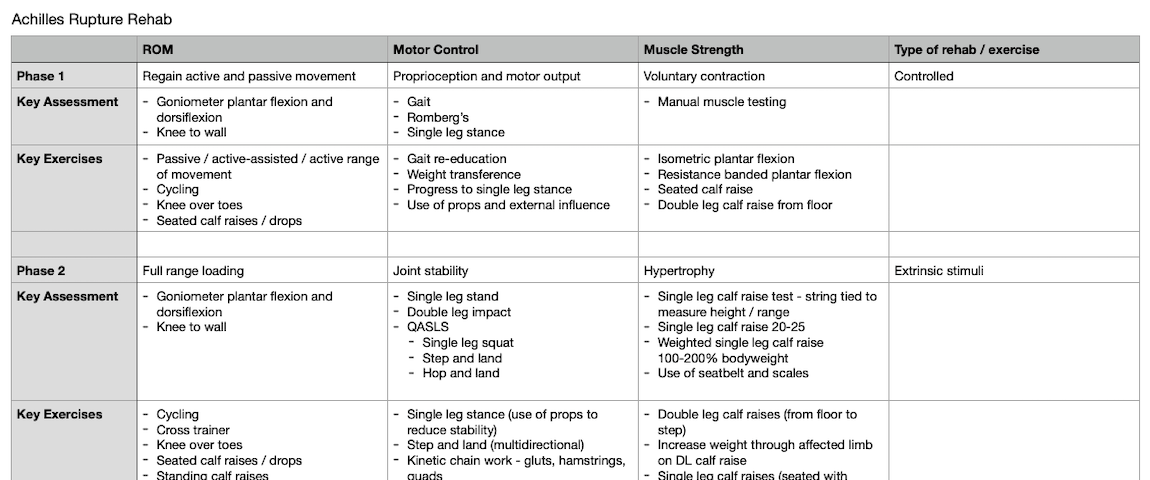
And the beauty of Physiotherapy and Sport Therapy is that 90-100% of what we do can be done online, over a video call. Physio often has an identity crisis whereby people perceive it and think that it has to be all hands on, when the truth is very far from that. Hands-on treatment only ever offers a short term pain relief and main pillar is planning and execution of the rehabilitation to get you moving, get stronger and improve your capacity to be able to tolerate what you want to be able to do, whether that be sitting at your desk for longer without pain, pick your kids up or trot out on to the rugby pitch. 


What an online consultation can offer: 


  1. Full history taking of your pain or injury 
  2. Full assessment, range of movement, strength / capacity tests and special tests that we use to come to a diagnosis can be performed by you over video, guided by us in the same way we would in clinic 
  3. Diagnosis 
  4. Advice on how to overcome pain and improve on injury 
  5. We will teach you how to self treat / self mobilise / self massage 
  6. Full progressive and staged recovery and rehabilitation plan based on your goals including exercise videos, weekly catch up and progression of exercises

So in my best political voice Stay at home, Protect the NHS, Save Lives….and if you are in pain or have an injury call Chelmsford Physio. 


Our Physiotherapists, Sports Therapist and Sports Massage Practitioners are all on hand to hold online video consultations to assess, guide you through self treatment techniques and plan your rehab journey back to pain free full fitness. To book in you can call us on 01245 895410 or email info@chelmsfordphysio.co.uk


By Chelmsford Physio August 11, 2026
Chelmsford Physio uses the VALD Dynamo — the world’s most advanced handheld strength and movement testing system for patients and athletes.
By Chelmsford Physio August 11, 2026
In modern physiotherapy, clinical expertise remains fundamental, but technology is transforming how we assess, monitor and guide rehabilitation. One of the most valuable innovations is the use of force plate technology, and at our clinic we utilise the VALD ForceDecks to provide objective, reliable data throughout a patient’s rehabilitation journey. Rather than relying solely on observation or subjective feedback, ForceDecks enable us to accurately measure how your body produces and absorbs force. This allows us to identify movement deficits that may not be visible to the naked eye, track progress over time, and make evidence-based decisions regarding exercise progression and return to activity. What are VALD ForceDecks? VALD ForceDecks are dual force plates that measure the forces generated through the feet during a wide variety of movements. Using highly sensitive load cells, they capture detailed information about strength, balance, power, asymmetries and movement strategies. Common assessments include: Countermovement jumps Squat assessments Single-leg balance testing Sit-to-stand testing Isometric strength testing Landing mechanics Hop testing for return-to-sport decisions Within seconds, the software analyses hundreds of metrics that provide clinicians with objective insight into a patient’s physical performance. Why Objective Assessment Matters Traditional physiotherapy assessments rely on observation, manual muscle testing and patient-reported symptoms. Whilst these remain valuable, they can miss subtle deficits that increase the risk of delayed recovery or re-injury. ForceDecks allow physiotherapists to quantify movement rather than estimate it. For example, following an ACL reconstruction, a patient may appear to squat evenly. However, ForceDecks often reveal significant offloading of the surgical limb, reduced eccentric control or delayed force production. These hidden compensations can then become specific treatment targets. Objective measurements also improve communication between clinician and patient. Seeing measurable improvements in strength or symmetry provides reassurance that rehabilitation is progressing, even when symptoms fluctuate. Monitoring Progress with Precision One of the greatest benefits of ForceDecks is the ability to track rehabilitation over time. Instead of simply asking whether someone feels stronger, we can measure improvements in: Peak force production Limb symmetry Rate of force development Jump height Landing forces Balance performance Weight distribution This enables rehabilitation programmes to be progressed based on measurable performance rather than arbitrary timelines. Improving Return-to-Sport Decisions Returning to sport too early remains one of the biggest risk factors for re-injury. Research has consistently demonstrated that persistent strength deficits and movement asymmetries can remain long after pain has resolved. ForceDecks help clinicians identify these deficits before an athlete returns to competition. Objective testing can assist with: Assessing readiness to return to running Evaluating landing mechanics Measuring explosive power Identifying left-right asymmetries Monitoring fatigue Reducing the risk of subsequent injury Rather than relying on a single test, ForceDecks contribute to a comprehensive return-to-performance assessment that combines physical capacity with clinical reasoning.
By Chelmsford Physio August 11, 2026
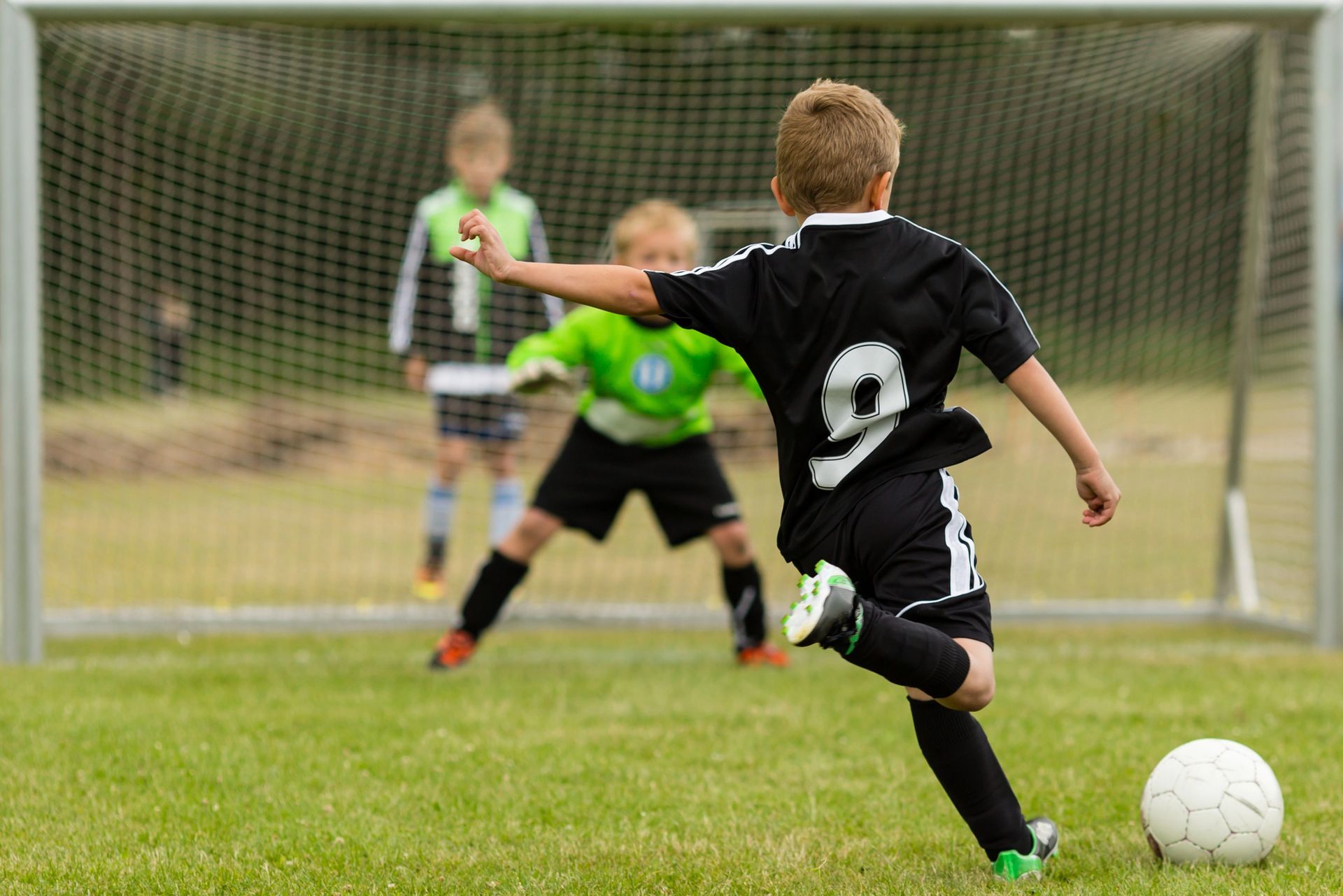
As pre-season gets underway, players across all levels of football and rugby are preparing for the demands of a long and physically challenging season. Whether you’re returning after a well-earned break, recovering from injury, or aiming to improve your performance, the weeks before competition begin are some of the most important in your sporting calendar. Many athletes focus solely on fitness and technical training during pre-season. However, ensuring your body is physically prepared is just as important. A comprehensive physiotherapy assessment can identify weaknesses, movement restrictions and performance deficits before they become injuries, allowing you to enter the season stronger, faster and more resilient. Why Pre-Season Preparation Matters  Football and rugby place significant demands on the body. Players are required to accelerate, decelerate, sprint, change direction, jump, land, tackle and absorb contact repeatedly throughout a match. Following the off-season, reductions in strength, power, aerobic fitness and neuromuscular control can increase the likelihood of injury if training loads increase too quickly (Gabbett, 2016). Common injuries seen during the early part of the season include: Hamstring strains Calf injuries Groin pain Ankle sprains Knee ligament injuries Quadriceps strains Shoulder injuries (particularly in rugby) Preparing your body before the competitive season begins can significantly reduce these risks.