
Working in Formula 3- How can we apply it to Chelmsford Physio?
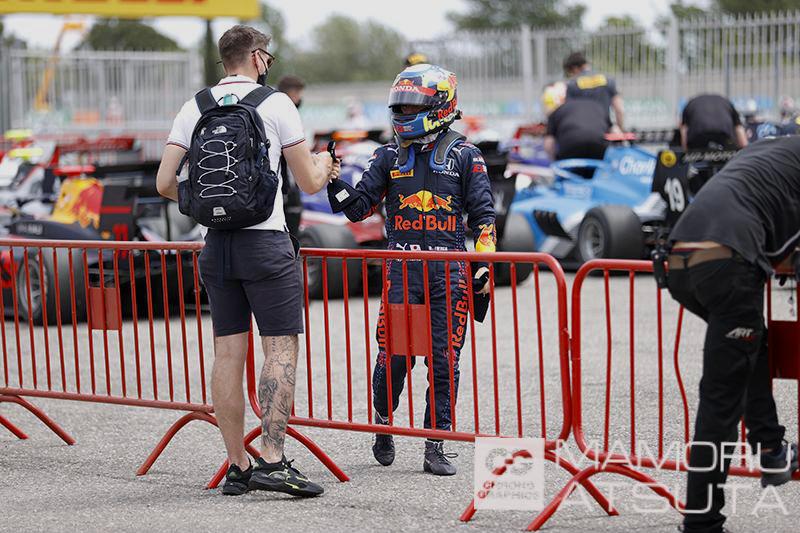
I am extremely proud to introduce my new role within Formula 3 working with Red Bull Junior Driver Ayumu Iwasa has been a fantastic opportunity to not only delve into a sport I love but also to reflect on my general practice and I hope this blog explore a little of what I do but also how I apply it to my clinics. Our season varies from formula one. It is staged over 7 rounds all over the world always alongside F1 but with less frequency. The cars are still frighteningly quick however lack some of the more expensive manufacturing freedoms which keep costs down. With a different format of driving, to highlight young drivers talent and to show who may be ready to make the step up, with every race being in front of the watching F1 eyes it provides fast paced exciting action.
So what is a performance Coach?
My role is a mixed one, but plain and simple its ensuring we create an environment for the driver to deliver results time after time.
Away from track my primary role is Strength and conditioning. Developing training plans to ensure we work on my Drivers physical fitness and ability to cope with his environment. Formula racing requires prolonged periods of extreme concentration whilst maintaining high heart rate readings throughout the race which is extremely challenging when processing thousands of pieces of data every second. We also analyse other areas of the drivers skills including co-ordination, mental toughness, nutrition and sleep. Most of this will be guided by me but at Red Bull we have a world leading facility in Austria to help fine tune any areas we wish to focus on.
At the track I am the drivers right hand man. We stay in the same hotel, eat together travel together and look after any pre race routines he may have. Obviously with my Physiotherapy background we may also have to utilise these skills at times.
How do you choose your programme?
Very much like we would do in clinic this is completely unique to every individual, patient or driver. In my environment a lot is determined at pre season testing. We highlight strengths and weaknesses and set plans to ensure we maintain our strong qualities and begin to improve upon any highlighted weaknesses. This process is not dictated by myself but something that me and the driver need to be in agreement. This is very important to make sure we have mutual understanding and working towards the same goal with the ultimate shared goal TO WIN!
How does an elite sport role apply to the general public?
Surprisingly closely actually, everyone is quick to say what relevance does it have! Every patient I see in clinic young to old I apply these skills DAILY. To think about your consultation I like to break it down.
What is your issue?- The Physio skills come out here in terms of assessing and diagnosing what the issue may be and how we overcome the problem.
What are your Goals? - What is your end goal and how do we get there. Are we both on the same page in terms of what you want to achieve, how fast and how are we going to get there. Its important that you and your physio not only discus these elements but understand them and agree.
Expectations? In sport this is such a key area as it is in clinical practice. As you can imagine if a team wants a driver to win a championship but that driver maybe wants to finish top 10 we can see those goals are not aligned and at some point are going to lead to a relationship breakdown. This would also happen in clinic so expectations with your physio and treatment are key and something we ask EVERY patient. Are you expecting hands on, are you expecting to be back to football in two weeks… you can see where I am going with this. So again if both you and your physio have agreed the realistic expectation of the consultation its going to lead to a great Physio process.
Getting the job done- End Of Story - In elite sports its a fairly cut throat environment especially with such a large team. We strive for absolute excellence. This doesn’t change when we come back to clinic, and if you’ve ever seen us in the past we don’t settle for OK. My role as a Physio is to ensure excellence for all my patients, its not just a massage or a quick bit of guidance physiotherapy for me is a process of rehabilitation right the way back to a task/sport/goal from beginning to end. More often than not this approach works well for our patients and we see fantastic results giving patients confidence and knowledge to move forward. And at times when things don’t go to plan we have a fantastic team of colleagues be it our Sports Doc, podiatrist or GP’s locally to us in chelmsford it means we can offer excellence across the board. This environment is no different to what I would have with my driver and you can see the similarities that general practice offers.
I hope the blog was useful and offered a good comparison. If you do have any issues do not hesitate to reach out and find out more.
Matt Murray-Downing

When Is Too Much Sport Too Much? The Risks of High Training Loads in Skeletally Immature Adolescents