Can ACL Injuries Self-heal and Can you Become a ‘Coper’ ?
Do you always need surgery after your ACL injury?
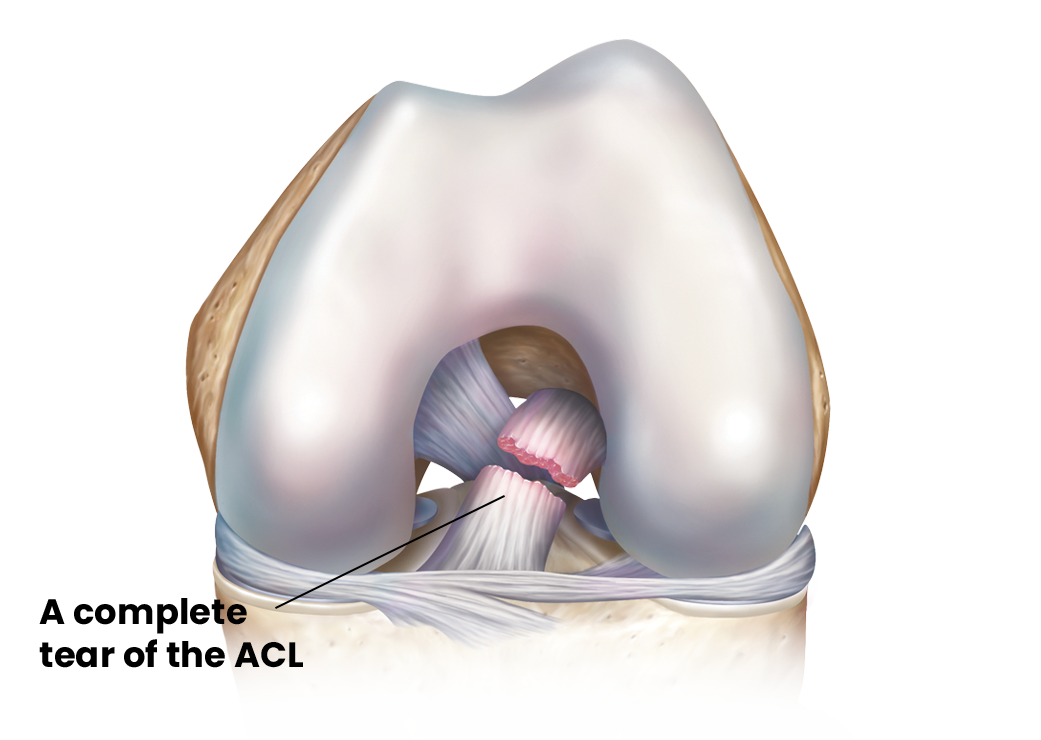
For many years it was believed that the only way to return to sport following an ACL injury was to have surgery. We believed that the knee would be unstable and continue to give way. We also believed that this instability would lead to increased arthritis and ultimately end in an early knee joint replacement as a result.
Well, we know a lot more now and things are changing as a result!
In a high quality randomised controlled trial back in 2010, by Frobell et al with minimal loss to follow-up, a strategy of rehabilitation plus early ACL reconstruction did not provide better results at five years than a strategy of initial rehabilitation with the option of having a later ACL reconstruction. Results did not differ between knees surgically reconstructed early or late and those treated with rehabilitation alone. These results should encourage clinicians and young active adult patients to consider rehabilitation as a primary treatment option after an acute ACL tear.
In 2012, Costa Paz et al proposed that patients could manage or cope without ACL reconstruction. Their observational study found that ACL injuries could spontaneously heal after rupture. Therefore natural healing could occur and thus avoid the need for ACL surgery. This has been researched further since, with stronger studies backing this reported finding.
The seminal Knee Anterior Cruciate Ligament, Nonsurgical versus Surgical Treatment (KANON, 2013) trial found that non-operative treatment of rupture of the ACL with exercise was successful in at least half of patients.
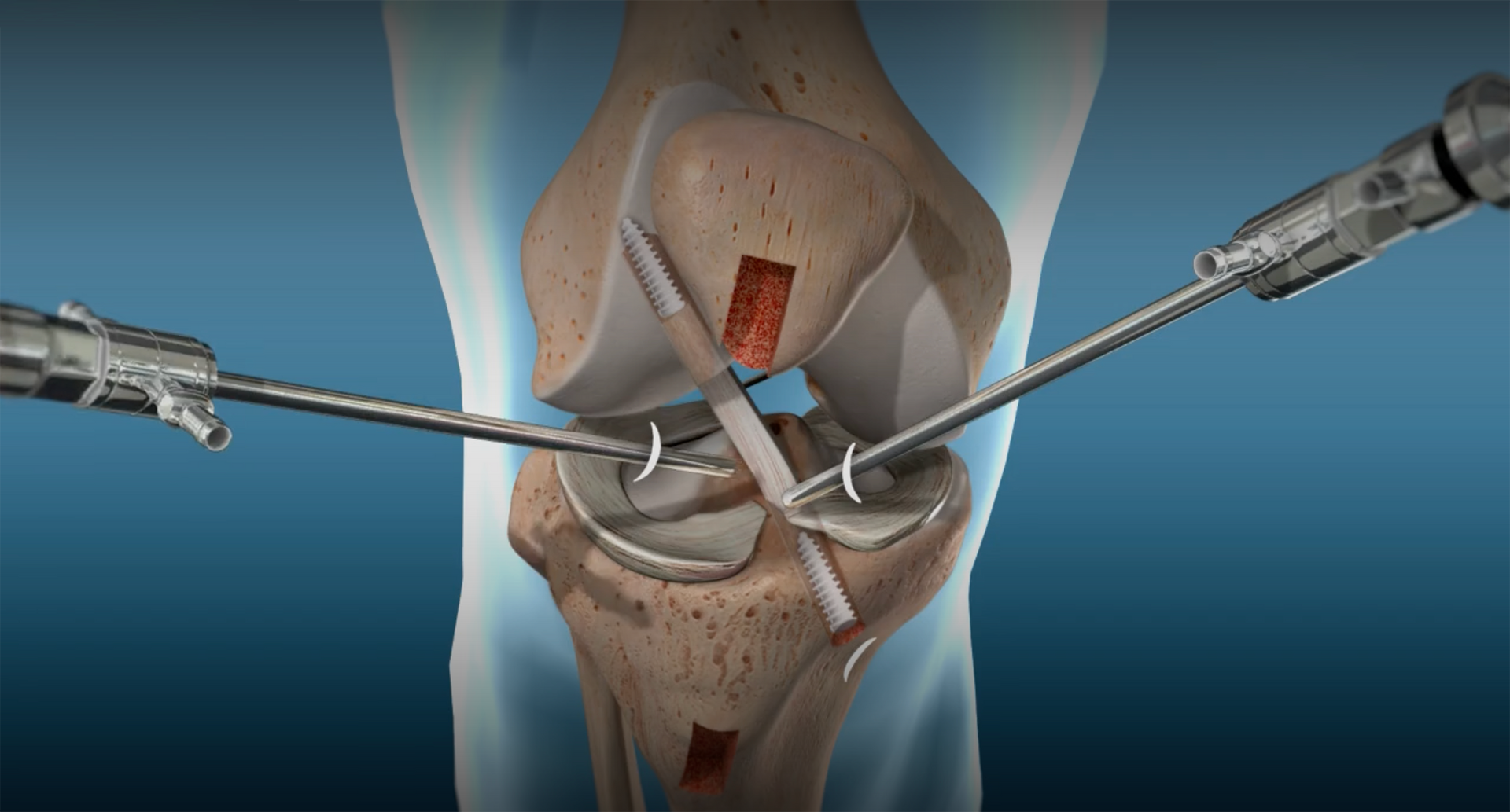
However, there has been a significant rise in ACL reconstruction in the UK as well as worldwide, year on year. Therefore, are we moving in the right direction and is this the best option if you injure your ACL ?
Don’t get me wrong here, ACL reconstruction works and works best with the right pre-operative pathway. The evidence is there to support the option for surgical reconstruction of the injured ACL. However, the vast amount of papers on ACL management every year appear to focus on ACL reconstruction, and not very many have focused on the surgery vs rehabilitation debate. So we must base any decisions on the best available evidence, ensuring that there is shared decision making with every injured athlete and ensuring fully informed consent is included. There are different treatment options & choices, and various pathways to go down. Like all things, there is no one size fits all and there is plenty of grey.
In professional sport there is probably a different conversation, when it comes to an athletes career and their potential income or loss of it, the choice is nearly always for ACL reconstruction as soon as possible. However, for many other athletes there are ways to cope and avoid surgery and the 12 month post-op rehabilitation that should follow ACL reconstruction before returning to sport.
Its important to note that ACL reconstruction does not prevent you from developing arthritis in your knee. It’s the injury that counts, and has the effect on arthritis not whether you chose to have surgery or not. 10 year follow up studies, show no significant difference in arthritis between knee’s who were reconstructed and knee’s that were managed non-operatively.
Are you a "Coper"
Currently, the best definition of a ‘Coper’ is provided by Wellsandt et al (2018), following on from the work by Hurd et al (2008). The 4 points below are based on hop tests, questionnaires and the reported episodes of true giving way.
- A timed hop score of 80% or more of the other side
- A KOS-ADLS score of 80% or more
- A GRS of 60% or more
- 1 or less episodes of giving way since the injury
In a prospective cohort study by Grindem et al (2015) those that underwent a 5 week pre-operative rehabilitation program fared better in all Knee Osteoarthritis Outcome Score (KOOS) subscales (Pain, ADLs, Sports and QoL) in comparison to a control cohort.
This is not a static label and can change with rehab, in as quick as 5 weeks. This also demonstrates a win-win outcome, from engaging in a rehabilitation program no matter what pathway you chose.
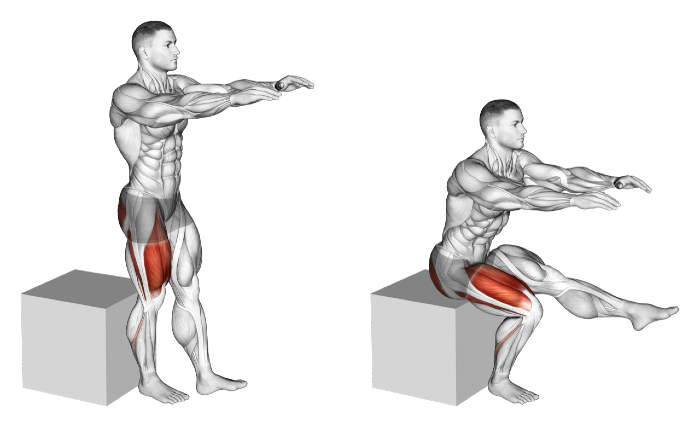
If you have suffered an ACL injury, there are different choices, options and pathways. The take home message here is we need to do more to educate and inform athletes who injure their ACL and want to get to sport. ACL reconstruction may the best option for some, but for others it may be that we try a 5-12 week structured and specific knee rehabilitation program and see if they can be a “Coper’.
At Chelmsford Physio we specialise in the rehabilitation of all types of knee injuries pre-operatively and post-operatively, as well as non-operative management. We see lots of athletes following an ACL injury and we pride ourselves on the quality of rehabilitation we provide in the fantastic gym we work out of. We work together with some of the best knee surgeons, so as needed, we can liaise together to give you all of your options.
If you have any questions or would like some further advice, please don’t hesitate to get in touch.
Chelmsford Physio
Riverside Leisure Centre, Victoria Rd, Chelmsford CM1 1FG