5 Top Tips for Training in the Winter Months

Chelmsford Physio • November 25, 2025

Next years success is built off this years winter training 


Training during the winter months can be challenging due to cold weather, shorter days, and often treacherous conditions. However, with the right strategies, you can maintain your fitness routine and even enjoy the unique aspects of winter training.


Here are five top tips to help you stay motivated and safe while training in the cold.


1. Layer-Up


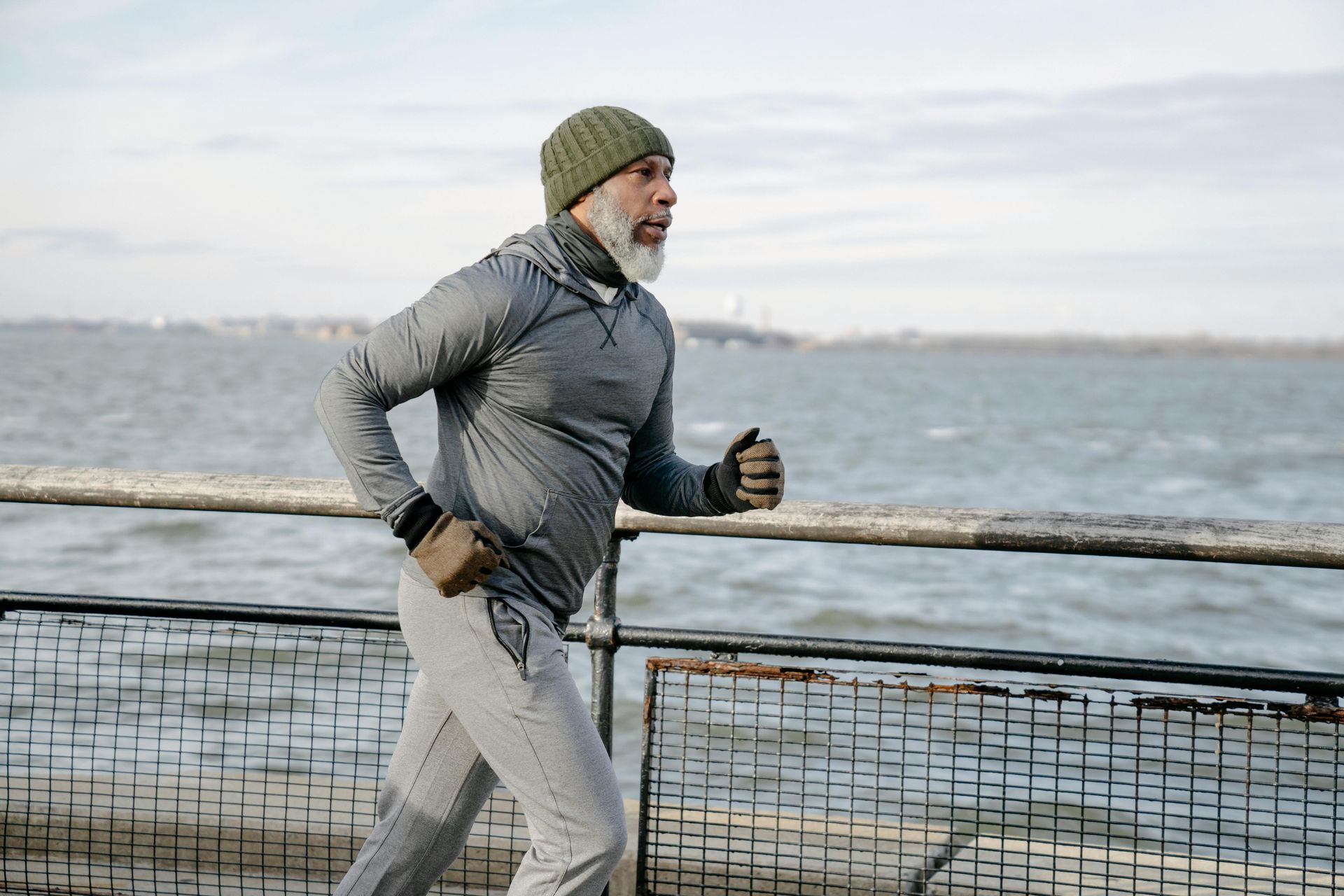
One of the most critical factors in winter training is how you dress. Wearing multiple layers allows you to regulate your body temperature effectively. 


  • Base Layer: Start with a moisture-wicking base layer to keep sweat off your skin.
  • Insulating Layer: Add an insulating layer (like fleece or wool) to trap heat.
  • Outer Layer: Finish with a waterproof and windproof shell to protect against the elements.


Remember to also wear accessories such as gloves, hats, and thermal socks, as extremities are often the first to feel the chill.



2. Warm-Up Thoroughly


Cold muscles are more prone to injury, so a proper warm-up is essential. Spend extra time warming up your muscles before heading out. Try dynamic stretches and movements that mimic your training activity to increase blood flow and flexibility. 


  • Examples: Leg swings, arm circles, and light jogging can help prepare your body for the workout ahead.


3. Adjust Your Training Schedule


With shorter daylight hours, it’s crucial to plan your workouts wisely. Consider training during the warmest parts of the day—typically late morning or early afternoon. 


  • Safety First: If you must train in the early morning or evening, ensure you wear reflective gear and consider using a headlamp or flashlight to improve visibility and safety.


4. Stay Hydrated


It’s easy to forget about hydration when it’s cold, but your body still loses moisture through sweat and respiration. 


  • Hydration Strategy: Carry a water bottle, and aim to drink fluids before, during, and after your workout. Consider warm beverages like herbal tea or electrolyte drinks to keep your body hydrated and warm.


5. Embrace Indoor Alternatives


Sometimes, the weather can be too harsh for outdoor training. Embrace indoor alternatives to maintain your fitness routine without risking your safety. 


Options Include: 


  • Gym Workouts: Utilise treadmills, stationary bikes, or group fitness classes.
  • Home Workouts: Explore online workout videos or apps that offer strength training, yoga, or cardio workouts you can do at home.
  • Bonus Tip: Stay Positive and Have Fun!


Winter training can be an opportunity to explore new activities, such as snowshoeing, skiing, or winter hiking. Embrace the season and focus on the unique experiences it offers.


Conclusion


Training in the winter months presents its challenges, but with the right strategies, you can stay active and enjoy your workouts. By dressing appropriately, warming up thoroughly, adjusting your schedule, staying hydrated, and exploring indoor alternatives, you can maintain your fitness and even find joy in winter training. So bundle up, head out, and make the most of the season!


Chelmsford Physio

hello@chelmsfordphysio.co.uk

01245 895410

Riverside Leisure Centre, Victoria Rd, Chelmsford CM1 1FG

By Chelmsford Physio July 29, 2026
Athletes competing in hot and humid environments face significant physiological challenges that can impair performance and increase the risk of heat-related illness. From marathon runners in tropical climates to footballers playing summer tournaments, the ability to tolerate and perform in high temperatures is a critical component of elite sport. As a result, many athletes use structured heat acclimatisation strategies to prepare their bodies for environmental stress.  What Is Heat Acclimatisation? Heat acclimatisation refers to a series of physiological adaptations that occur when an athlete is repeatedly exposed to hot conditions during training. These adaptations typically develop over 7–14 days and help the body improve its ability to regulate temperature, maintain performance, and reduce cardiovascular strain during exercise in the heat. Common methods include: ● Training in hot environments (natural or artificial heat chambers) ● Passive heat exposure (saunas or hot water immersion post-training) ● Adjusting clothing to increase thermal load during sessions ● Gradual exposure to increased environmental temperatures The goal is to safely stress the thermoregulatory system so the body becomes more efficient at dissipating heat.
By Chelmsford Physio July 29, 2026
Ice baths, also known as cold water immersion (CWI), have become a common recovery strategy among elite athletes, particularly footballers. From Premier League changing rooms to Olympic training camps, many professionals immerse themselves in cold water after intense matches and training sessions. While the sight of players sitting in freezing water may seem extreme, there is growing scientific evidence explaining why this recovery method is so widely used. What Is an Ice Bath? An ice bath typically involves immersing the body (or lower limbs) in water between 10–15°C for 10–15 minutes shortly after exercise. The aim is to promote recovery by reducing muscle soreness, inflammation and fatigue, allowing athletes to perform consistently during periods of heavy training or competition. Why Do Footballers Use Ice Baths? Football is a physically demanding sport involving repeated sprinting, jumping, tackling, rapid changes of direction and high-impact collisions. These actions create microscopic muscle damage and trigger an inflammatory response. Cold water immersion is commonly used because it may help: ● Reduce delayed onset muscle soreness (DOMS) ● Minimise post-exercise swelling ● Decrease perceptions of fatigue ● Improve recovery between matches ● Maintain performance during congested fixture schedules For professional footballers playing two or three matches per week, rapid recovery is often as important as training itself. 
By Chelmsford Physio July 29, 2026
The FIFA World Cup is a unique tournament environment: elite athletes compressed into a short, high-stakes schedule, with repeated sprinting, sudden acceleration/deceleration, frequent collisions, and often limited time for full tissue recovery. It’s not surprising that the injury pattern in football tends to cluster around the lower limb—particularly the hamstrings, groin/hip-adductors, knee, and ankle. Across football research more broadly, these are repeatedly identified as the most common locations and/or injury mechanisms, even if the exact percentages differ by competition and injury-reporting method. Below is a physio-focused overview of the most common injury “types/regions” you should expect to see at World Cup 2026, along with practical assessment and management themes. 1) Muscle strains—especially hamstrings (HSI)  Why they happen in tournaments: Hamstring strain injuries (HSIs) are strongly associated with high-speed running and the physical demands of sprinting mechanics. In injury surveillance and football epidemiology, hamstring injuries consistently appear among the most common soft-tissue problems, with meaningful recurrence risk. What a physio will look for: - History: onset during acceleration/sprinting, feeling of “pull,” bruising (sometimes). - CNS/tissue considerations: prior injury, training load spikes, inadequate sprint exposure progression. - Clinical exam: focal tenderness, resisted muscle testing, and functional tests aligned to your local protocols (e.g., pain-free activation and lengthening tolerance). Rehabilitation themes: - Restore capacity for high-speed eccentric/concentric demands (not just range of motion). - Use progressive loading and functional return-to-play criteria to address reinjury risk—because football research highlights that the hamstring is one of the most frequently reinjured regions.