The Role of Physiotherapy in Laryngeal Disorders & TMJ Dysfunction for Singers, Coaches, and Teachers
As a singer, coach, or teacher, your voice is your most vital tool. However, issues related to the larynx or temporomandibular joint (TMJ) can hinder your vocal performance, causing discomfort and impacting your ability to communicate effectively.
Understanding Laryngeal Disorders
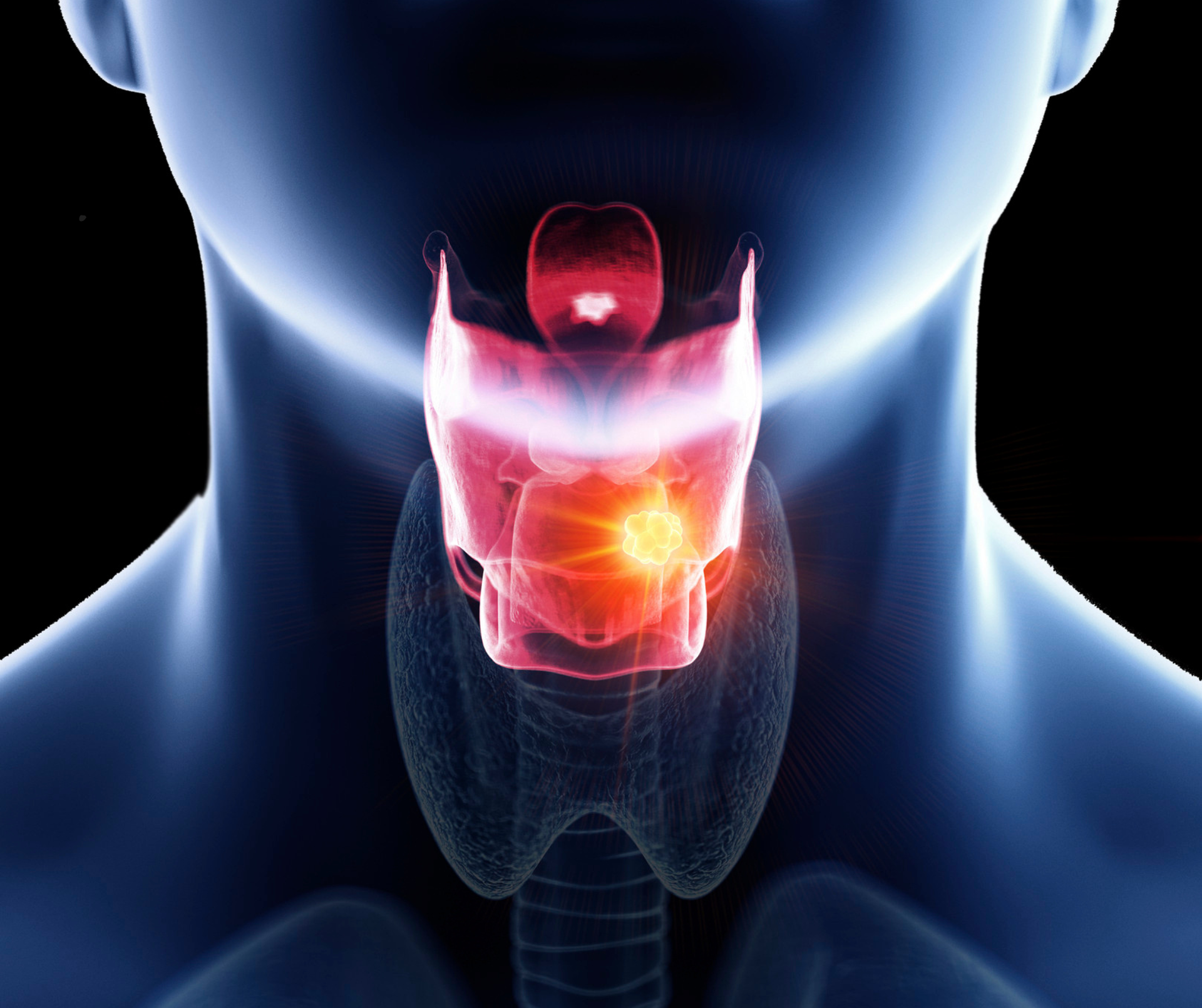
Laryngeal disorders can arise from various causes, including trauma, neurological conditions, overuse, disease, or infections. Common issues include vocal cord nodules, odema, and paralysis. These conditions can lead to hoarseness, voice loss, and swallowing difficulties.
Understanding TMJ Dysfunction
TMJ dysfunction occurs when there are problems with the jaw joint and surrounding muscles. Symptoms can include pain in the jaw, neck, and head, difficulty opening the mouth, clicking or popping sounds, and even earaches. These issues can significantly affect vocal quality and range, making it crucial for those who rely on their voices to address them promptly.
The Physiotherapy Approach
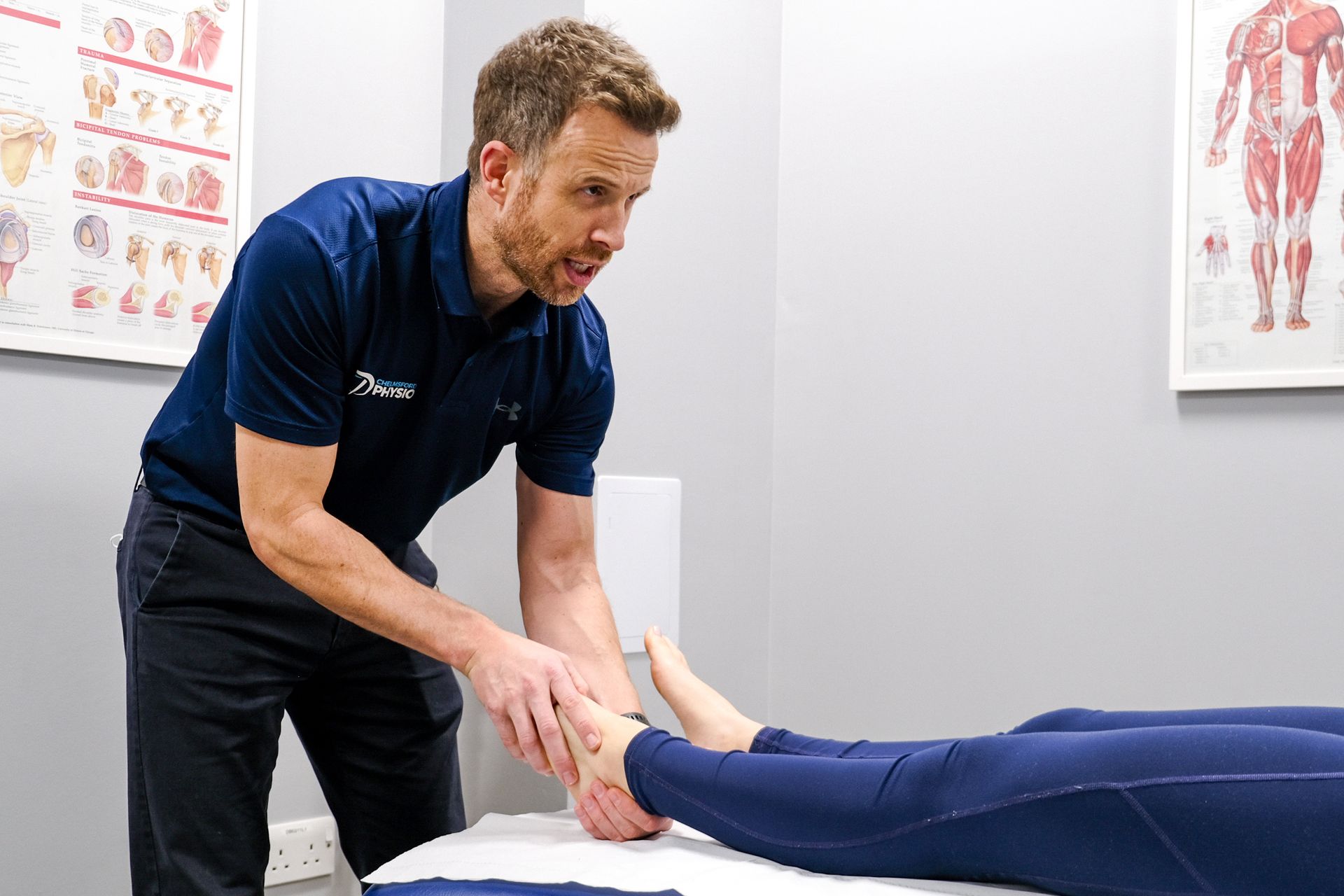
Physiotherapy offers a holistic method to manage your Larynx & TMJ dysfunction, focusing on hands-on assessment and treatment to alleviate pain and restore proper function.
Here’s how physiotherapy can help:
1. Comprehensive Assessment:
A qualified physiotherapist will begin with a thorough assessment of your Larynx & TMJ, including:
Posture Evaluation: Understanding how posture affects jaw alignment and tension in surrounding muscles.
Range of Motion Tests: Assessing how well you can open your mouth and move your jaw from side to side.
Muscle Palpation: Identifying areas of tenderness or tightness in the jaw, neck, and head.
2. Hands-On Treatment Techniques:
Once the assessment is complete, physiotherapists employ various hands-on techniques, such as:
Joint Mobilisation: Gentle movements to restore normal function to the TMJ.
Soft Tissue Release: Techniques aimed at relieving tightness in the jaw and neck muscles, improving flexibility and reducing pain.
Myofascial Release: A method targeting the fascia surrounding muscles to promote relaxation and reduce tension.
3. Intraoral Techniques:
For more targeted relief, physiotherapists may use intraoral techniques. This approach involves:
Intraoral Massage: Direct massage of the muscles inside the mouth can help release tension and improve muscle function.
Trigger Point Therapy: Identifying and releasing specific points in the muscles to reduce pain and discomfort.

4. Tailored Exercise Programs
Post-treatment, physiotherapists will create customised exercise programs designed to strengthen jaw muscles, improve flexibility, and enhance overall function. These exercises may include:
- Jaw Range of Motion Exercises: To gradually increase mobility.
- Stretching Exercises: To improve flexibility and reduce tightness in the jaw and neck.
- Strengthening Exercises: Targeted workouts to stabilise the jaw and surrounding muscles.
5. Education and Self-Care
An essential aspect of physiotherapy is educating clients about self-care techniques to manage their Larynx & TMJ dysfunction. This may include:
Postural Training: Learning proper posture to minimise jaw strain.
Stress Management: Techniques such as breathing exercises or relaxation strategies to reduce muscle tension.
Voice Care Tips: Specific advice for singers and speakers on how to maintain vocal health.
Conclusion
TMJ dysfunction can be a formidable challenge for anyone who relies on their voice. However, with the support of physiotherapy—including hands-on assessment, targeted treatment, and tailored exercises—you can reclaim your vocal power. If you're a singer, coach, or teacher experiencing difficulties, consider seeking the assistance of a physiotherapist specialist. Your voice deserves to be heard!
By integrating physiotherapy into your routine, you can not only alleviate symptoms but also enhance your vocal performance, allowing you to communicate with clarity and confidence. Don’t let these issues silence your voice—take action today!
To book your consultation for Laryngeal Disorders & TMJ Dysfunction for singers call us on: 01245 895410