2024 Paris Olympics: Team GB & Ireland Highlights

Chelmsford Physio • August 27, 2024

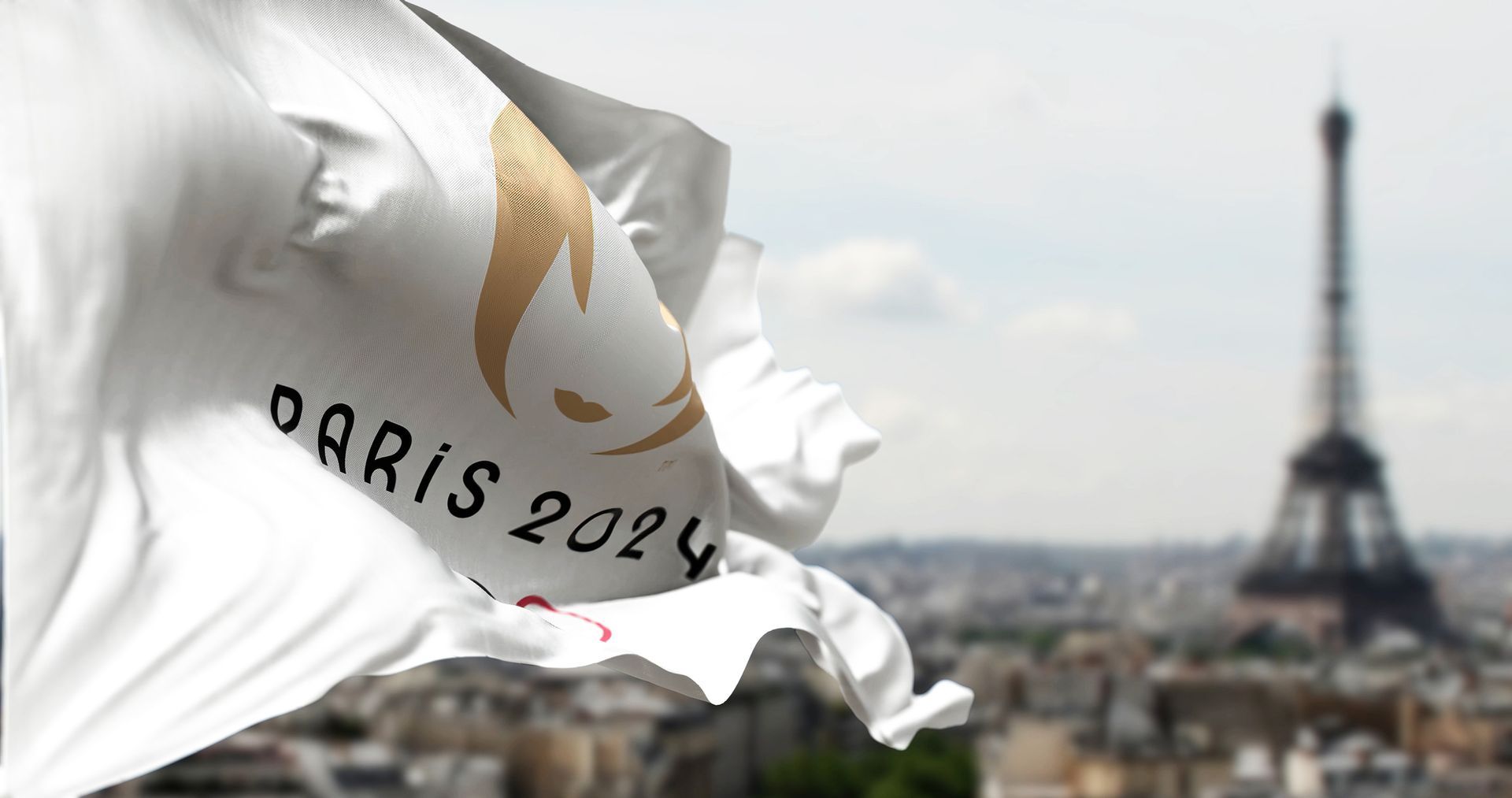
Team GB & Team Ireland both had a remarkable performance at the 2024 Paris Olympics, achieving significant milestones and delivering memorable moments across various sports. Here are some of the key highlights:

Historic Milestones ๐Ÿ‡ฌ๐Ÿ‡ง ๐Ÿ‡ฎ๐Ÿ‡ช

Team GB celebrated reaching the significant milestone of 1,000 Olympic medals during these Games, marking their sustained excellence at the Olympics over the years.


Tom Pidcock's Double Gold: ๐Ÿด๓ ง๓ ข๓ ฅ๓ ฎ๓ ง๓ ฟ ๐Ÿšด๐Ÿฅ‡

Tom Pidcock stood out by defending his Olympic title in mountain biking, overcoming a tyre puncture in a dramatic race. He also competed strongly in the men's road race, reinforcing his status as one of Britain's top cyclists.


Swimming Success & Tom Daley's Retirement: ๐Ÿด๓ ง๓ ข๓ ฅ๓ ฎ๓ ง๓ ฟ ๐Ÿด๓ ง๓ ข๓ ณ๓ ฃ๓ ด๓ ฟ ๐ŸŠ‍โ™‚๏ธ๐Ÿฅ‡

The British men's 4x200m freestyle relay team, consisting of Matt Richards, Duncan Scott, Tom Dean, and James Guy, secured gold, adding to the nation's swimming dominance. This Olympics also saw the retirement of Tom Daley, a decorated diver and a beloved figure in British sports, who concluded his illustrious career with a silver in the men's 10m synchronised diving event alongside Noah Williams. Daley's retirement marked the end of an era for British diving, as he left the sport after participating in four Olympic Games and winning multiple medals.


Keely Hodgkinson’s 800m Victory:  ๐Ÿด๓ ง๓ ข๓ ฅ๓ ฎ๓ ง๓ ฟ๐Ÿฅ‡๐Ÿƒ‍โ™€๏ธ

Keely Hodgkinson shone in the women's 800m, winning gold in a thrilling race that saw her execute a perfectly timed sprint in the final stretch, securing her place as one of Team GB's standout athletes of the Games.


Josh Kerr’s Battle in the Men’s 1500m: ๐Ÿด๓ ง๓ ข๓ ณ๓ ฃ๓ ด๓ ฟ๐Ÿฅˆ๐Ÿƒ‍โ™‚๏ธ

Josh Kerr faced off against Norway’s Jakob Ingebrigtsen in an intense 1500m final. Kerr secured a silver medal in one of the most competitive middle-distance races of the Olympics, narrowly missing out on gold but delivering a performance that captivated fans.


The Closest Men’s 100m Final: ๐Ÿƒ‍โ™‚๏ธ

The men’s 100m final in Paris was one of the closest in Olympic history, with the top three finishers separated by mere milliseconds.


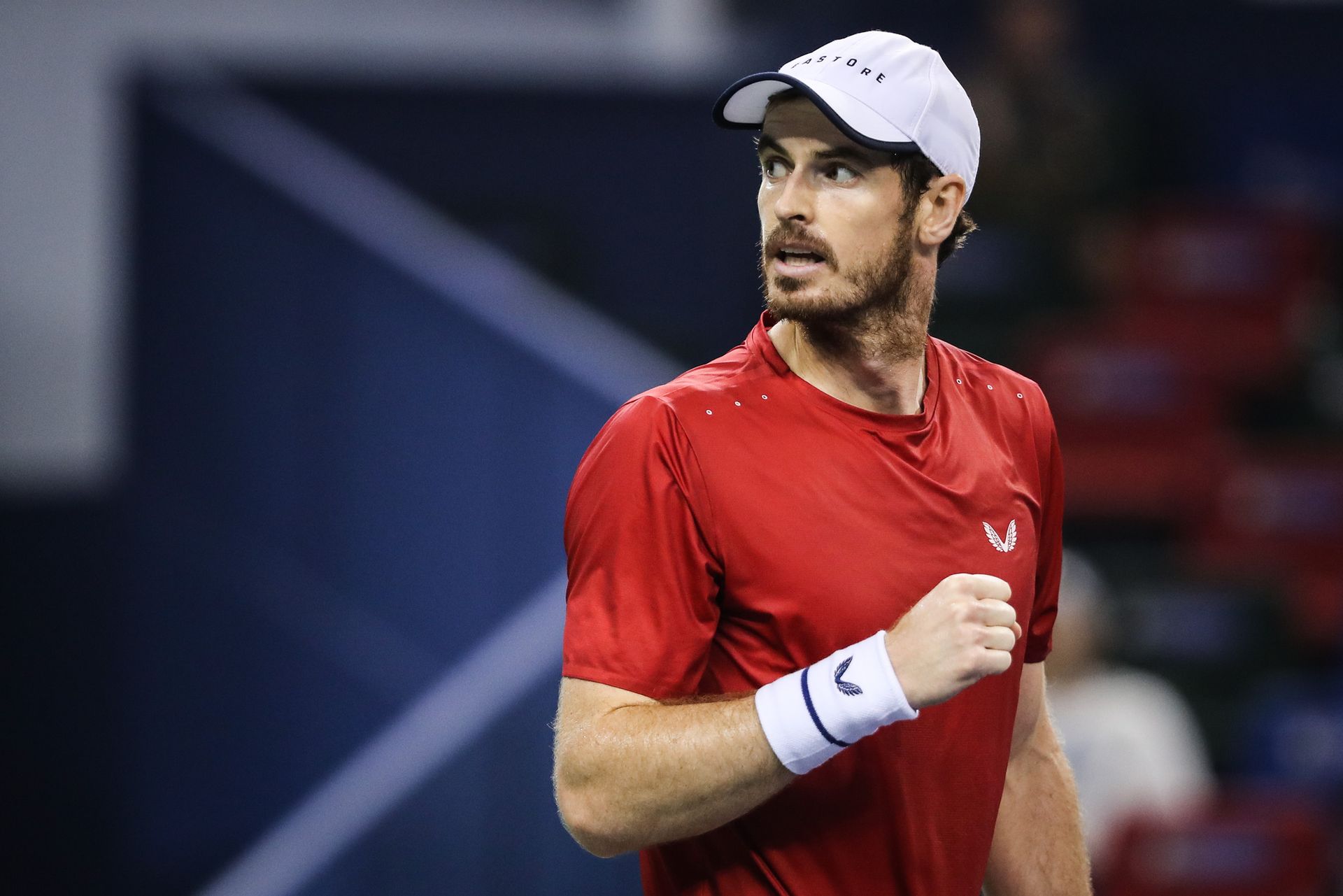
Andy Murray's Farewell: ๐Ÿด๓ ง๓ ข๓ ณ๓ ฃ๓ ด๓ ฟ ๐ŸŽพ ๐Ÿ‘‹

Sir Andy Murray made his final Olympic appearance, competing in the men's doubles. Although he didn't secure a medal, his presence was a significant moment as he retired from Olympic competition after a legendary career.

Katarina Johnson-Thompson's Silver: ๐Ÿด๓ ง๓ ข๓ ฅ๓ ฎ๓ ง๓ ฟ๐Ÿƒ‍โ™€๏ธ๐Ÿฅˆ

In athletics, Katarina Johnson-Thompson secured her first Olympic medal, a silver in the heptathlon, overcoming years of injuries and near misses.


Irish Success at the 2024 Paris Olympics: ๐Ÿ‡ฎ๐Ÿ‡ช

Ireland celebrated its best-ever performance at the Olympics, securing four gold medals, an incredible achievement for the nation. The golds came across a variety of sports: in swimming, where they stunned the field; in rowing, continuing their strong tradition; in gymnastics, with a breakthrough performance; and in boxing, where they upheld their proud legacy. This remarkable achievement marked a significant moment in Irish sporting history, showcasing the country's growing strength across multiple disciplines.


For more information check out the below resources:


By Chelmsford Physio July 29, 2026
Athletes competing in hot and humid environments face significant physiological challenges that can impair performance and increase the risk of heat-related illness. From marathon runners in tropical climates to footballers playing summer tournaments, the ability to tolerate and perform in high temperatures is a critical component of elite sport. As a result, many athletes use structured heat acclimatisation strategies to prepare their bodies for environmental stress. ๏ปฟ What Is Heat Acclimatisation? Heat acclimatisation refers to a series of physiological adaptations that occur when an athlete is repeatedly exposed to hot conditions during training. These adaptations typically develop over 7–14 days and help the body improve its ability to regulate temperature, maintain performance, and reduce cardiovascular strain during exercise in the heat. Common methods include: โ— Training in hot environments (natural or artificial heat chambers) โ— Passive heat exposure (saunas or hot water immersion post-training) โ— Adjusting clothing to increase thermal load during sessions โ— Gradual exposure to increased environmental temperatures The goal is to safely stress the thermoregulatory system so the body becomes more efficient at dissipating heat.
By Chelmsford Physio July 29, 2026
Ice baths, also known as cold water immersion (CWI), have become a common recovery strategy among elite athletes, particularly footballers. From Premier League changing rooms to Olympic training camps, many professionals immerse themselves in cold water after intense matches and training sessions. While the sight of players sitting in freezing water may seem extreme, there is growing scientific evidence explaining why this recovery method is so widely used. What Is an Ice Bath? An ice bath typically involves immersing the body (or lower limbs) in water between 10–15°C for 10–15 minutes shortly after exercise. The aim is to promote recovery by reducing muscle soreness, inflammation and fatigue, allowing athletes to perform consistently during periods of heavy training or competition. Why Do Footballers Use Ice Baths? Football is a physically demanding sport involving repeated sprinting, jumping, tackling, rapid changes of direction and high-impact collisions. These actions create microscopic muscle damage and trigger an inflammatory response. Cold water immersion is commonly used because it may help: โ— Reduce delayed onset muscle soreness (DOMS) โ— Minimise post-exercise swelling โ— Decrease perceptions of fatigue โ— Improve recovery between matches โ— Maintain performance during congested fixture schedules For professional footballers playing two or three matches per week, rapid recovery is often as important as training itself. ๏ปฟ
By Chelmsford Physio July 29, 2026
The FIFA World Cup is a unique tournament environment: elite athletes compressed into a short, high-stakes schedule, with repeated sprinting, sudden acceleration/deceleration, frequent collisions, and often limited time for full tissue recovery. It’s not surprising that the injury pattern in football tends to cluster around the lower limb—particularly the hamstrings, groin/hip-adductors, knee, and ankle. Across football research more broadly, these are repeatedly identified as the most common locations and/or injury mechanisms, even if the exact percentages differ by competition and injury-reporting method. Below is a physio-focused overview of the most common injury “types/regions” you should expect to see at World Cup 2026, along with practical assessment and management themes. 1) Muscle strains—especially hamstrings (HSI) ๏ปฟ Why they happen in tournaments: Hamstring strain injuries (HSIs) are strongly associated with high-speed running and the physical demands of sprinting mechanics. In injury surveillance and football epidemiology, hamstring injuries consistently appear among the most common soft-tissue problems, with meaningful recurrence risk. What a physio will look for: - History: onset during acceleration/sprinting, feeling of “pull,” bruising (sometimes). - CNS/tissue considerations: prior injury, training load spikes, inadequate sprint exposure progression. - Clinical exam: focal tenderness, resisted muscle testing, and functional tests aligned to your local protocols (e.g., pain-free activation and lengthening tolerance). Rehabilitation themes: - Restore capacity for high-speed eccentric/concentric demands (not just range of motion). - Use progressive loading and functional return-to-play criteria to address reinjury risk—because football research highlights that the hamstring is one of the most frequently reinjured regions.