How Physiotherapy Can Relieve Tennis Elbow: Guide to Effective Treatment & Recovery
Find Out How Physiotherapy Can Help Alleviate Tennis Elbow Symptoms
Are you struggling with Tennis Elbow?
Tennis elbow, clinically known as lateral epicondylitis, is a common condition characterised by pain around the outer part of the elbow It is primarily an overload type injury, where the tissues have performed more work than they have the capacity to tolerate.
Physiotherapy
plays a crucial role in managing and alleviating the symptoms of tennis elbow. This blog will explore the physiotherapeutic interventions that can help in recovery and prevention of this condition.

Understanding Tennis Elbow
Tennis elbow is caused by the overuse of the muscles and tendons in the forearm, leading to micro-tears and inflammation. Symptoms typically include pain and tenderness on the outside of the elbow, which can radiate down the forearm and may worsen with specific movements, such as gripping or lifting (Kirkley et al., 2002).
The Role of Physiotherapy
Physiotherapy is a non-invasive treatment option that focuses on rehabilitating the affected area through various techniques. Here are some key physiotherapeutic interventions for tennis elbow:
1. Education and Activity Modification
One of the first steps in physiotherapy is educating patients about their condition. Understanding the causes and symptoms can empower patients to modify their activities to prevent exacerbating the injury (Wipperman & Goel, 2016). This may involve altering grip techniques or taking breaks from repetitive tasks.
2. Manual Therapy
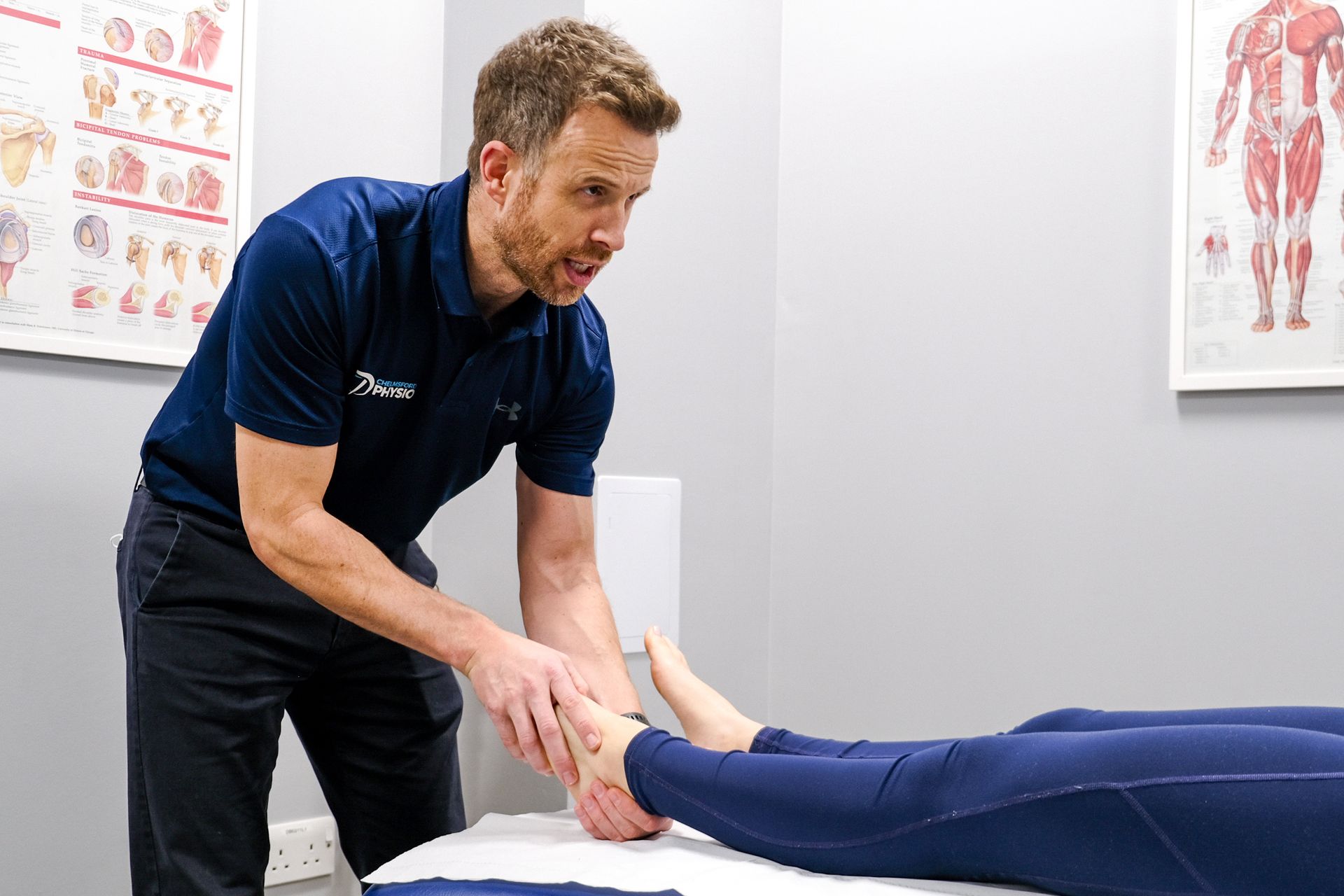
Manual therapy techniques, such as soft tissue mobilisation and joint mobilisation, can help reduce pain and improve range of motion. These techniques involve the physiotherapist applying pressure and techniques to the muscles and joints surrounding the elbow (Cameron et al., 2016).
A study by Syed et al (2024) has shown that adding MWMs to eccentric exercises resulted in enhanced pain reduction and improved function of the upper limb.
3. Strengthening Exercises
A tailored exercise program is essential for recovery. Physiotherapists often design strengthening exercises to enhance muscle endurance and stability (Bisset et al., 2006). Gradually increasing the strength of the extensor muscles can alleviate strain on the elbow. The progression will include eccentric focused exercises for the wrist extensors, as well as the strength chain of muscles up to the shoulder and back.
4. Therapeutic Modalities
Physiotherapists may use Shockwave therapy, for chronic Tennis Elbow symptoms that still persist after around 3 months.
- Shockwave therapy delivers acoustic waves to the affected area, which can help reduce pain by promoting the release of endorphins.
- The treatment stimulates blood circulation in the elbow, enhancing nutrient delivery and waste removal, which can speed up healing.
- Shockwaves can promote the regeneration of damaged tissues. This includes stimulating the production of collagen, essential for repairing tendons.
- By alleviating pain, patients often experience improved range of motion and functionality in the elbow.
5. Taping & Bracing
Taping techniques and epiclasps can help reduce strain on the elbow by resting the muscles and tendons. Physiotherapists can provide guidance on the appropriate type of tape or brace and its correct application (O’Connor et al., 2009).
Conclusion
Tennis elbow can be a debilitating condition, but physiotherapy offers effective strategies for managing symptoms and promoting recovery. Through education, manual therapy, targeted exercises, and the use of therapeutic modalities, patients can regain function and prevent future occurrences. If you are experiencing symptoms of tennis elbow, consulting a physiotherapist may be the first step towards recovery.