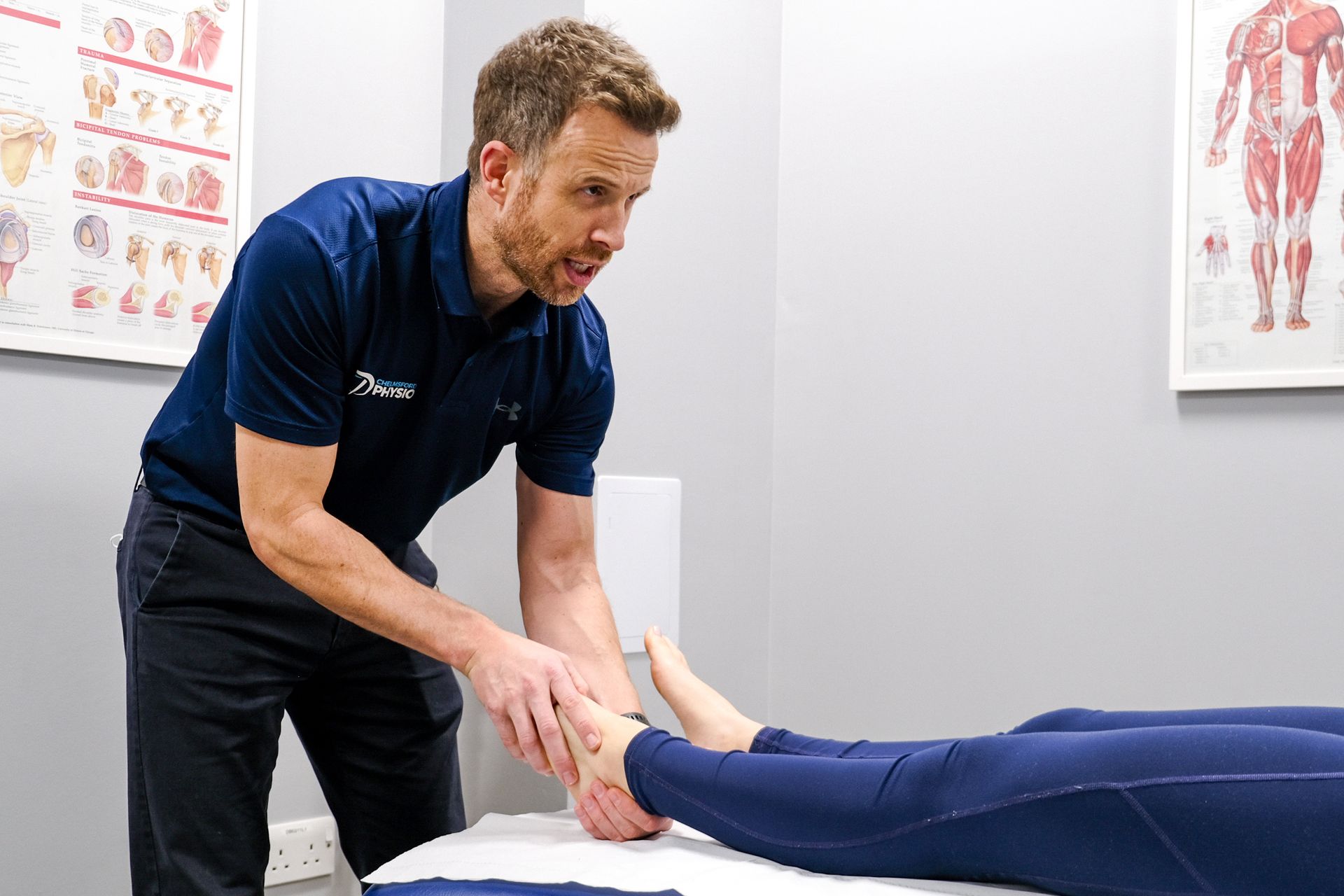
What to do & NOT to do on Marathon Day
You've put in the miles, sacrificed your lie-ins and bought the lycra, now marathon and half marathon day is on the horizon. Make sure you're in top shape at the start line with our DOs and DON’Ts for final marathon preparation:

DO's
Rest - our muscles are fueled by glycogen, a carbohydrate, which is depleted after long periods of exercise. Resting in the days leading up to the marathon allows glycogen levels to increase. Think of it like filling up your car for a long journey, so now you need to think about what fuel…
Re-fuel - as a general guide increase carbohydrate intake for 36-48hrs before the race. Carbs with a low glycemic index (GI) are best as they release energy for a longer period. This includes wholemeal pasta, roasted and salted peanuts, milk, fruit (especially cherries and grapefruit) and wholemeal bread. Mash potato, chips and white rice are considered high GI and are probably best
avoided pre-marathon. In terms of how much to eat, comfort is important. Don't be tempted to completely stuff yourself and risk feeling ill after! Elite athletes aim for 10 - 12 grams of carbs per kilogram of body weight per 24hrs. Meaning an 80kg runner would aim to eat 800 - 960 grams of carbohydrate per 24hrs. This is probably a little excessive for most and not the best thing to try for the first time on marathon weekend!
Prepare - got a pen and some paper? Right, now make a list of everything you need for race day! Shorts, shoes, socks, GPS watch, race number, safety pins, emergency loo roll, gels, post race
bag, sweat band, vaseline, pre-race breakfast, and anything else you can think of should go on that list. Get it all ready and laid out the day before so you don't have a thing to worry about on marathon day. Also give some thought to how you'll get to the start line and when you'll leave as roads are usually closed. It sounds like a military operation but the aim is to make it as stress free as possible and help you enjoy the day.
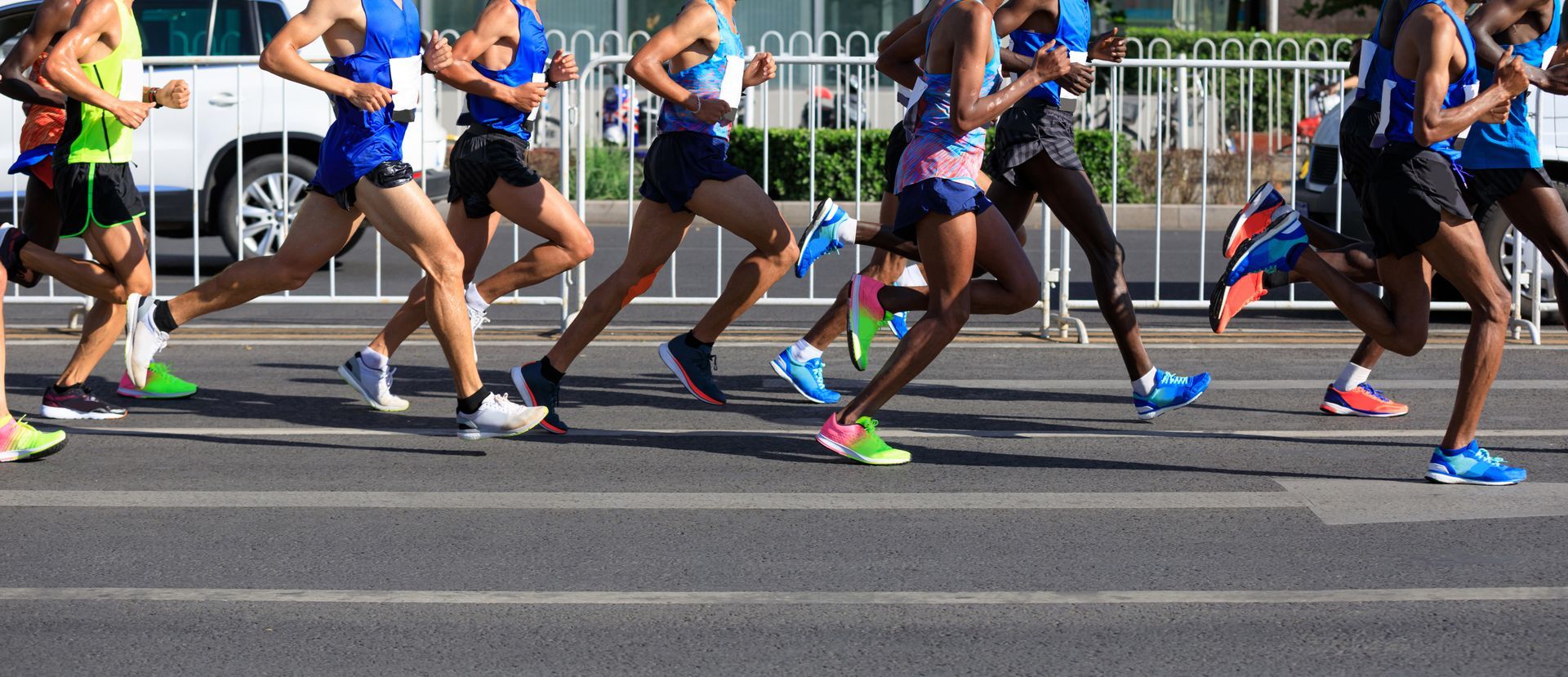
Plan - decide how you want to approach the race and what your goals are and use this to guide your race plan. It's very easy to start too quickly and pay the price later on. A marathon is a long way - save some energy for the end. You may have heard of 'negative splits' - the idea being to run the second half of a race quicker than the first. Some will aim to do this for a marathon but those
last 5-6 miles are seriously tough so it may not be realistic. Another approach is to aim for an even, comfortable pace the whole way. This can help prevent 'hitting the wall' but requires discipline. Work out your target pace and try and stick to that, resist the temptation to speed up early on as you run the risk of paying for it in the later stages. A GPS watch can be really helpful for monitoring
speed but failing this run near a pacer or chat to fellow runners to get an idea of pace.
Relax - once you're prepped and ready relax, there is nothing more you can do! Your marathon is about the last 4-5 months of training not the final few hours. You've put the work in, put your feet up and chill out!
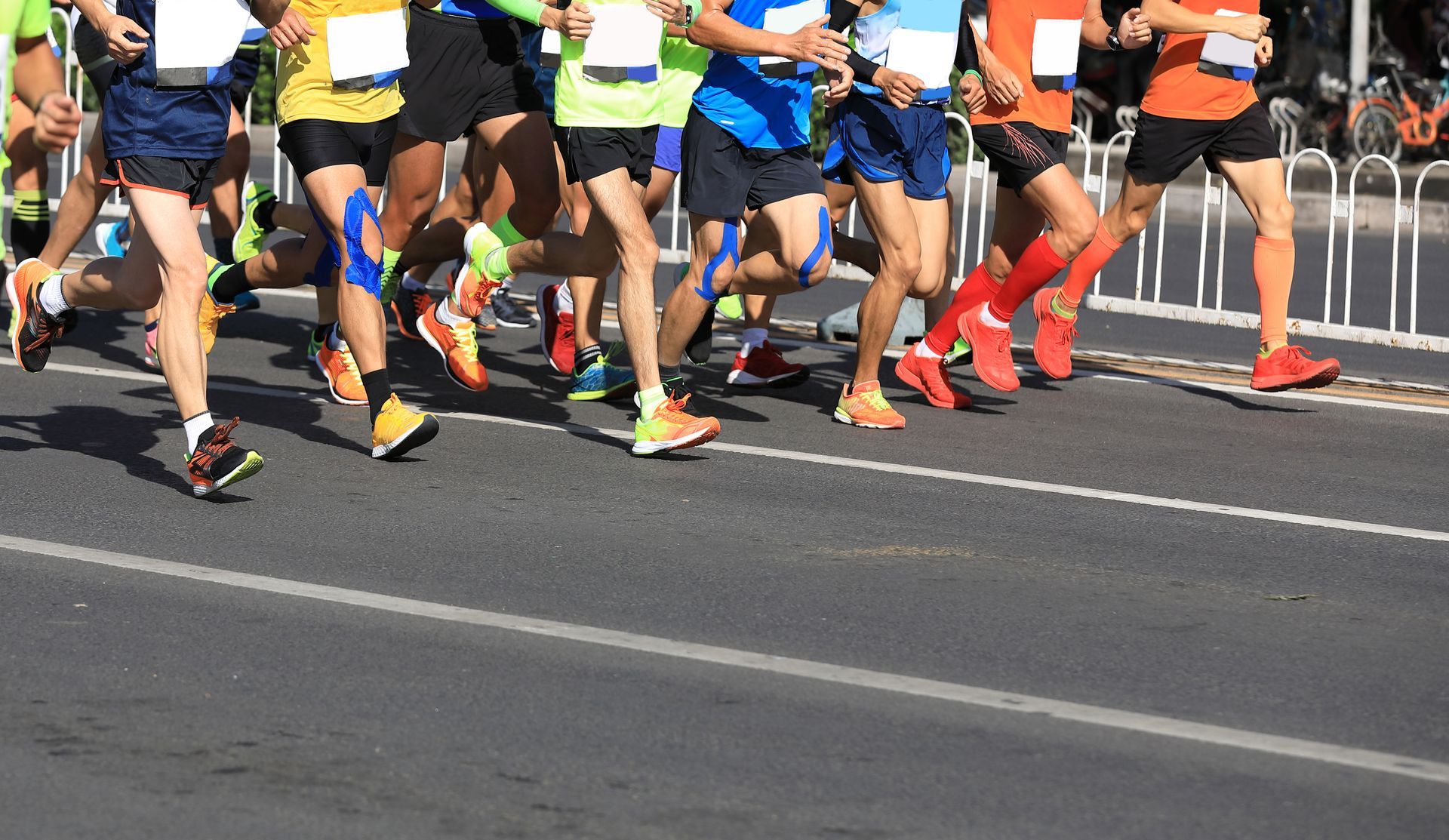
DON'TS
Panic - it's very common for people to have a 'temper tantrum' and panic just before a race.
Suddenly you assume everything will go wrong and you're totally unprepared. In fact we have had people call the night before wanting an emergency physio appointment the night before a marathon! You will get little niggles in the taper but they'll settle and be fine for the race. Stay calm,
it'll all be fine.
Test out new stuff - race day is not the time to try out new shoes, a different running style or a radical new diet. Keep marathon day for what you've tried and tested. If it works for you, stick with it!
Squeeze in an extra run - the temptation to squeeze in more miles or compensate for missed sessions can be very high leading up to the big day. Resist! Stick to your taper, rest and re-fuel.
On race day...
Use the morning routine you've used for your long runs (adapt it as needed for your start time). Get an early start to give you at least 2 hours between eating and racing. Stick to whatever breakfast you've tried and tested! Get to the start line with plenty of time. Try to have used the toilet well before start time as queues can be long on race day. Stick to the plan, probably the most
common mistake to make on race day is to run the beginning of the race at a much faster pace than planned. This will drain you precious glycogen stores and is a sure fire way to increase your
risk of hitting the dreaded wall. Stick to your pre-race plan and keep a close eye on your pace.
Don’t dodge in and out of people at the start. Just go with it. After a couple of kilometres the crowds will filter out and you will be able to settle into your pace.
Run as though you are trying to hold yourself back to start. Its a long race, you will catch the time easy, but if you are hanging on at the end you will lose much more.
The race does not start until 20 miles, so arrive there feeling good, and then kick on if you can. Don’t be a slave to the watch Work out what your 5km times should be and check them instead of looking every 1km.
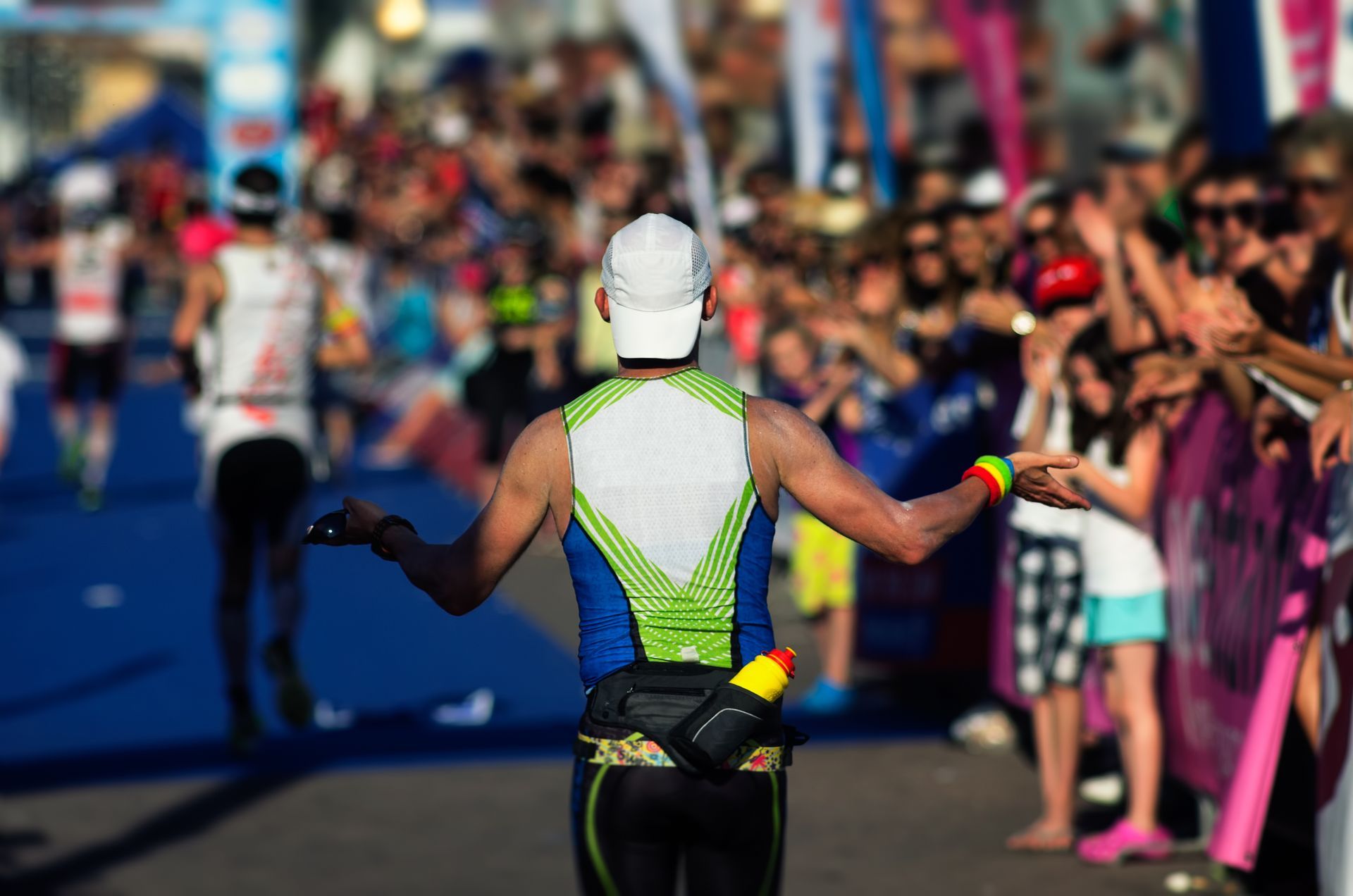
Finally and most importantly enjoy the day, you have worked long and hard to get to the start line now soak up the atmosphere and enjoy the experience.
For any pre-race sports massage or advice please feel free to contact us we are more than happy to help with any pre race injuries or help planning your race strategy. For post-race recovery why not come for a massage at our clinic.
Chelmsford Physio
Riverside Leisure Centre, Victoria Rd, Chelmsford CM1 1FG