The Science Behind Podiatric Biomechanics: Understanding Foot Function and Treatment

Chelmsford Physio • May 15, 2023

When it comes to foot health and the diagnosis of lower extremity conditions, podiatric biomechanics plays a crucial role. This fascinating field combines the principles of biomechanics with the expertise of podiatry to analyse the structure, alignment, and movement of the feet and lower limbs. In this blog, we will delve into the realm of podiatric biomechanics, exploring its significance in understanding foot function and how it aids in the diagnosis and treatment of various foot conditions.

1. The Basics of Biomechanics:

Biomechanics is the study of how forces and movements affect the human body. In the context of podiatry, it focuses specifically on the feet and lower limbs. By examining the forces acting upon the foot during various activities like walking, running, and jumping, podiatric biomechanics aims to identify abnormalities or imbalances that can contribute to foot pain, injuries, and other related conditions.


2. Foot Function and Gait Analysis:

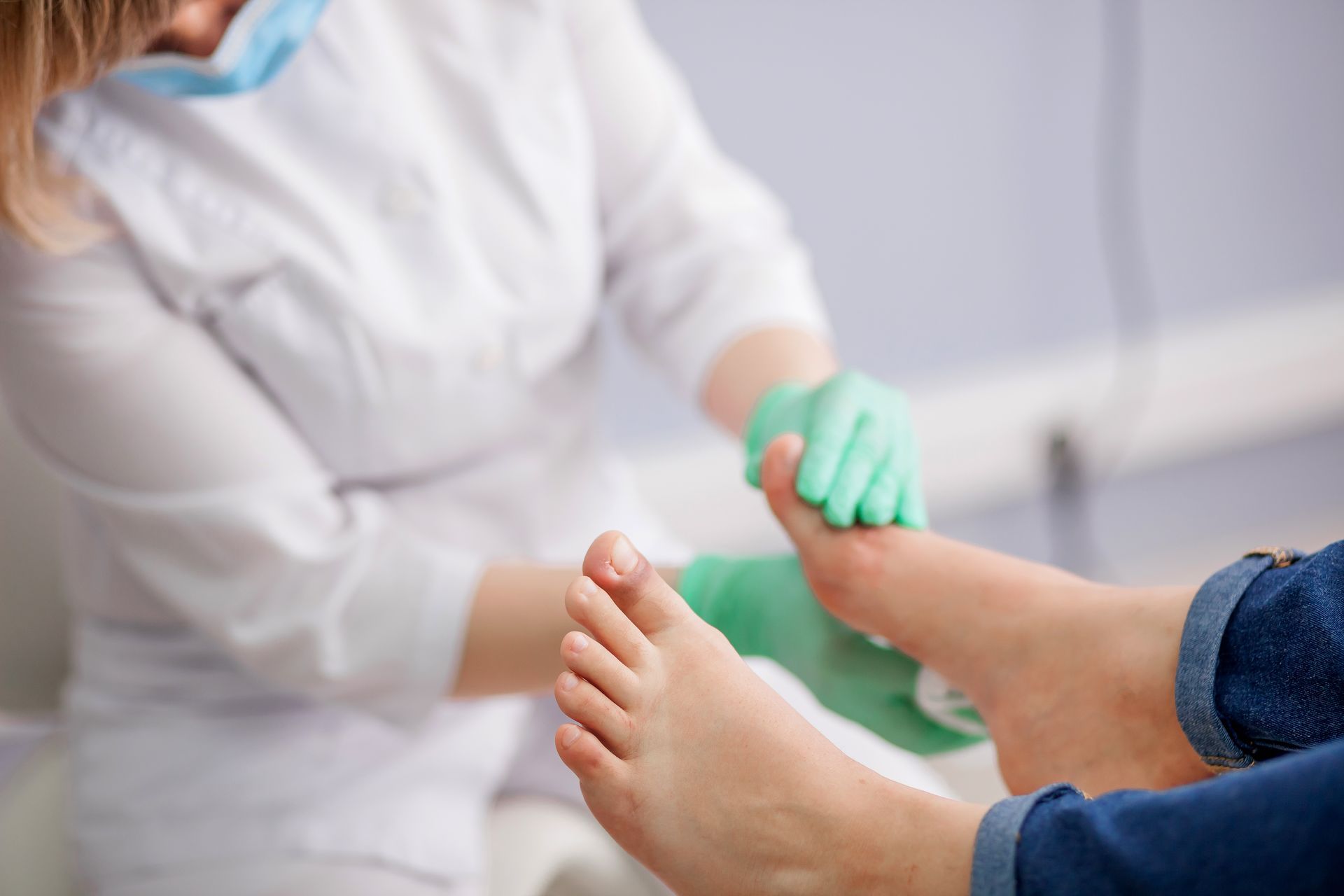
One of the key aspects of podiatric biomechanics is the analysis of foot function and gait. Gait analysis involves observing and measuring how an individual walks or runs to identify any irregularities or deviations from the normal pattern. Podiatrists use sophisticated equipment, such as pressure plates and motion capture systems, to assess factors like foot pressure distribution, timing of movements, and joint angles. This information helps them understand how forces are distributed across the foot and identify any biomechanical abnormalities that may contribute to foot problems.


3. Understanding Biomechanical Abnormalities:

Podiatric biomechanics helps identify various abnormalities that can affect foot function, such as:


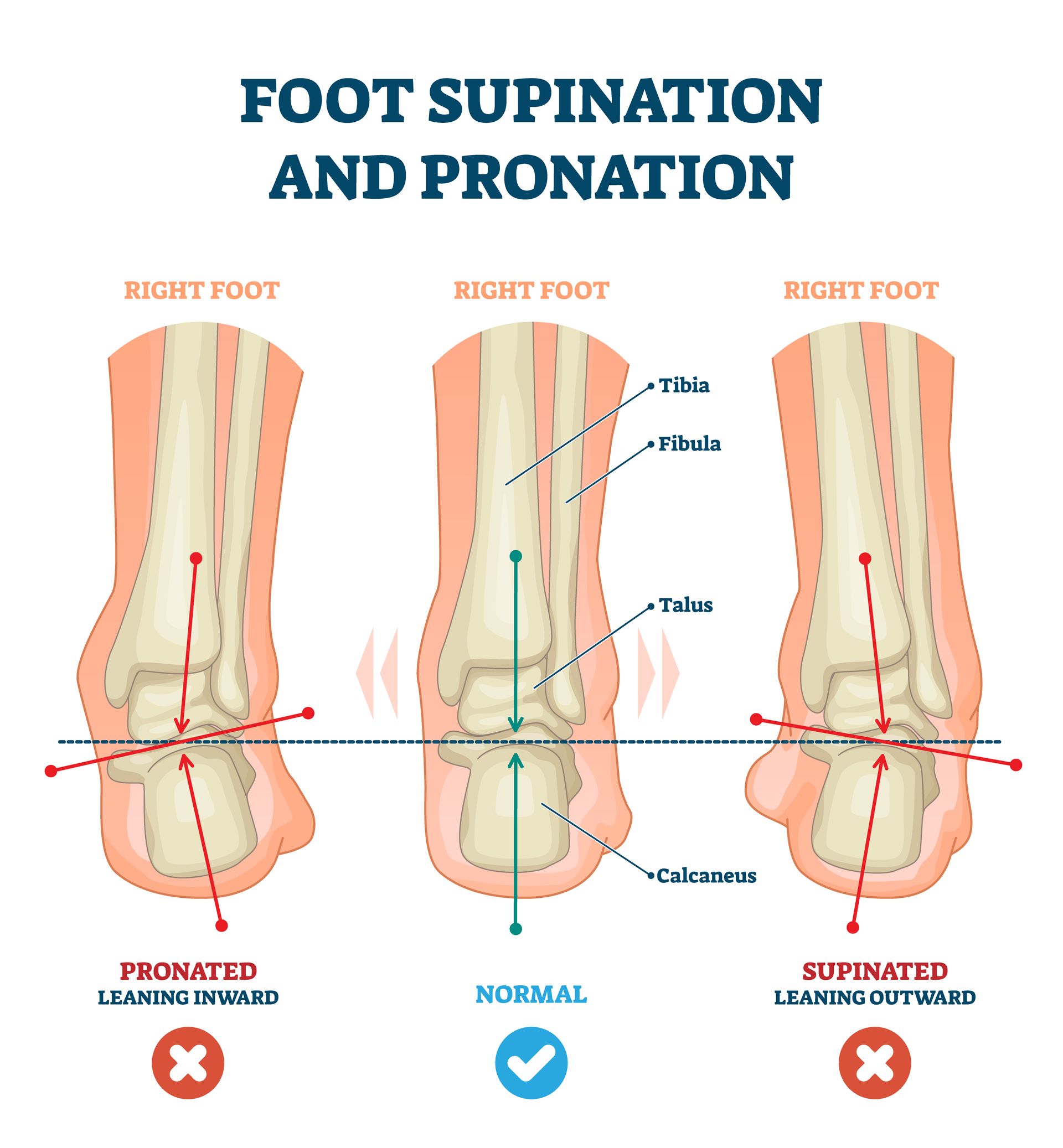
a. Overpronation: This occurs when the foot rolls excessively inward during walking or running, potentially leading to conditions like flat feet, plantar fasciitis, shin splints, and knee pain.


b. Supination: The opposite of overpronation, supination refers to an excessive outward rolling of the foot. It can result in issues like high arches, ankle instability, stress fractures, and lateral ankle sprains.


c. Leg Length Discrepancy: When one leg is shorter than the other, it can cause an imbalance, leading to foot, ankle, knee, or hip problems. Podiatric biomechanics can help determine the extent of the discrepancy and guide appropriate treatment options.


4. Treatment Approaches:

Based on the findings of biomechanical assessments, podiatrists can employ several treatment approaches to address foot conditions:


a. Orthotics: Custom-made shoe inserts, called orthotics or orthoses, are designed to provide support, correct alignment, and redistribute forces to alleviate pain and improve foot function.


b. Footwear Modifications: Podiatrists may recommend specific footwear modifications, such as using shoes with appropriate arch support, cushioning, and stability features to accommodate biomechanical needs.


c. Exercise and Rehabilitation: Targeted exercises, stretches, and physical therapy techniques can help strengthen muscles, improve flexibility, and correct imbalances contributing to foot problems.


d. Biomechanical Taping: Taping techniques can provide temporary support and realignment to alleviate pain and promote healing in certain foot conditions.


5. Prevention and Long-Term Foot Health:

Podiatric biomechanics is not limited to treating existing conditions but also focuses on preventing future foot problems. By identifying and addressing biomechanical abnormalities early on, individuals can adopt strategies such as proper footwear selection, maintaining a healthy weight, engaging in regular exercise, and practicing good foot hygiene to optimize foot function and prevent injuries.


Podiatric biomechanics provides a comprehensive understanding of foot function, gait patterns, and biomechanical abnormalities. By utilising this knowledge, podiatrists can accurately diagnose and prevent short, medium and long term conditions that can impact on daily and sporting lifestyles.


Chelmsford Physio

hello@chelmsfordphysio.co.uk

01245 895410

Riverside Leisure Centre, Victoria Rd, Chelmsford CM1 1FG

By Chelmsford Physio July 29, 2026
Athletes competing in hot and humid environments face significant physiological challenges that can impair performance and increase the risk of heat-related illness. From marathon runners in tropical climates to footballers playing summer tournaments, the ability to tolerate and perform in high temperatures is a critical component of elite sport. As a result, many athletes use structured heat acclimatisation strategies to prepare their bodies for environmental stress.  What Is Heat Acclimatisation? Heat acclimatisation refers to a series of physiological adaptations that occur when an athlete is repeatedly exposed to hot conditions during training. These adaptations typically develop over 7–14 days and help the body improve its ability to regulate temperature, maintain performance, and reduce cardiovascular strain during exercise in the heat. Common methods include: ● Training in hot environments (natural or artificial heat chambers) ● Passive heat exposure (saunas or hot water immersion post-training) ● Adjusting clothing to increase thermal load during sessions ● Gradual exposure to increased environmental temperatures The goal is to safely stress the thermoregulatory system so the body becomes more efficient at dissipating heat.
By Chelmsford Physio July 29, 2026
Ice baths, also known as cold water immersion (CWI), have become a common recovery strategy among elite athletes, particularly footballers. From Premier League changing rooms to Olympic training camps, many professionals immerse themselves in cold water after intense matches and training sessions. While the sight of players sitting in freezing water may seem extreme, there is growing scientific evidence explaining why this recovery method is so widely used. What Is an Ice Bath? An ice bath typically involves immersing the body (or lower limbs) in water between 10–15°C for 10–15 minutes shortly after exercise. The aim is to promote recovery by reducing muscle soreness, inflammation and fatigue, allowing athletes to perform consistently during periods of heavy training or competition. Why Do Footballers Use Ice Baths? Football is a physically demanding sport involving repeated sprinting, jumping, tackling, rapid changes of direction and high-impact collisions. These actions create microscopic muscle damage and trigger an inflammatory response. Cold water immersion is commonly used because it may help: ● Reduce delayed onset muscle soreness (DOMS) ● Minimise post-exercise swelling ● Decrease perceptions of fatigue ● Improve recovery between matches ● Maintain performance during congested fixture schedules For professional footballers playing two or three matches per week, rapid recovery is often as important as training itself. 
By Chelmsford Physio July 29, 2026
The FIFA World Cup is a unique tournament environment: elite athletes compressed into a short, high-stakes schedule, with repeated sprinting, sudden acceleration/deceleration, frequent collisions, and often limited time for full tissue recovery. It’s not surprising that the injury pattern in football tends to cluster around the lower limb—particularly the hamstrings, groin/hip-adductors, knee, and ankle. Across football research more broadly, these are repeatedly identified as the most common locations and/or injury mechanisms, even if the exact percentages differ by competition and injury-reporting method. Below is a physio-focused overview of the most common injury “types/regions” you should expect to see at World Cup 2026, along with practical assessment and management themes. 1) Muscle strains—especially hamstrings (HSI)  Why they happen in tournaments: Hamstring strain injuries (HSIs) are strongly associated with high-speed running and the physical demands of sprinting mechanics. In injury surveillance and football epidemiology, hamstring injuries consistently appear among the most common soft-tissue problems, with meaningful recurrence risk. What a physio will look for: - History: onset during acceleration/sprinting, feeling of “pull,” bruising (sometimes). - CNS/tissue considerations: prior injury, training load spikes, inadequate sprint exposure progression. - Clinical exam: focal tenderness, resisted muscle testing, and functional tests aligned to your local protocols (e.g., pain-free activation and lengthening tolerance). Rehabilitation themes: - Restore capacity for high-speed eccentric/concentric demands (not just range of motion). - Use progressive loading and functional return-to-play criteria to address reinjury risk—because football research highlights that the hamstring is one of the most frequently reinjured regions.