The Physio’s World Cup Playbook: Most Common Injuries at FIFA World Cup 2026 (and What to Do About Them)
The FIFA World Cup is a unique tournament environment: elite athletes compressed into a short, high-stakes schedule, with repeated sprinting, sudden acceleration/deceleration, frequent collisions, and often limited time for full tissue recovery. It’s not surprising that the injury pattern in football tends to cluster around the lower limb—particularly the hamstrings, groin/hip-adductors, knee, and ankle. Across football research more broadly, these are repeatedly identified as the most common locations and/or injury mechanisms, even if the exact percentages differ by competition and injury-reporting method.
Below is a physio-focused overview of the most common injury “types/regions” you should expect to see at World Cup 2026, along with practical assessment and management themes.
1) Muscle strains—especially hamstrings (HSI)
Why they happen in tournaments:
Hamstring strain injuries (HSIs) are strongly associated with high-speed running and the physical demands of sprinting mechanics. In injury surveillance and football epidemiology, hamstring injuries consistently appear among the most common soft-tissue problems, with meaningful recurrence risk.
What a physio will look for:
- History: onset during acceleration/sprinting, feeling of “pull,” bruising (sometimes).
- CNS/tissue considerations: prior injury, training load spikes, inadequate sprint exposure progression.
- Clinical exam: focal tenderness, resisted muscle testing, and functional tests aligned to your local protocols (e.g., pain-free activation and lengthening tolerance).
Rehabilitation themes:
- Restore capacity for high-speed eccentric/concentric demands (not just range of motion).
- Use progressive loading and functional return-to-play criteria to address reinjury risk—because football research highlights that the hamstring is one of the most frequently reinjured regions.
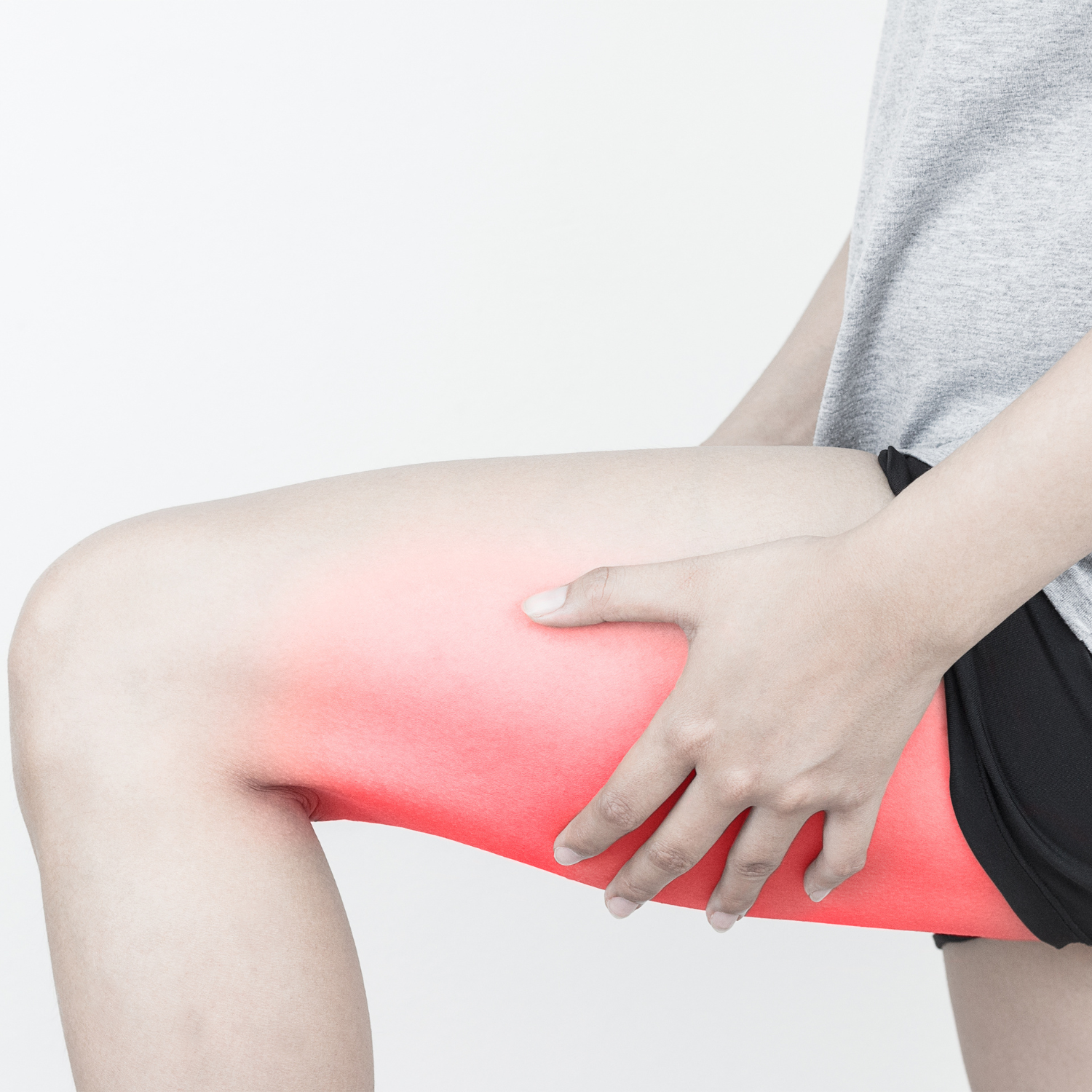
2) Groin / hip-adductor and related “thigh” soft-tissue injuries
Why they happen:
Groin and hip-adductor problems are repeatedly prominent in football injury patterns due to the combination of:
- sprinting and cutting,
- lateral force transfer,
- and kicking/stance demands that load the pelvis and inner thigh.
Overall football prevention literature flags the groin/hamstring/knee/ankle as key priorities for injury-risk mitigation.
What a physio will look for:
- Adductor longus/brevis vs deeper hip considerations (clinical differentiation).
- Symptoms with **squeeze/adduction, resisted hip extension, and changes in pelvic control.
- Often a “pattern” problem: weakness, poor control, or inadequate capacity for repetitive exposures.
Rehabilitation themes:
- Progressive strength (adductor capacity and hip stability).
- Movement re-training for sprinting/cutting mechanics and pelvic control.
- Monitoring because this region can become a recurring theme during a tight tournament schedule.
3) Ankle sprains and other ankle/foot injuries
Why they happen:
Ankle sprains are frequently reported across football epidemiology and are supported as a common lower-limb injury location.
What a physio will look for:
- Acute grading (ligament involvement clues) and functional stability testing.
- Associated issues: peroneal tendon irritation, balance deficits, and—importantly—return-to-play readiness.
Rehabilitation themes:
- Restore range, strength, and **proprioception/balance.
- Emphasise sport-specific demands (landing, deceleration, rapid footwork), because recurrence risk is a known concern in ankle injury patterns.
4) Knee injuries (including ligament injuries)
Why they happen
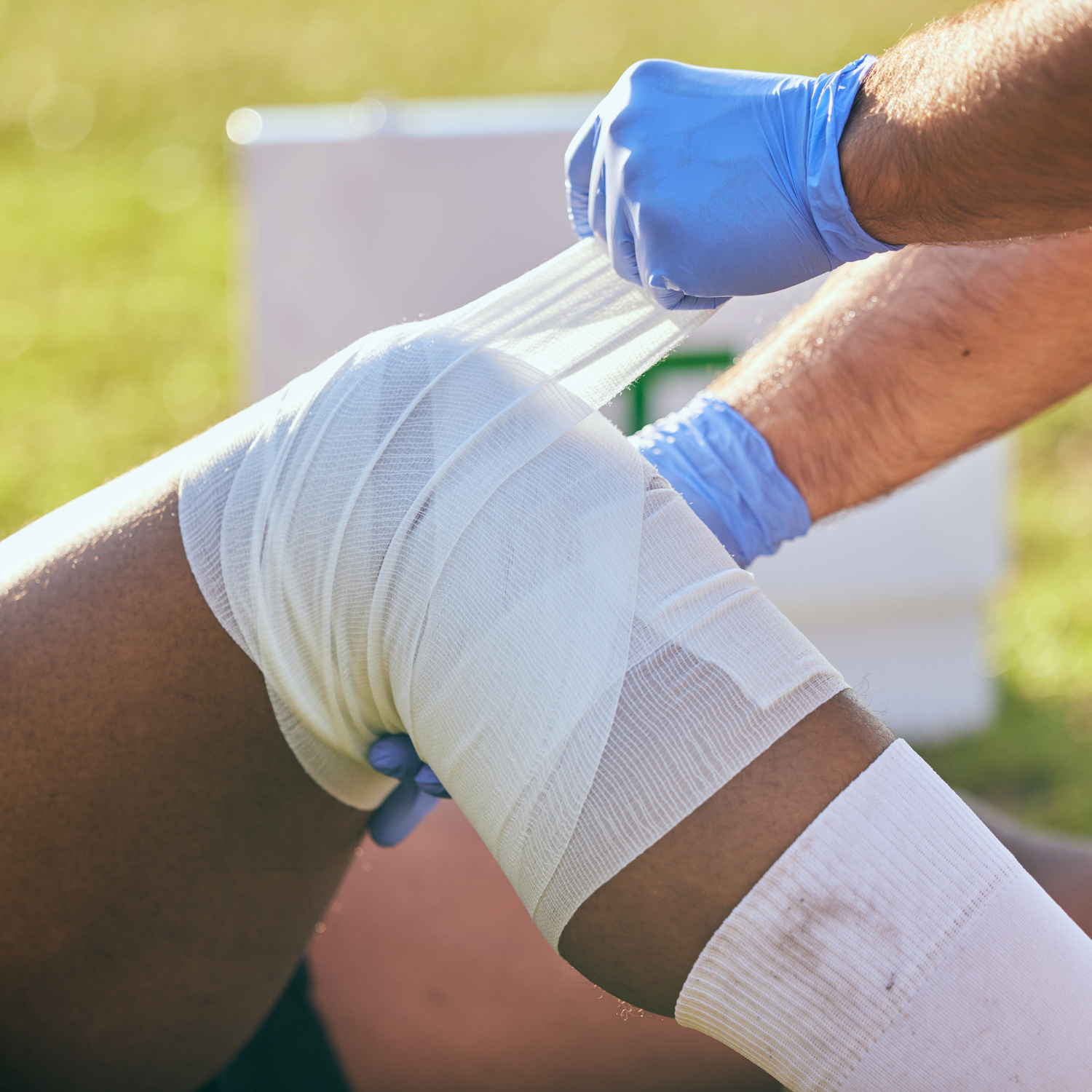
Knee injuries remain a major contributor to injury burden in football and can include ligament sprains/tears and other joint-related issues. Systematic reviews of professional football injury burden show knee as a high-impact region (in terms of days lost and injury management focus).
What a physio will look for
- Mechanism: twisting/landing/changes of direction.
- Red flags: suspected ACL/major structural damage signs, instability, and inability to bear load.
Rehabilitation themes
- Evidence-informed, phased rehab (and when needed, fast referral pathways).
- Tournament reality: balancing recovery time with safe functional restoration.
5) Contusions/hematomas and other “traumatic” soft-tissue injuries
Why they happen
World Cup matches are physical, and in broader football tournament contexts, **blunt soft tissue trauma** (contusions/hematomas) is often among the most common injury types, particularly when “medical attention” definitions are used.
What a physio will look for:
- Severity markers: swelling/ROM loss, neurovascular status, and rule-outs (especially if pain out of proportion).
Rehabilitation themes
- Manage symptoms and restore function quickly—but safely.
- Avoid rushing return-to-play before tissue tolerance improves.
6) Injury definitions matter (so do your denominators)
A key challenge in “most common injuries” summaries is that incidence numbers change depending on how injury is defined and recorded. The IOC consensus approach (and football-specific extension) provides harmonised methods for injury/illness recording and reporting—which influences what gets counted as an injury and how severity is classified.