What is Plantar Fascia & How Can Podiatry Treatment Help?
Plantar fasciitis is a common foot condition that affects many people, causing pain and discomfort in the heel and arch of the foot. While there are various treatment options available, podiatry has been shown to be a particularly effective approach in managing plantar fasciitis.
Podiatrists are healthcare professionals who specialise in the diagnosis, treatment, and management of foot and ankle conditions. They are trained to identify the underlying causes of plantar fasciitis and to develop bespoke treatment plans that address the specific needs of each patient.
One of the key ways in which podiatry can help with plantar fasciitis is by providing custom orthotics. Orthotics are specialised shoe inserts that are designed to support the foot and improve its alignment, which can help to reduce stress on the plantar fascia and promote healing. A systematic review and meta-analysis of randomised controlled trials found that custom orthotics were effective in reducing pain and improving function in patients with plantar fasciitis.

Another way in which podiatry can help with plantar fasciitis is by providing targeted stretching and strengthening exercises. These exercises are designed to improve the flexibility and strength of the foot and ankle, which can help to reduce pain and improve function. A randomized controlled trial found that a 12-week exercise program consisting of calf muscle stretching, plantar fascia stretching, and strengthening exercises was more effective than standard care in reducing pain and improving function in patients with plantar fasciitis.
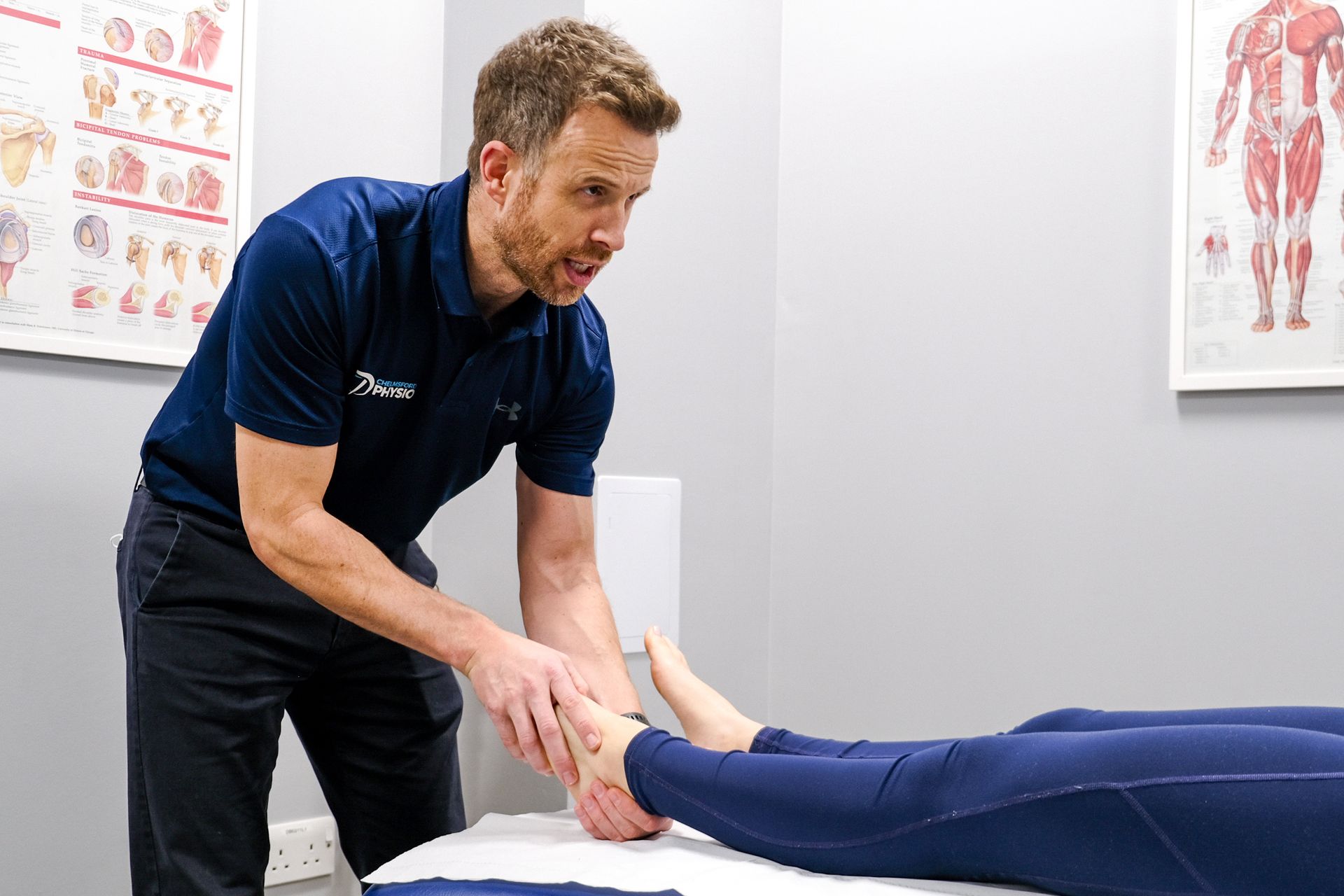
In addition to custom orthotics and exercise therapy, podiatrists may also use other manual therapies such as massage, mobilisation, and dry needling to help alleviate pain and improve function in patients with plantar fasciitis. These techniques can help to improve blood flow to the affected area, reduce inflammation, and promote healing.
Furthermore, podiatrists may also provide education on proper footwear, foot posture, and lifestyle modifications that can help to prevent further injury and promote healing. This may include recommendations on the type of shoes to wear, how to modify activities to reduce stress on the feet, and how to maintain proper foot posture throughout the day.
Overall, the evidence suggests that podiatry can be an effective approach in managing plantar fasciitis. Custom orthotics, exercise therapy, manual therapies, and education are all important components of podiatry treatment for plantar fasciitis. Therefore, if you are experiencing symptoms of plantar fasciitis, it may be worth considering podiatry as a treatment option.

In conclusion, plantar fasciitis can be a painful and debilitating condition, but podiatry can offer an effective approach to managing the symptoms. Custom orthotics, exercise therapy, manual therapies, and education are all important components of podiatry treatment for plantar fasciitis, and the evidence suggests that these approaches can help to reduce pain, improve function, and promote healing. Therefore, if you are experiencing symptoms of plantar fasciitis, it may be worth consulting with a podiatrist to develop a personalised treatment plan that addresses your specific needs.
Chelmsford Physio
Riverside Leisure Centre, Victoria Rd, Chelmsford CM1 1FG