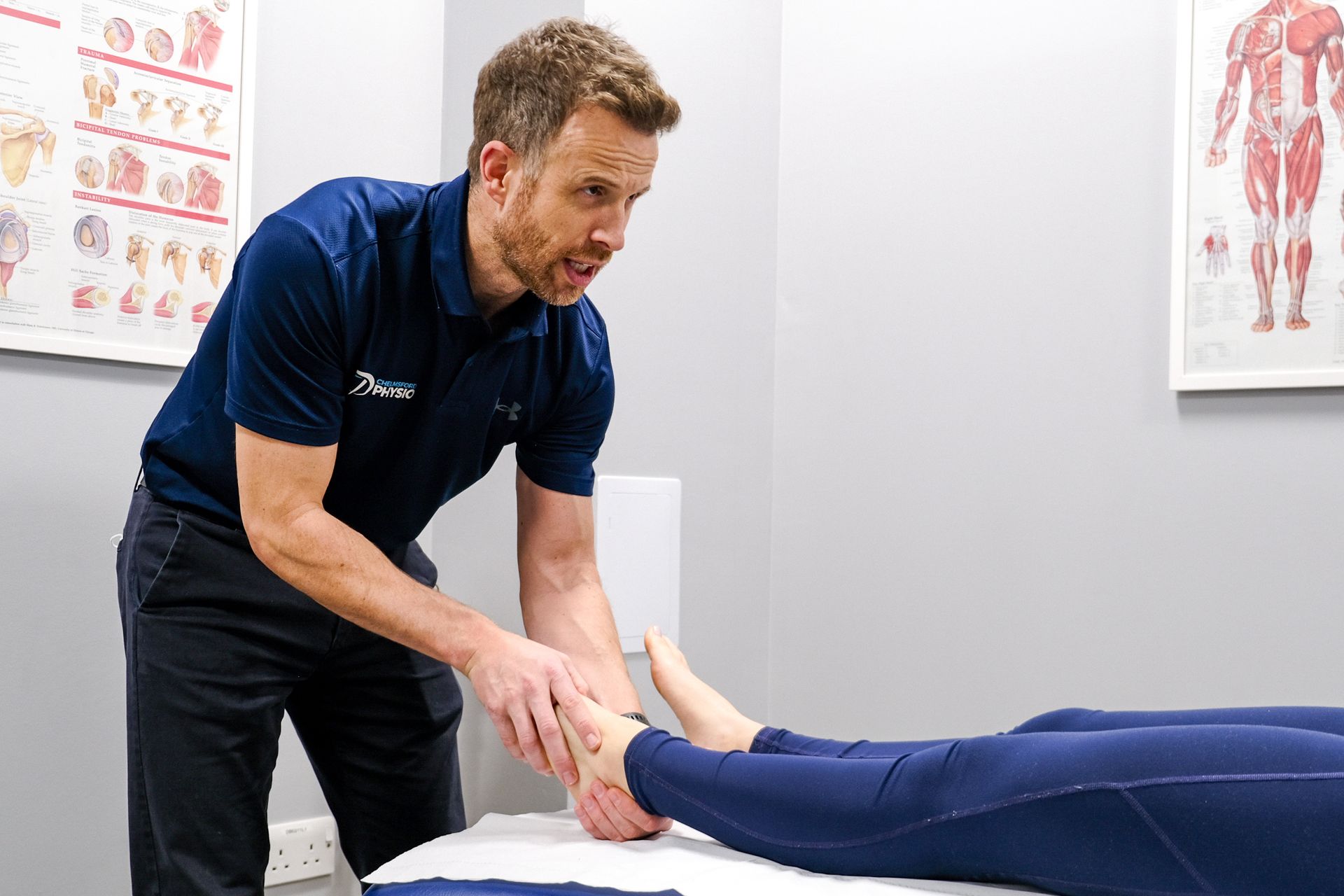
What is FAI & how can Physiotherapy help!
Femoral acetabular impingement (FAI) is a condition that affects the hip joint and can cause pain and restricted movement. In FAI, the bones of the hip joint rub against each other abnormally, leading to damage to the joint. This condition can affect athletes and non-athletes alike and can be a result of genetic factors, trauma, or overuse. In this blog, we will explore what FAI is, its causes, symptoms, and treatment options, and how Physiotherapy can help.
What is Femoral Acetabular Impingement?
Femoral acetabular impingement occurs when the ball and socket of the hip joint rub against each other abnormally, causing damage to the joint. This condition can be caused by a number of factors, including genetics, overuse, and trauma. There are three types of FAI: cam, pincer, and combined impingement.
Cam impingement occurs when the ball of the hip joint is not round and cannot rotate smoothly in the socket, leading to damage to the cartilage and labrum of the joint. Pincer impingement occurs when there is too much bone around the socket, causing the ball to rub against the bone, leading to joint damage. Combined impingement is a combination of both cam and pincer impingement.
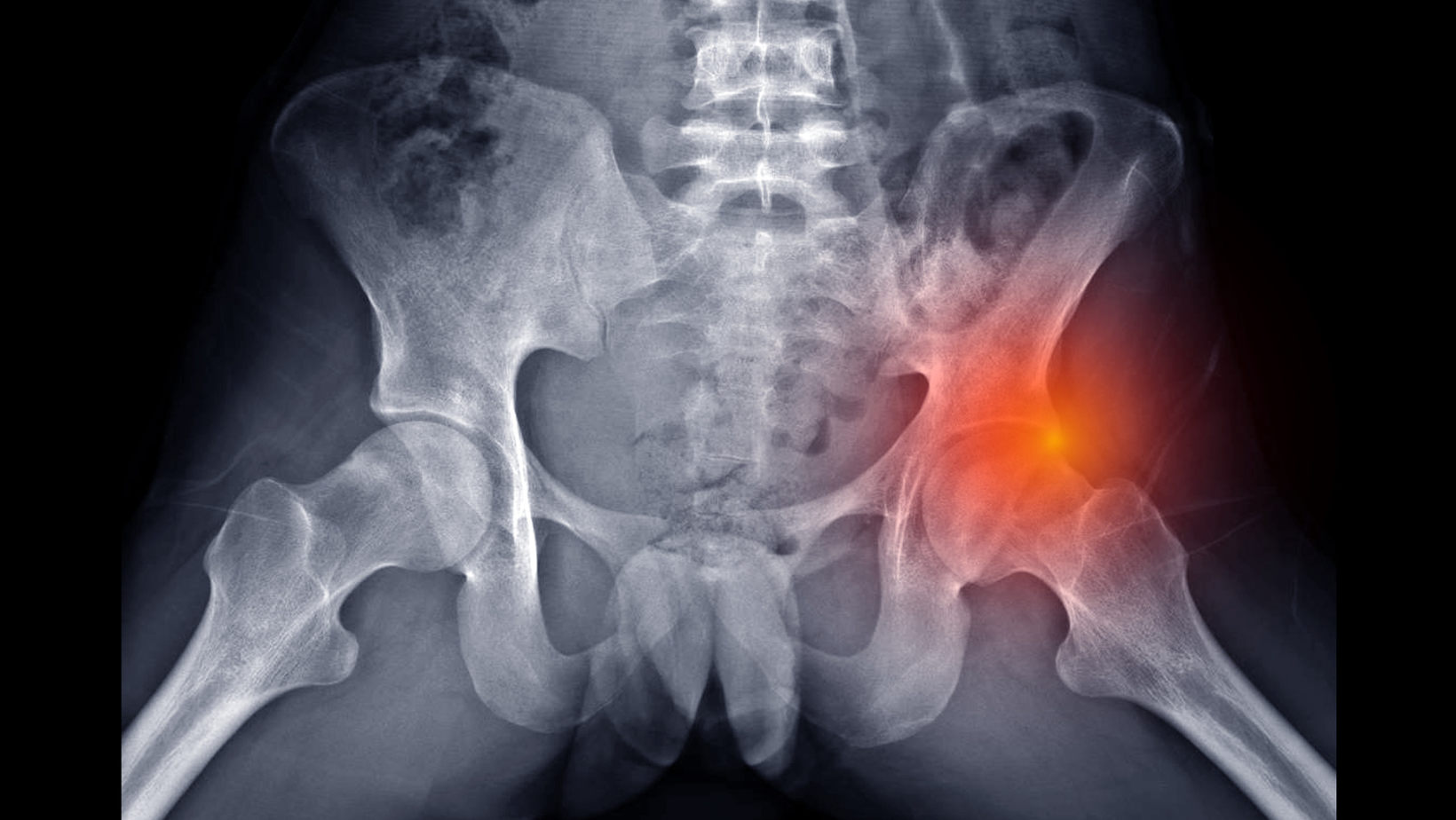
Symptoms of FAI
The symptoms of FAI can vary from person to person, but typically include pain in the hip or groin area, reduced range of motion, and stiffness. The pain may be sharp or dull and may worsen with activity. In some cases, FAI can lead to the development of osteoarthritis in the hip joint.
Diagnosis and Treatment of FAI
To diagnose FAI, a Physiotherapist can perform a physical examination and may order imaging tests, such as X-rays or magnetic resonance imaging (MRI). Treatment options for FAI include physiotherapy, medication, and in some cases, surgery. Physiotherapy can help improve range of motion, reduce pain, and strengthen the muscles around the hip joint. Medications such as nonsteroidal anti-inflammatory drugs (NSAIDs) can help reduce pain and inflammation. In severe cases, surgery may be necessary to repair the damaged joint.
How Physiotherapy Can Help with FAI
1. Strengthening exercises: Physiotherapists can design a program of strengthening exercises to help improve the strength and mobility of the hip joint. These exercises can help reduce pain and prevent further damage to the joint.
2. Range of motion exercises: Range of motion exercises can help improve the flexibility and mobility of the hip joint, reducing stiffness and pain. Physiotherapists may use techniques such as stretching and joint mobilisation to help improve range of motion.
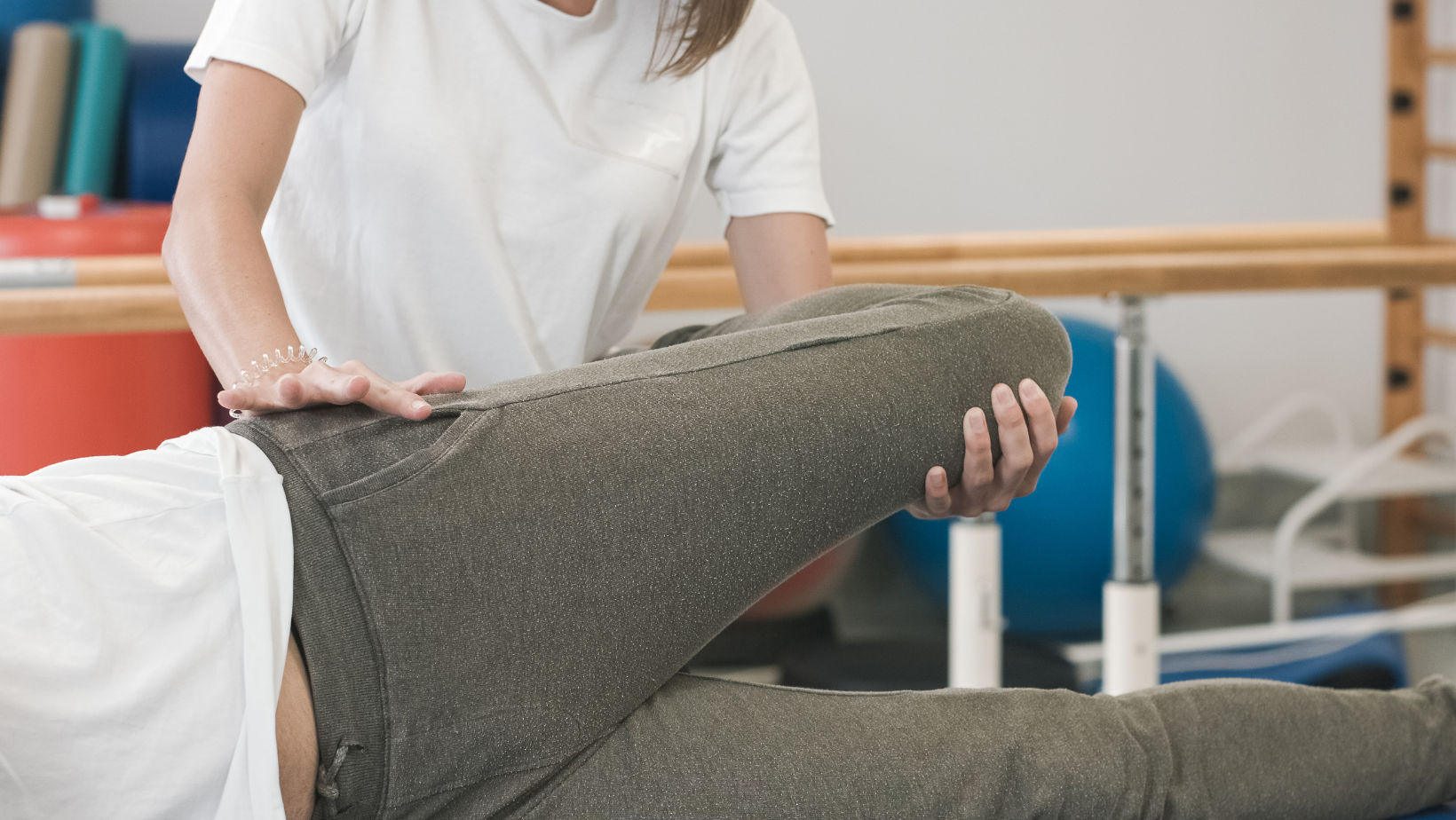
3. Manual therapy: Physiotherapists may use manual therapy techniques such as massage and joint mobilisation to help reduce pain and improve joint mobility. These techniques can help reduce muscle tension and improve circulation to the affected area.
4. Education and advice: Physiotherapists can provide advice on how to manage the condition, including advice on posture, ergonomics, and activities to avoid. They can also provide education on how to perform exercises correctly and how to prevent further damage to the joint.
5. Prevention: Physiotherapy can also help prevent future injuries or damage to the joint. Physiotherapists can provide advice on how to improve technique and conditioning to prevent further damage to the joint.
Conclusion:
FAI is a painful condition that affects the hip joint and can cause reduced range of motion and stiffness. It is caused by abnormal rubbing of the bones in the joint, and can be diagnosed through physical examination and imaging tests. Treatment options include physiotherapy, medication, and in severe cases, surgery. If you are experiencing hip pain or reduced range of motion, consult a doctor or physiotherapist to determine the underlying cause and develop an appropriate treatment plan.
Physiotherapy can be an effective treatment option for femoral acetabulum impingement, helping patients manage their pain, improve their range of motion, and prevent further damage to the joint. Physiotherapists can design a program of strengthening and range of motion exercises, use manual therapy techniques to reduce pain and improve joint mobility, and provide education and advice on how to manage the condition and prevent further damage. If you are experiencing hip pain or reduced range of motion, consult a physiotherapist to determine the underlying cause and develop an appropriate treatment plan.
Chelmsford Physio
Riverside Leisure Centre, Victoria Rd, Chelmsford CM1 1FG