Plantar Fasciitis (Fasciopathy) & Physio
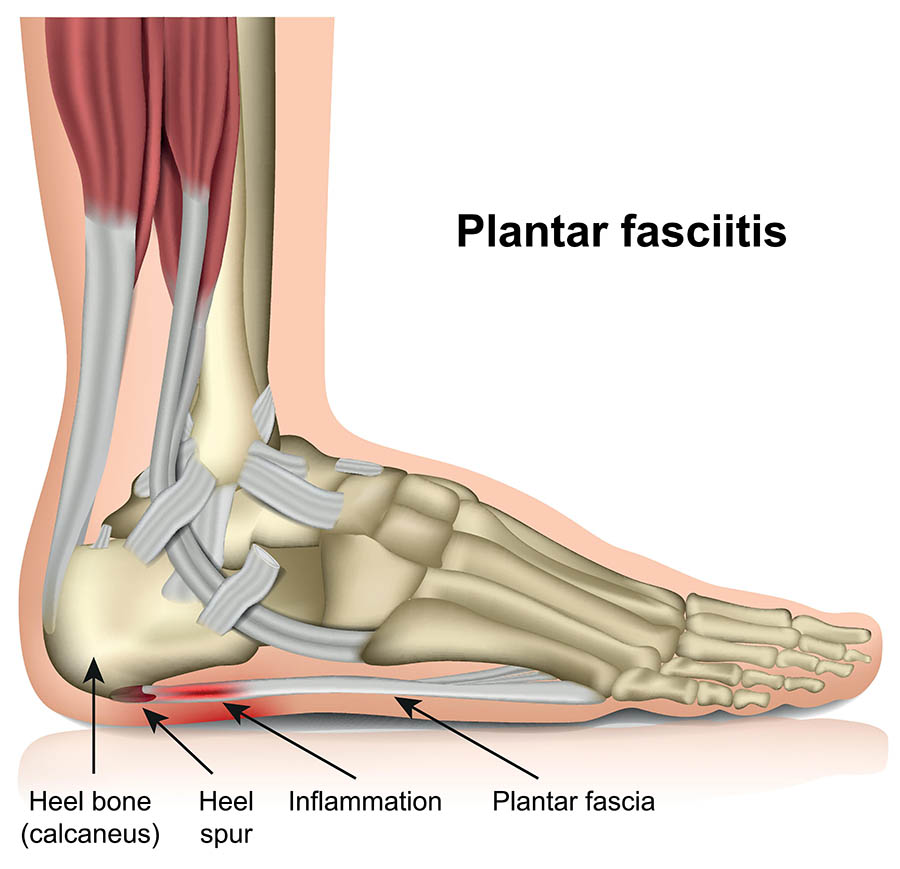
Plantar fasciitis is a common foot condition that affects many people, especially athletes and those who spend long hours on their feet. It is characterised by pain and inflammation of the plantar fascia, a thick band of tissue that runs along the bottom of the foot from the heel to the toes. While there are various treatment options available, physiotherapy has been shown to be an effective approach in managing plantar fasciitis.
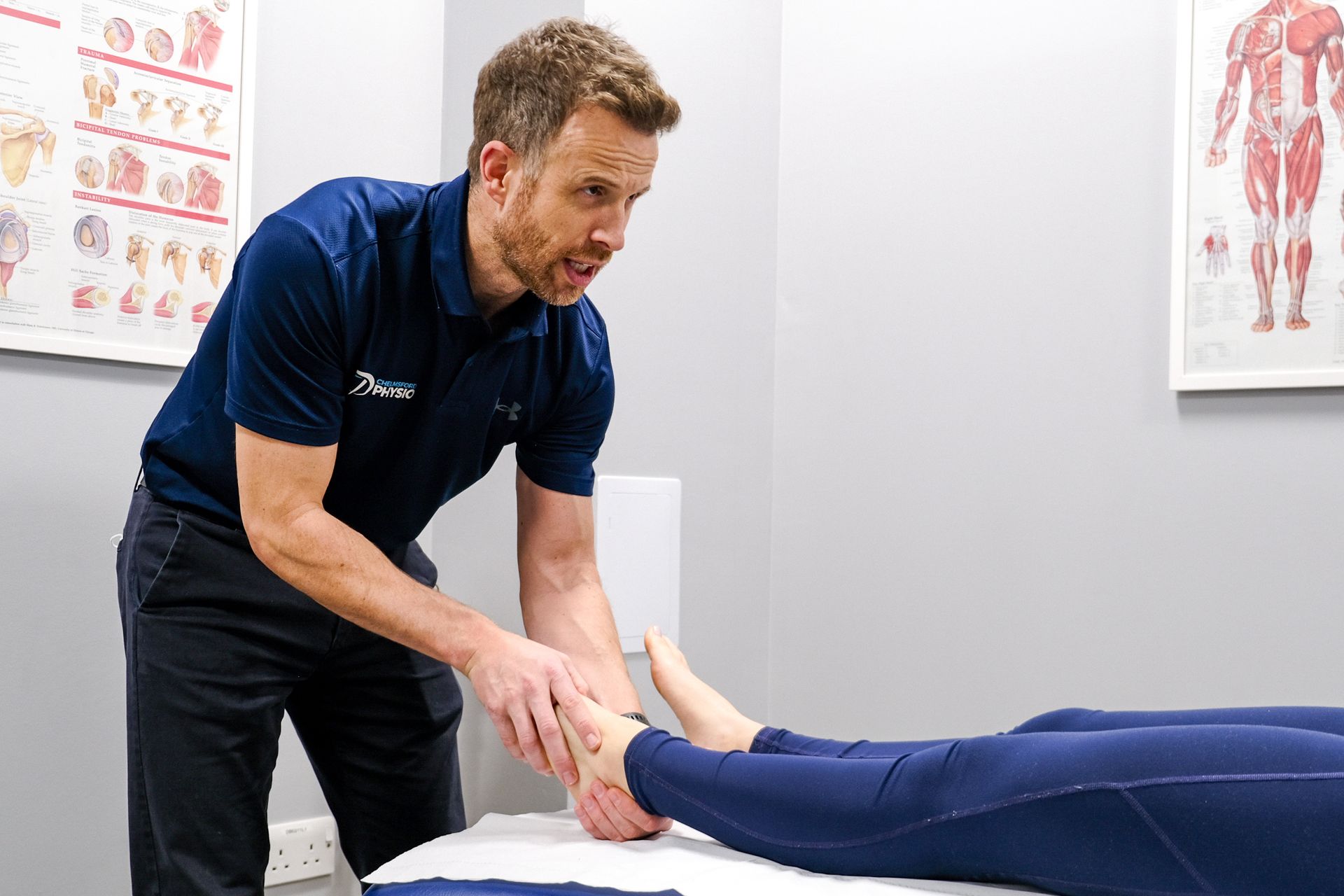
Physiotherapy for plantar fasciitis typically involves a combination of manual therapy, exercise, and education. Manual therapy techniques such as soft tissue mobilisation, strengthening, and stretching can help to reduce pain and improve mobility by targeting the affected tissues. For example, a systematic review and meta-analysis of randomised controlled trials (RCTs) found that manual therapy was effective in reducing pain and improving function in patients with plantar fasciitis (1).
Exercise therapy is also an important component of physiotherapy for plantar fasciitis. Specific exercises can help to improve strength, flexibility, and balance, which can all contribute to improving the condition. For example, a randomised controlled trial found that a 12-week exercise program consisting of calf muscle stretching & plantar fascia strengthening exercises was more effective than standard care in reducing pain and improving function in patients with plantar fasciitis (2).
In addition to manual therapy and exercise, education is also an important aspect of physiotherapy for plantar fasciitis. Patients are typically taught about proper footwear, foot posture, and other lifestyle modifications that can help to prevent further injury and promote healing. For example, a randomised controlled trial found that a 6-week education program that included advice on footwear, stretching, and activity modification was effective in reducing pain and improving function in patients with plantar fasciitis (3).

Overall, the evidence suggests that physiotherapy can be an effective approach in managing plantar fasciitis. However, it is important to note that the effectiveness of physiotherapy may vary depending on the severity and duration of the condition, as well as individual patient factors. Therefore, it is important for patients to work closely with a qualified physiotherapist to develop a bespoke treatment plan that addresses their specific needs.
In conclusion, plantar fasciitis can be a painful and debilitating condition, but physiotherapy can offer an effective approach to managing the symptoms. Manual therapy, exercise, and education are all important components of physiotherapy for plantar fasciitis, and the evidence suggests that these approaches can help to reduce pain, improve function, and promote healing. Therefore, if you are experiencing symptoms of plantar fasciitis, it may be worth considering physiotherapy as a treatment option.
Chelmsford Physio
Riverside Leisure Centre, Victoria Rd, Chelmsford CM1 1FG