Unlocking Fitness: The Comprehensive Benefits of Kettlebell Training
Kettlebell training has been found to add significant value to athlete training programs, by enhancing strength, power, endurance, explosive power and postural co-ordination
( Jaiswal et al, 2024 ).
The Surprising Benefits of Kettlebell Exercises:
Kettlebell training has grown in popularity in recent years, and for good reason. These cast-iron weights offer a unique and highly effective workout that targets multiple muscle groups simultaneously. If you're looking to mix up your fitness routine and experience the transformative power of kettlebells, read on to discover the surprising benefits this training modality can provide.
Improved Cardiovascular Fitness
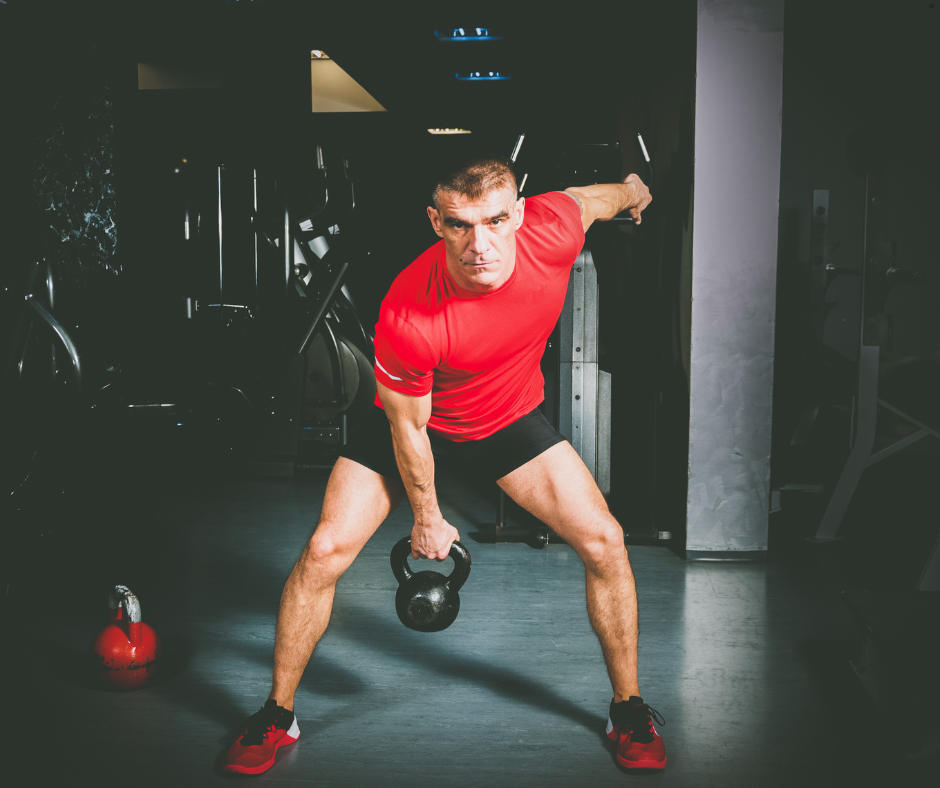
Numerous studies have found that kettlebell workouts can significantly improve cardiovascular health. A 2010 study published in the Journal of Strength and Conditioning Research examined the effects of a 12-minute kettlebell workout and found that it elicited an average heart rate of 93% of participants' maximum heart rate (Farrar, Mayhew, & Koch, 2010). This level of intensity helps to strengthen the heart muscle, increase lung capacity, and boost overall aerobic fitness.
Enhanced Muscular Strength and Endurance
Kettlebell exercises require the engagement of multiple muscle groups, including the core, legs, and upper body. This full-body activation leads to increased muscular strength and endurance. A 2013 study in the Journal of Strength and Conditioning Research found that 8 weeks of kettlebell training significantly improved participants' deadlift, jump squat, and bench press performance (Lake & Lauder, 2013).
Improved Flexibility and Mobility
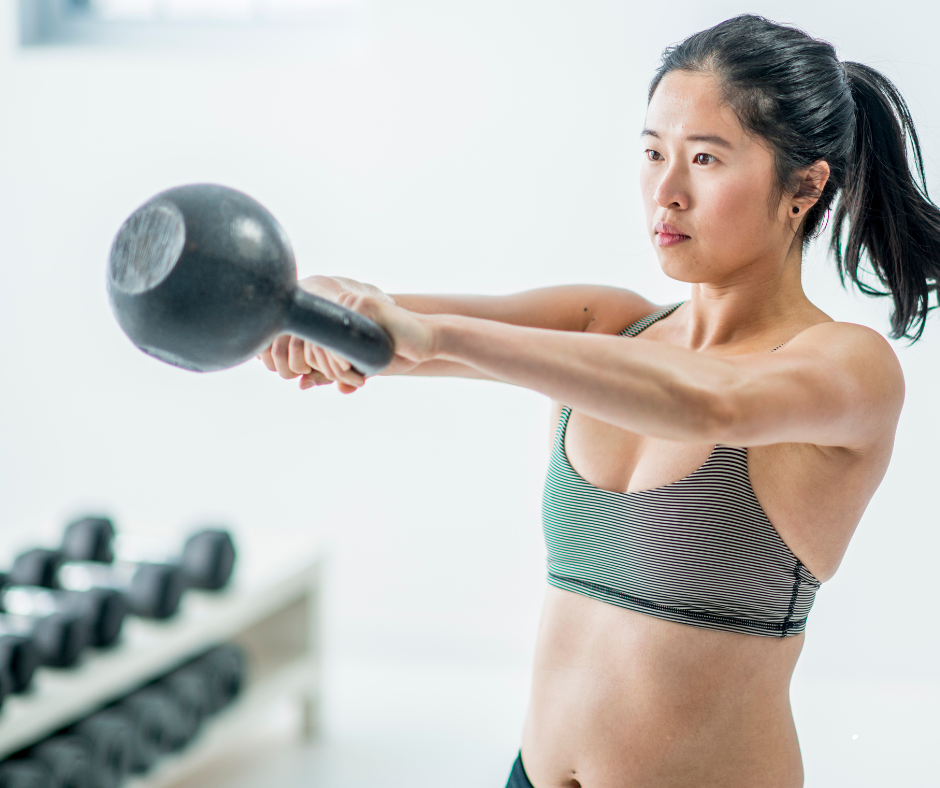
The dynamic, swinging motions of kettlebell exercises promote improved flexibility and mobility in the hips, shoulders, and spine. A 2010 study in the Journal of Strength and Conditioning Research observed significant increases in shoulder and hip mobility after just 4 weeks of kettlebell training (Jay et al, 2013).
Time-Efficient Workouts
Kettlebell workouts are renowned for their efficiency, allowing you to achieve a full-body workout in a relatively short amount of time. This makes kettlebells an excellent choice for individuals with busy schedules who still want to prioritise their fitness. A study published in the Journal of Strength and Conditioning Research found that just 20 minutes of kettlebell training can provide the same cardiovascular benefits as running at a moderate pace for 50 minutes (Fett, Trompetto, & Hackney, 2011).
In conclusion, incorporating kettlebell exercises into your fitness routine can provide a wide range of benefits, from improved cardiovascular health and muscular strength to enhanced flexibility and mobility. Whether you're a seasoned fitness enthusiast or just starting your journey, exploring the world of kettlebells can be a game-changer in your pursuit of better health and fitness.
For further advice on how to train using a Kettlebell, get in touch now and speak to an expert at Chelmsford Physio. Our team is dedicated to helping you enjoy a healthy, active summer.
Chelmsford Physio
Riverside Leisure Centre, Victoria Rd, Chelmsford CM1 1FG