Pelvic Health Physio

April 11, 2022

Pelvic Health Physio


Problems with the bladder impact more than 14 million people in the UK and approximately 6-7 million are thought to experience bowel problems.


This is an estimate as numbers are thought to be higher due to the lack of reporting. 


Many are reluctant to talk or seek help due to the personal nature of symptoms and can live with symptoms unnecessarily before seeking help.

What symptoms? 

Pelvic health Physiotherapy is a specialist area involving treatment of pelvic floor dysfunction. 


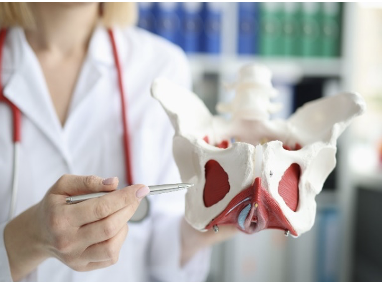
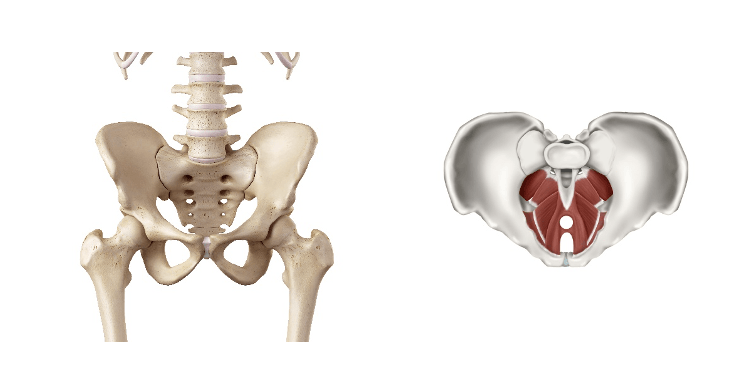
Pelvic floor dysfunction is an umbrella term given for conditions where the pelvic muscles around the bladder, anal canal and vagina are not optimally working.


Bladder & bowel symptoms should not just be associated with an ‘ageing population’ and can impact people at any time in their lives.  Females are more likely to develop bladder/urinary incontinence during and after pregnancy, giving birth and during the menopause due to various physiological changes. 


Males are more likely to develop urinary incontinence with age but this is most likely linked to a higher prevalence of prostate problems than just age itself.

It is important not to just ‘put up’ with symptoms! Raising awareness for everyone is key.


Common problems treated in Physiotherapy include;
urinary and bowel incontinence, prolapse, pelvic pain, over-active bladder symptoms, sexual problems, pregnancy related pain and also post-natal health/rehabilitation.

Changes in Urinary Symptoms


Symptoms may include but not just exclusive to;  

  • Urinary incontinence: leaking urine  
  • Frequency: increased number of times going to the toilet in the day or night-time
  • Urgency: rushing to the toilet 
  • Voiding: difficulties in emptying

Different types of Urinary incontinence:

There are different types of incontinence which have differing causes/ treatments:


  • Stress incontinence; leakage when coughing, laughing, sneezing or with exercise/activity
  • Urgency incontinence – sudden rush to go which is difficult to defer and leaking as not able to get there in time 
  • Mixed incontinence is a mix of the above
  • Overflow incontinence – difficulty emptying due to overactivity / obstruction.

Changes in Bowel symptoms:

Changes in bowel symptoms may include leakage, urgency, constipation, and straining. 


The impact of bladder & bowel problems:

  • Avoidance or reduced exercise

Exercise is important for all aspects of physical and mental-health. 

However, some activities/exercise may trigger stress incontinence and therefore some may avoid the exercise entirely

  • Emotional distress

Avoiding or reducing activities due to symptoms may cause emotional upset.

There can be vast differences in severity of symptoms e.g a mild annoyance to having a significant impact to daily life.  In turn, this can have an impact on mental health, well-being and social interaction

  • Intimacy/relationship issues

Sexual intercourse may be avoided or affected if it is a trigger for leakage or discomfort. There may be embarrassment and anxiety and this in turn may impact close relationships


Pre/ Post-natal care: 

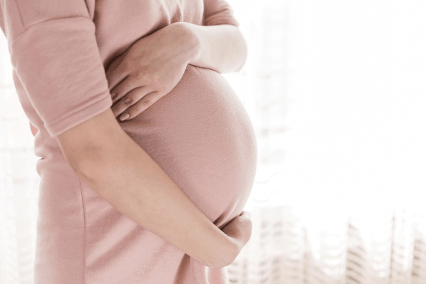
Approximately 1 in 5 females may develop discomfort/pain in their back and pelvic area during pregnancy – collectively called ‘Pelvic girdle pain’ (and formally known as SPD).

Symptoms can vary from mild pain to more severe symptoms; impacting walking and daily activities.  It is important to discuss concerns with a Midwife/GP but also getting treatment from a Pelvic health physiotherapist can help to manage symptoms.


Post-natally there may be concerns regarding returning to activity and exercise, concerns regarding a separation in the tummy muscles (diastasis recti) or bladder/bowel symptoms.


Physiotherapy can be helpful to help manage pains/discomfort or bladder/bowel symptoms during these times.  Symptoms are not just part of having a baby and should not be ignored!
Prevention/ Management strategies: 

To prevent pelvic floor dysfunction NICE (national institute for health & care excellence) guidance recommends the following;  “Ensure physical activity, a balanced diet, losing weight, stopping smoking, managing constipation & managing diabetes……”

  • Pelvic floor exercises are recommended for women of all ages by NICE as a prevention for symptoms of pelvic floor dysfunction
  • Pelvic health physiotherapy is recommended by NICE as the first line of treatment specifically for women with urinary incontinence. 

A positive starting point is to try pelvic floor exercises!
It is important as with any other muscle to ensure it is worked throughout range by contracting and fully relaxing.

A supervised pelvic floor programme is recommended for anyone who finds this difficult to do or is unsure of what they are doing or who may recognise other symptoms discussed here.   

Physiotherapy - What Can I Expect?

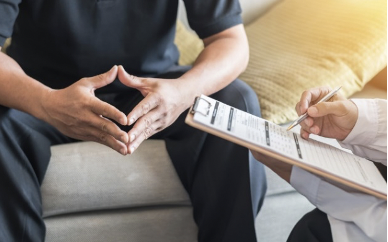
A Physiotherapy assessment will include taking a full history including symptom information and an assessment (if or when appropriate).  This information and results will help form a tailored management plan. 

A bespoke exercise plan for the pelvic floor muscle will consider the strength, endurance, power and relaxation of the muscle – the same as for any other muscle in the body! 

Although the pelvic floor muscle is important there are other treatment tools used such as bladder/food diaries, bladder training, positioning advice, relaxation strategies and global exercise as well as muscle biofeedback & neuro-muscular electrical stimulation if indicated.


What’s next….
If you recognise symptoms discussed here it is important to discuss with a health professional. It is never too late and you are never too old to seek help and treatment for symptoms relating to pelvic floor dysfunction! 

Pelvic Health Physiotherapists are used to talking about such symptoms so be reassured you will be welcomed and made to feel comfortable and at ease.


If you recognise any symptoms mentioned here, have questions, or would like further information…

Please get in touch we would be happy to help!


References:

- Images used under license from shutterstock.com

- NICE (2021) Pelvic floor dysfunction: prevention and non-surgical management. NICE guideline (NG210) National Institute for Health and Care Excellence

- NICE (2015a) Urinary incontinence in women. Quality Standard (QS77). National Institute for Health and Care Excellence

- NICE (2019) Urinary incontinence and pelvic organ prolapse in women: management. NICE guideline (NG123). National Institute for Health and Care Excellence

Statistics:  https://www.england.nhs.uk/2015/11/continence-care/#:~:text=Problems%20with%20the%20bladder%20affect,be%20a%20life%2Dchanging%20problemNew Paragraph

By Chelmsford Physio April 27, 2026
Finishing a marathon is a major physiological stressor. Recovery is not just “rest”; it is a structured process involving rehydration, glycogen restoration, tissue repair, neuromuscular reset, and smart return to training. Below are evidence-informed strategies that many endurance athletes use—aligned with what research says is most helpful for performance and health following long-duration running. 1. Rehydrate and restore electrolytes promptly Long races cause significant fluid loss through sweating and ongoing dehydration risk can impair recovery, thermoregulation, and subsequent performance. Rehydration is most effective when you replace both fluids and sodium (electrolytes), not water alone, particularly if your sweat rate is high or you experienced heavy sweating/cramping. Practical strategy: - Within the first few hours: drink fluids consistently (small-to-moderate amounts frequently). - Use an oral rehydration solution or a sports drink if you’ve been sweating heavily or your body needs sodium. Why it matters: - Water intake supports restoring plasma volume and cellular hydration. - Sodium improves fluid absorption and retention (helping you rehydrate more effectively). (See recommendations on hydration and sodium replacement in endurance settings: Baker and Jeukendrup, 2014; Rehrer, 2012)
By Chelmsford Physio April 27, 2026
Improve Your Parkrun - 500+ Google Reviews - Your Local Essex Physio - Riverside Leisure Centre - All Types of Physiotherapy
By Chelmsford Physio April 27, 2026
Groin pain is common in sport, with many possible causes. This blog explores its causes, assessment methods, and treatment strategies.