The Benefits of Joining a Gym in December: Get a Head Start on Your New Year Goals

Chelmsford Physio • November 25, 2025

As the holiday season approaches, many people are focused on festivities, family gatherings, and year-end celebrations However, December can also be the perfect time to start a fitness journey by joining a gym. While most individuals wait until January to kick off their New Year resolutions, signing up in December offers several unique advantages. Here’s why you should consider making that commitment now.
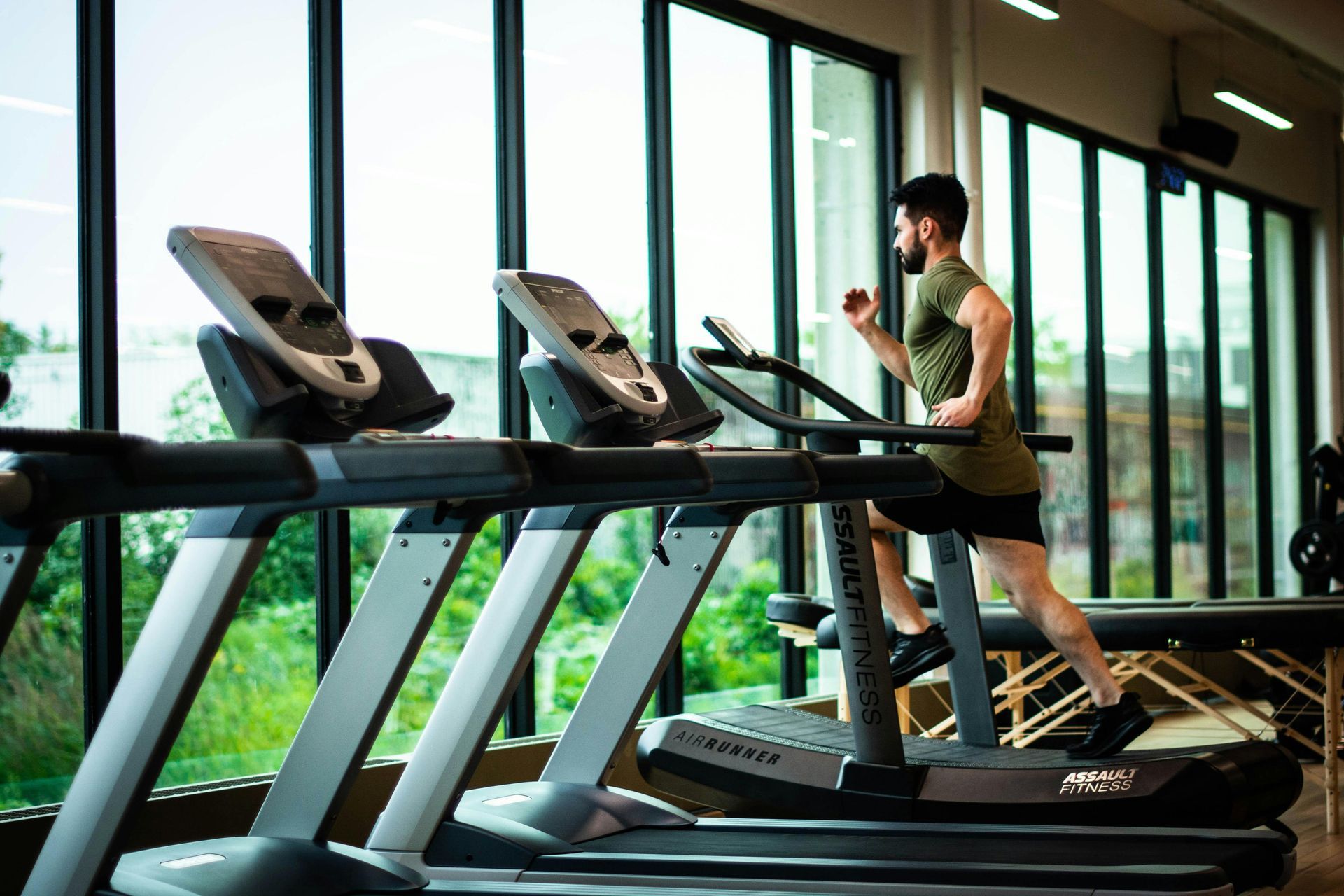


1. Less Crowded Facilities

One of the most significant benefits of joining a gym in December is the reduced crowd size. Most people delay their fitness goals until the New Year, meaning you’ll have more space and access to equipment. This allows you to settle into your new routine without the intimidation of large crowds or long wait times for machines.


2. Establishing a Routine Early

By starting your gym membership in December, you give yourself a head start on establishing a regular workout routine. This early commitment allows you to integrate exercise into your schedule before the New Year rush. When January arrives, you’ll already be accustomed to working out, making it easier to maintain your momentum.


3. Holiday Stress Relief

The holiday season can be a stressful time, with shopping, social obligations, and family gatherings. Exercise is a well-known stress reliever, and joining a gym gives you a dedicated space to unwind and focus on your health. A good workout can help clear your mind and improve your mood, making the holidays more enjoyable.


4. Access to Year-End Promotions & Deals

Many gyms offer promotions and discounts during the holiday season to attract new members. By joining in December, you can take advantage of these deals, including reduced membership fees, waived signup costs, or special offers on personal training sessions. It’s a great way to ensure you get the best value for your investment, and you could probably get a free month's training in December.



5. Social Opportunities

December is a time for socialising, and many gyms host holiday-themed classes or events. Participating in these activities helps you meet new people and makes your fitness journey more enjoyable. Building a community within the gym can provide you with accountability and support, which are crucial for long-term success.


6. Setting Realistic Goals

With the holiday season in full swing, it’s essential to be realistic about your fitness goals. December allows you to set achievable targets without the pressure of drastic changes. Use this month to focus on building healthy habits, such as consistent workouts and balanced nutrition, rather than aiming for dramatic transformations.


7. Kickstart Your New Year Resolutions

Starting your gym journey in December allows you to get a jump on your New Year resolutions By the time January arrives, you will already be on your way to achieving your fitness goals. This head start can give you the confidence and motivation to continue your efforts throughout the year.


8. Focus on Health & Wellness

Finally, joining a gym in December shifts your focus from holiday indulgence to health and wellness. Rather than waiting until January to make healthier choices, you can begin prioritising your physical fitness now. This proactive approach can lead to a more balanced and fulfilling holiday season.


Conclusion

December is often viewed as a time for celebration and relaxation, but it can also be the perfect opportunity to invest in your health. By joining a gym this month, you can enjoy the benefits of less crowded facilities, early routine establishment, and holiday stress relief while taking advantage of promotions and social opportunities. Don’t wait until January—start your fitness journey now and set yourself up for success in the New Year!


Chelmsford Physio

hello@chelmsfordphysio.co.uk

01245 895410

Riverside Leisure Centre, Victoria Rd, Chelmsford CM1 1FG

By Chelmsford Physio July 29, 2026
Athletes competing in hot and humid environments face significant physiological challenges that can impair performance and increase the risk of heat-related illness. From marathon runners in tropical climates to footballers playing summer tournaments, the ability to tolerate and perform in high temperatures is a critical component of elite sport. As a result, many athletes use structured heat acclimatisation strategies to prepare their bodies for environmental stress.  What Is Heat Acclimatisation? Heat acclimatisation refers to a series of physiological adaptations that occur when an athlete is repeatedly exposed to hot conditions during training. These adaptations typically develop over 7–14 days and help the body improve its ability to regulate temperature, maintain performance, and reduce cardiovascular strain during exercise in the heat. Common methods include: ● Training in hot environments (natural or artificial heat chambers) ● Passive heat exposure (saunas or hot water immersion post-training) ● Adjusting clothing to increase thermal load during sessions ● Gradual exposure to increased environmental temperatures The goal is to safely stress the thermoregulatory system so the body becomes more efficient at dissipating heat.
By Chelmsford Physio July 29, 2026
Ice baths, also known as cold water immersion (CWI), have become a common recovery strategy among elite athletes, particularly footballers. From Premier League changing rooms to Olympic training camps, many professionals immerse themselves in cold water after intense matches and training sessions. While the sight of players sitting in freezing water may seem extreme, there is growing scientific evidence explaining why this recovery method is so widely used. What Is an Ice Bath? An ice bath typically involves immersing the body (or lower limbs) in water between 10–15°C for 10–15 minutes shortly after exercise. The aim is to promote recovery by reducing muscle soreness, inflammation and fatigue, allowing athletes to perform consistently during periods of heavy training or competition. Why Do Footballers Use Ice Baths? Football is a physically demanding sport involving repeated sprinting, jumping, tackling, rapid changes of direction and high-impact collisions. These actions create microscopic muscle damage and trigger an inflammatory response. Cold water immersion is commonly used because it may help: ● Reduce delayed onset muscle soreness (DOMS) ● Minimise post-exercise swelling ● Decrease perceptions of fatigue ● Improve recovery between matches ● Maintain performance during congested fixture schedules For professional footballers playing two or three matches per week, rapid recovery is often as important as training itself. 
By Chelmsford Physio July 29, 2026
The FIFA World Cup is a unique tournament environment: elite athletes compressed into a short, high-stakes schedule, with repeated sprinting, sudden acceleration/deceleration, frequent collisions, and often limited time for full tissue recovery. It’s not surprising that the injury pattern in football tends to cluster around the lower limb—particularly the hamstrings, groin/hip-adductors, knee, and ankle. Across football research more broadly, these are repeatedly identified as the most common locations and/or injury mechanisms, even if the exact percentages differ by competition and injury-reporting method. Below is a physio-focused overview of the most common injury “types/regions” you should expect to see at World Cup 2026, along with practical assessment and management themes. 1) Muscle strains—especially hamstrings (HSI)  Why they happen in tournaments: Hamstring strain injuries (HSIs) are strongly associated with high-speed running and the physical demands of sprinting mechanics. In injury surveillance and football epidemiology, hamstring injuries consistently appear among the most common soft-tissue problems, with meaningful recurrence risk. What a physio will look for: - History: onset during acceleration/sprinting, feeling of “pull,” bruising (sometimes). - CNS/tissue considerations: prior injury, training load spikes, inadequate sprint exposure progression. - Clinical exam: focal tenderness, resisted muscle testing, and functional tests aligned to your local protocols (e.g., pain-free activation and lengthening tolerance). Rehabilitation themes: - Restore capacity for high-speed eccentric/concentric demands (not just range of motion). - Use progressive loading and functional return-to-play criteria to address reinjury risk—because football research highlights that the hamstring is one of the most frequently reinjured regions.