
‘The Hips don’t lie’ Don’t blame it all on the hip flexors
Running is a great form of exercise that offers numerous health benefits. However, like any sport, running can also lead to certain injuries and discomfort. One common complaint among runners is anterior hip pain, which refers to pain experienced in the front of the hip joint. In this blog, we will explore the causes, symptoms, and treatment options for anterior hip pain in runners.
I. Causes of Anterior Hip Pain in Runners:
Anterior hip pain in runners can arise from various factors, including:
1. Hip Impingement Syndrome:
Also known as femoroacetabular impingement (FAI), this condition occurs when there is abnormal contact between the ball (femoral head) and socket (acetabulum) of the hip joint. Over time, this repetitive friction can lead to hip pain.

2. Hip Flexor Strain:
The hip flexor muscles, can become strained or irritable due to overload or poor running mechanics. This can result in anterior hip pain.New Paragraph
3. Labral Tear:
The labrum is a ring of cartilage that surrounds the hip socket. It can be torn or damaged due to repetitive stress or trauma, causing anterior hip pain.
4. Stress Fractures:
Runners who engage in high-impact activities are at risk of developing stress fractures in the hip joint. Stress fractures can cause significant pain and discomfort.
II. Symptoms of Anterior Hip Pain:
The symptoms of anterior hip pain may vary depending on the underlying cause. Common signs and symptoms include:
1. Pain or discomfort in the front of the hip, groin, or upper thigh region.
2. Pain that worsens with running, especially during activities that involve hip flexion.
3. Stiffness or decreased range of motion in the hip joint.
4. Clicking or locking sensation in the hip joint.
5. Difficulty with activities such as walking, climbing stairs, or sitting for extended periods.
It is important to consult a specialist in this area, for an accurate diagnosis and appropriate treatment.
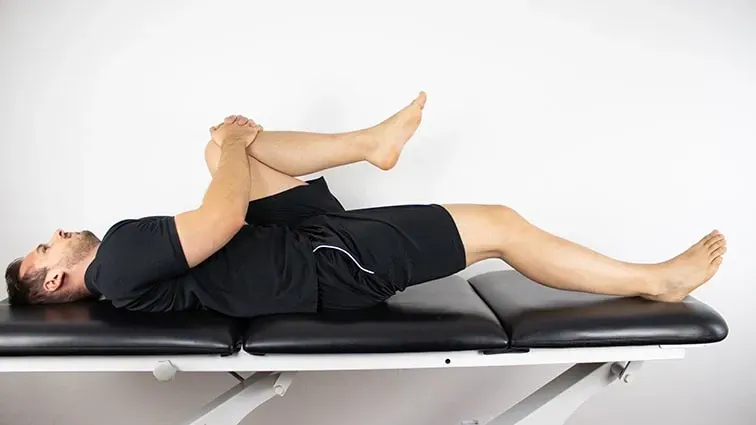
III. Treatment Options:
New Paragraph
1. Rest and Modification of Activities:
Reducing or temporarily avoiding activities that exacerbate the pain can help alleviate symptoms and promote healing. It is uncommon to stop all exercise, but maybe swapping running for swimming maybe a helpful modification fo a short period.
2. Physiotherapy
A physio can develop a bespoke exercise program to improve hip strength, flexibility, and running mechanics. This may include stretching exercises, strengthening exercises, and gait analysis.
3. Non-Steroidal Anti-Inflammatory Drugs (NSAIDs):
Over-the-counter NSAIDs, such as ibuprofen, may provide temporary relief from pain and inflammation associated with anterior hip pain. However, these should be used under medical supervision, and might be worth consulting your GP or pharmacist.
4. Injections:
Corticosteroid injections are not often needed, but may be recommended to reduce inflammation and alleviate pain. These injections are generally administered under the guidance of a consultant and maybe considered when symptoms don’t settle with the Physio & a given timeframe.
It is crucial to work closely with a specialist to determine the most suitable treatment approach based on individual circumstances.
Anterior hip pain can significantly impact a runner's performance and overall quality of life. Understanding the causes, recognising the symptoms, and seeking appropriate treatment are vital for a successful recovery. While this blog provides valuable information, it is essential to consult a specialist for an accurate diagnosis and bespoke treatment plan. By taking the necessary steps to address anterior hip pain, runners can regain comfort, resume their training, and continue to enjoy the benefits of running.
Chelmsford Physio
Riverside Leisure Centre, Victoria Rd, Chelmsford CM1 1FG