3 Top Tips to Help With Acute Neck Pain

Chelmsford Physio • August 30, 2023

Neck pain is a common complaint that affects a significant portion of the population at some point in their lives. Whether it's due to posture, muscle strain, or underlying medical conditions, neck pain can be debilitating and impact daily activities. In this blog, we will explore three top tips to help you effectively manage neck pain and find relief.


Regular exercise and stretching can improve neck pain, flexibility, and overall function. The key in the early stages is performing exercises and changing your position on a regular basis, every 20-30 minutes can really help.


  1. Neck stretches: Gently rotate your head to the left as far as you can for 3-5 seconds and repeat to the right. Drop your ear to your shoulder as far as you can for 3-5 seconds and repeat on the other side. Shoulder rolls: Roll your shoulders forward and backward in a circular motion to release tension in the neck and shoulders.
  2. Neck strengthening exercises: Perform exercises that target the neck muscles, such as gentle neck isometrics (applying resistance with your hand while resisting with your neck) or chin tucks (tucking your chin inwards while keeping your head level). You can use a ball against a wall to perform these isometric exercises, please see a link to our video on how to perform these https://youtu.be/pHGFYgE1lc8?si=N1yITikesV5PFEfD 
  3. Apply Heat or Cold Therapy:


Heat and cold therapies can provide temporary relief from neck pain and reduce inflammation.


a. Heat therapy: Apply a warm compress or take a warm shower to relax tense muscles and increase blood flow to the affected area. Use heat therapy for short periods, around 15-20 minutes at a time.


b. Cold therapy: Apply an ice pack wrapped in a thin cloth to the painful area for 15-20 minutes. Cold therapy helps reduce inflammation and numb the area, providing pain relief.


c. Alternate heat and cold: Some individuals find relief by alternating between heat and cold therapy. Start with heat for a few minutes, followed by cold for a few minutes. Repeat this cycle several times.


Neck pain can significantly impact your quality of life, but by implementing these top tips you can effectively manage and alleviate discomfort. Remember to practice regular exercise and stretching, and consider using heat or cold therapy as needed.


At Chelmsford Physio we see thousands of clients every year with neck pain, and help them successfully resolve their symptoms. We have expert physiotherapists that can help with your neck pain, by helping you understand what is driving/causing your symptoms and formulating a personalised treatment plan. If you’d like some advice on how we can help, please get in touch!


Chelmsford Physio

hello@chelmsfordphysio.co.uk

01245 895410

Riverside Leisure Centre, Victoria Rd, Chelmsford CM1 1FG

By Chelmsford Physio • October 27, 2026
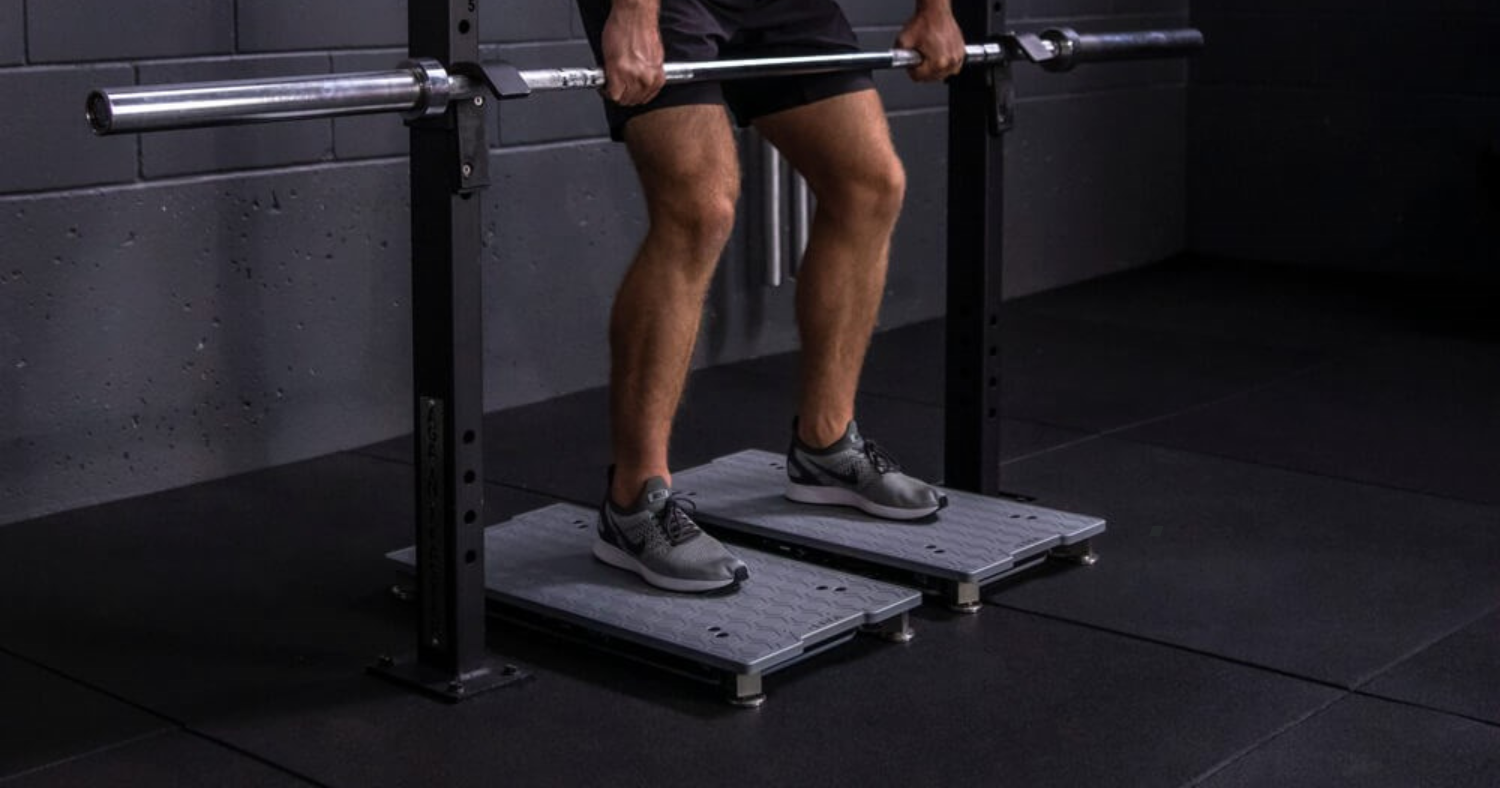
In modern physiotherapy, clinical expertise remains fundamental, but technology is transforming how we assess, monitor and guide rehabilitation. One of the most valuable innovations is the use of force plate technology, and at our clinic we utilise the VALD ForceDecks to provide objective, reliable data throughout a patient’s rehabilitation journey. Rather than relying solely on observation or subjective feedback, ForceDecks enable us to accurately measure how your body produces and absorbs force. This allows us to identify movement deficits that may not be visible to the naked eye, track progress over time, and make evidence-based decisions regarding exercise progression and return to activity. What are VALD ForceDecks? VALD ForceDecks are dual force plates that measure the forces generated through the feet during a wide variety of movements. Using highly sensitive load cells, they capture detailed information about strength, balance, power, asymmetries and movement strategies. Common assessments include: Countermovement jumps Squat assessments Single-leg balance testing Sit-to-stand testing Isometric strength testing Landing mechanics Hop testing for return-to-sport decisions Within seconds, the software analyses hundreds of metrics that provide clinicians with objective insight into a patient’s physical performance. Why Objective Assessment Matters Traditional physiotherapy assessments rely on observation, manual muscle testing and patient-reported symptoms. Whilst these remain valuable, they can miss subtle deficits that increase the risk of delayed recovery or re-injury. ForceDecks allow physiotherapists to quantify movement rather than estimate it. For example, following an ACL reconstruction, a patient may appear to squat evenly. However, ForceDecks often reveal significant offloading of the surgical limb, reduced eccentric control or delayed force production. These hidden compensations can then become specific treatment targets. Objective measurements also improve communication between clinician and patient. Seeing measurable improvements in strength or symmetry provides reassurance that rehabilitation is progressing, even when symptoms fluctuate. Monitoring Progress with Precision One of the greatest benefits of ForceDecks is the ability to track rehabilitation over time. Instead of simply asking whether someone feels stronger, we can measure improvements in: Peak force production Limb symmetry Rate of force development Jump height Landing forces Balance performance Weight distribution This enables rehabilitation programmes to be progressed based on measurable performance rather than arbitrary timelines. Improving Return-to-Sport Decisions Returning to sport too early remains one of the biggest risk factors for re-injury. Research has consistently demonstrated that persistent strength deficits and movement asymmetries can remain long after pain has resolved. ForceDecks help clinicians identify these deficits before an athlete returns to competition. Objective testing can assist with: Assessing readiness to return to running Evaluating landing mechanics Measuring explosive power Identifying left-right asymmetries Monitoring fatigue Reducing the risk of subsequent injury Rather than relying on a single test, ForceDecks contribute to a comprehensive return-to-performance assessment that combines physical capacity with clinical reasoning.
By Ben Jones • October 27, 2026
On 23 and 24 October, I represented Chelmsford Physio at VALDCon London, held at Lord's Cricket Ground. VALD makes the ForceDecks force plates and DynaMo dynamometer we use in clinic to measure strength, power and left-right balance. The two days brought together physios and sports scientists from elite sport, including England cricket, British Athletics and professional football. They shared how they use testing to guide rehab and return to sport. Here are the takeaways most relevant to you, and how we're bringing them into the clinic. 
By Chelmsford Physio • October 14, 2026
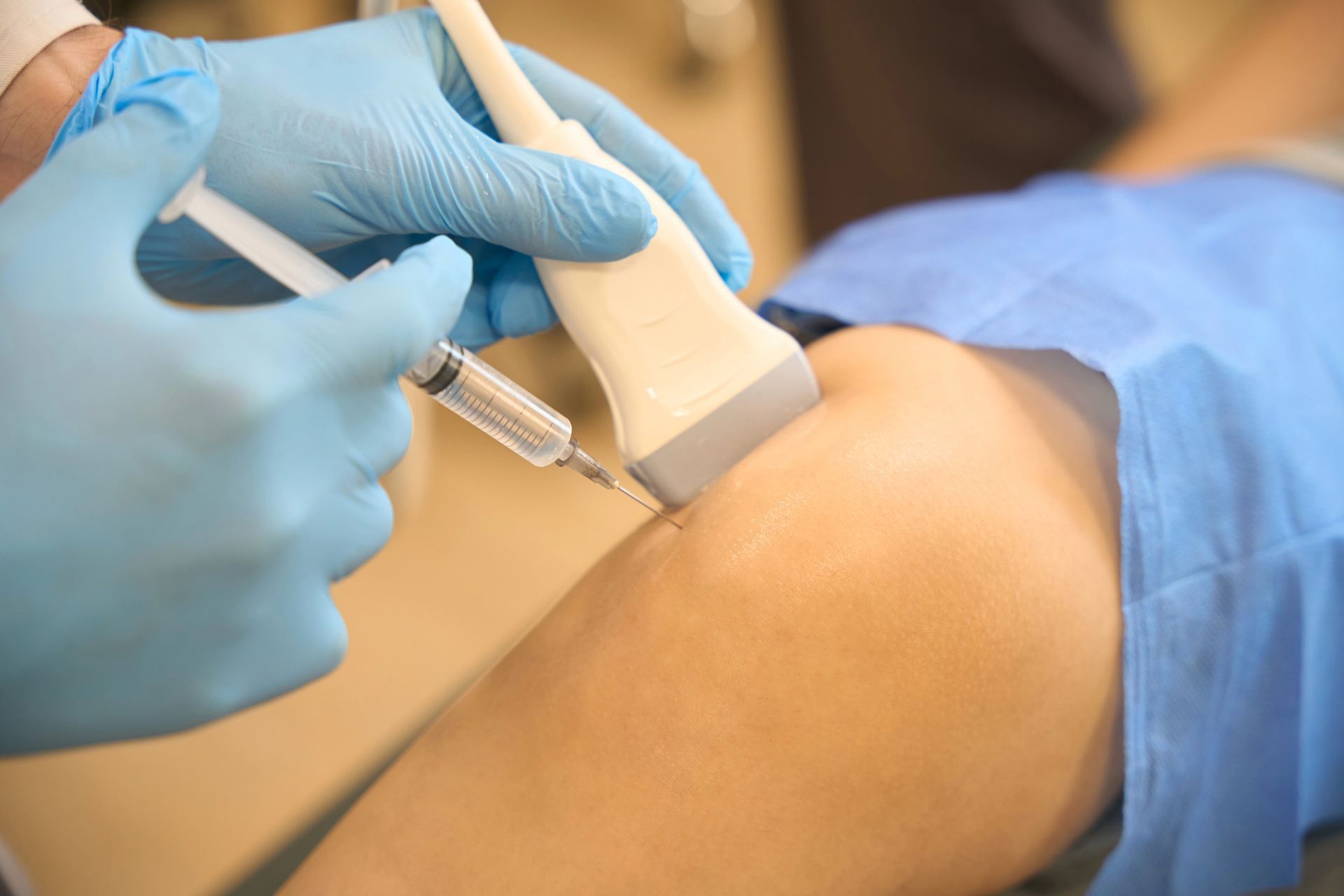
Based at Riverside Leisure Centre in Chelmsford, we are excited to introduce our ultrasound-guided injection service.