The Benefits of Using VALD Force Decks to Assess Athletes: What Physios Get Right Away
If you work with athletes, you already know that “good enough” testing isn’t enough. Performance changes quickly, technique varies from session to session, and fatigue can quietly shift how someone moves—even when they feel fine. That’s where force platforms like VALD Force Decks can be a game-changer for physio-led assessment and ongoing monitoring.
Below, we break down the key benefits physios can use when assessing athletes with VALD force decks—from clarity in sprint and jump performance to smarter return-to-play decisions.
If you are not testing, you are guessing!
1) Objective data beats guesswork
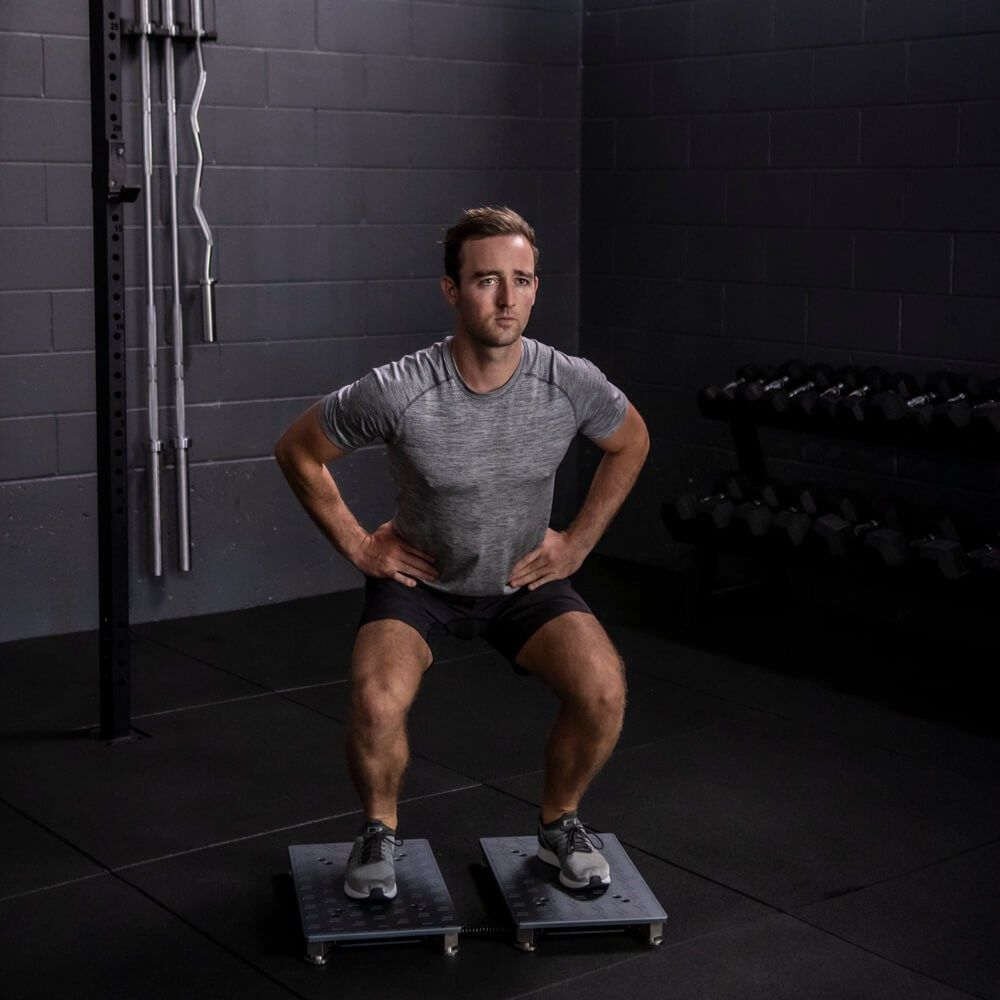
Athletes and coaches often have great intuition, but clinicians need more than “it looked better.” VALD force decks provide quantitative, repeatable measures of force and performance through movements like jumping, landing, and dynamic tasks.
Why it matters:
When you’re tracking change over time, objective metrics reduce uncertainty and help you answer questions like:
- Is this athlete actually improving, or just moving “better” subjectively?
- Are their landing mechanics more stable because strength improved, or because the movement strategy changed temporarily?
2) Faster, more consistent assessment of movement quality
Force decks help move physio assessment away from purely observational testing and toward measurable movement quality.
Instead of relying only on what you can see, you can evaluate key components such as:
- how forces load through each limb,
- how transitions happen during movement,
- and how consistent an athlete is across trials.
For physios, the practical win is efficiency:
When you can structure testing protocols with consistent setup and clear outputs, your assessments become easier to compare session-to-session.
3) Better detection of asymmetries (and whether they’re clinically meaningful)
Asymmetry isn’t always bad—but unmanaged asymmetry can increase injury risk and reduce performance. VALD force decks support detailed side-to-side comparisons for dynamic tasks.
What you can do with the data:
- Identify whether an athlete has persistent limb loading differences
- Determine if asymmetries change after rehab phases
- Monitor whether training restores symmetry alongside performance gains
Clinically important point:
A movement may look “fine,” yet force data might show that one limb is compensating to maintain the same outcome.
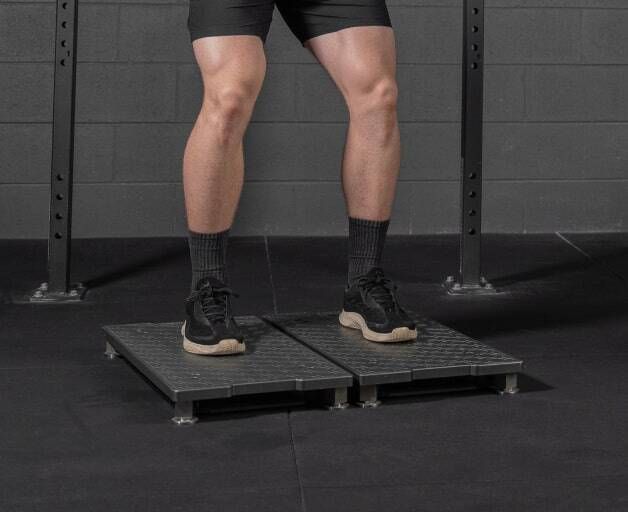
4) More confidence with return-to-play decisions
Return-to-play should be based on more than completing rehab and passing one functional test. Force deck testing helps you build a stronger evidence trail.
When paired with your strength and movement screening, VALD Force Decks can contribute to:
- monitoring readiness trends across weeks,
- confirming improved capacity for high-force tasks,
- and supporting progression criteria (rather than relying on time alone).
Result:
You can reduce both under- and over-shooting rehab goals—helping athletes return when they’re truly ready to cope with game demands.
5) Tracks progress in a way athletes actually understand
Rehab compliance improves when athletes can see their progress clearly. “You’re getting better” is true, but it doesn’t always motivate.
Force deck metrics can give you a way to show improvement that feels concrete, such as:
- greater force production in performance tasks,
- improved landing control,
- reduced variability across trials,
- and progress in symmetry.
Coaching benefit:
When the data is consistent and easy to interpret, it becomes a powerful communication tool between physio, S&C staff, coaches, and the athlete.
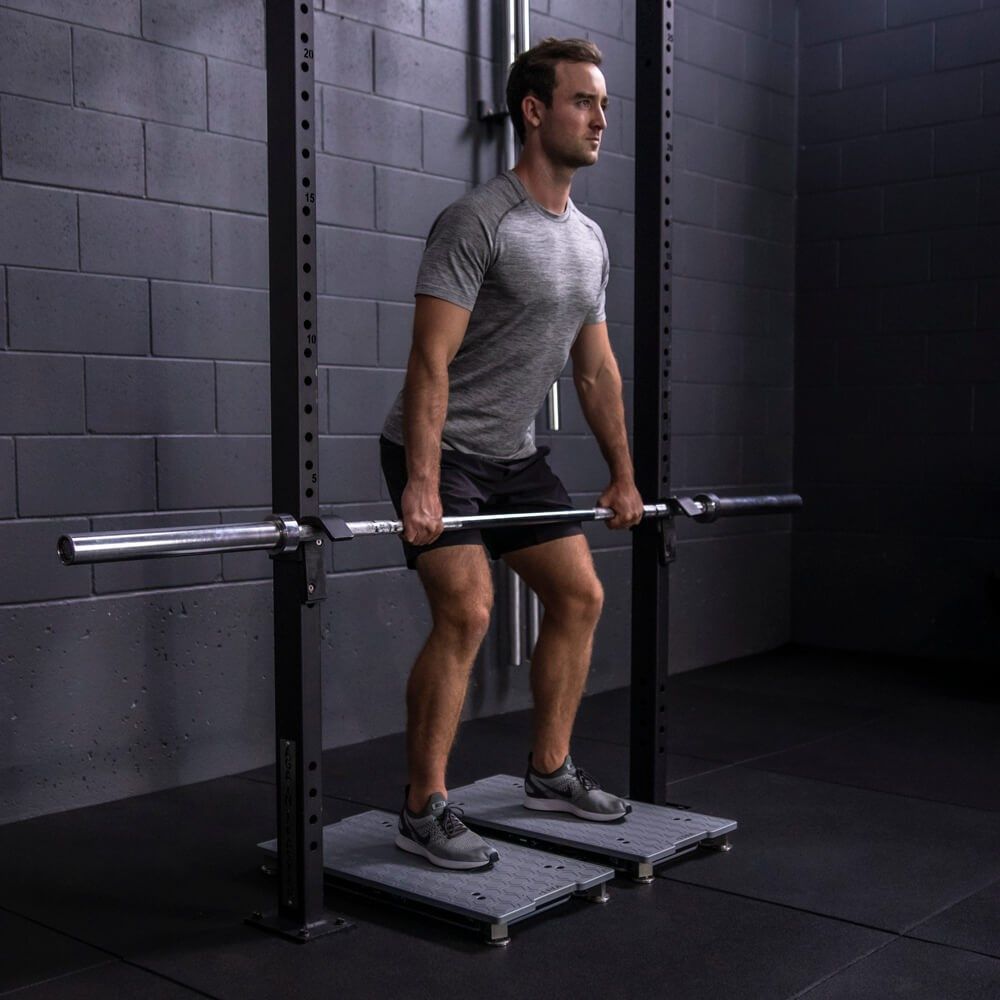
6) Supports individualised programming (instead of generic rehab)
Two athletes can both “have knee pain” yet need completely different rehab emphasis. Force deck results can help you identify what’s limiting performance for that individual—especially during high-demand tasks like jumping, landing, and rapid direction changes.
That means your programming can be more targeted:
- strength and power work matched to observed outputs,
- landing mechanics work guided by measured loading demands,
- and conditioning progression informed by readiness markers.
In short:
Assessment informs training—not just in theory, but in your weekly decisions.
7) Great for monitoring fatigue and training effects over time
Training changes the body continuously. Force deck testing helps you observe how performance behaves under different conditions—such as changes in training loads or proximity to competition.
That enables physios to consider questions like:
- Is the athlete maintaining quality output?
- Are asymmetries increasing under fatigue?
- Are their landing strategies becoming less stable?
Why it matters for prevention:
Fatigue-related changes are often where injuries start. Better monitoring can help you intervene earlier.
How to Use VALD Force Decks Effectively in a Physio Setting:
To get the best results from any force testing system, consistency is key. Consider building your process around:
1. Clear protocols (same warm-up, same setup, same trial count)
2. Standardized movement tasks relevant to the sport
3. Injury-specific outcome measures (e.g., landing readiness for lower limb rehab)
4. A plan for progression tied to measurable change
5. Baseline → re-test → progression across rehab phases
Final Thoughts:
VALD Force Decks help physios do what athletes need most: objective, sport-relevant assessment that supports clinical decision-making, tracks readiness, and strengthens return-to-play confidence.
If you’re currently relying heavily on subjective observation or single-point tests, force deck data can help you shift to a more structured, measurable approach—one that athletes understand and coaches trust.