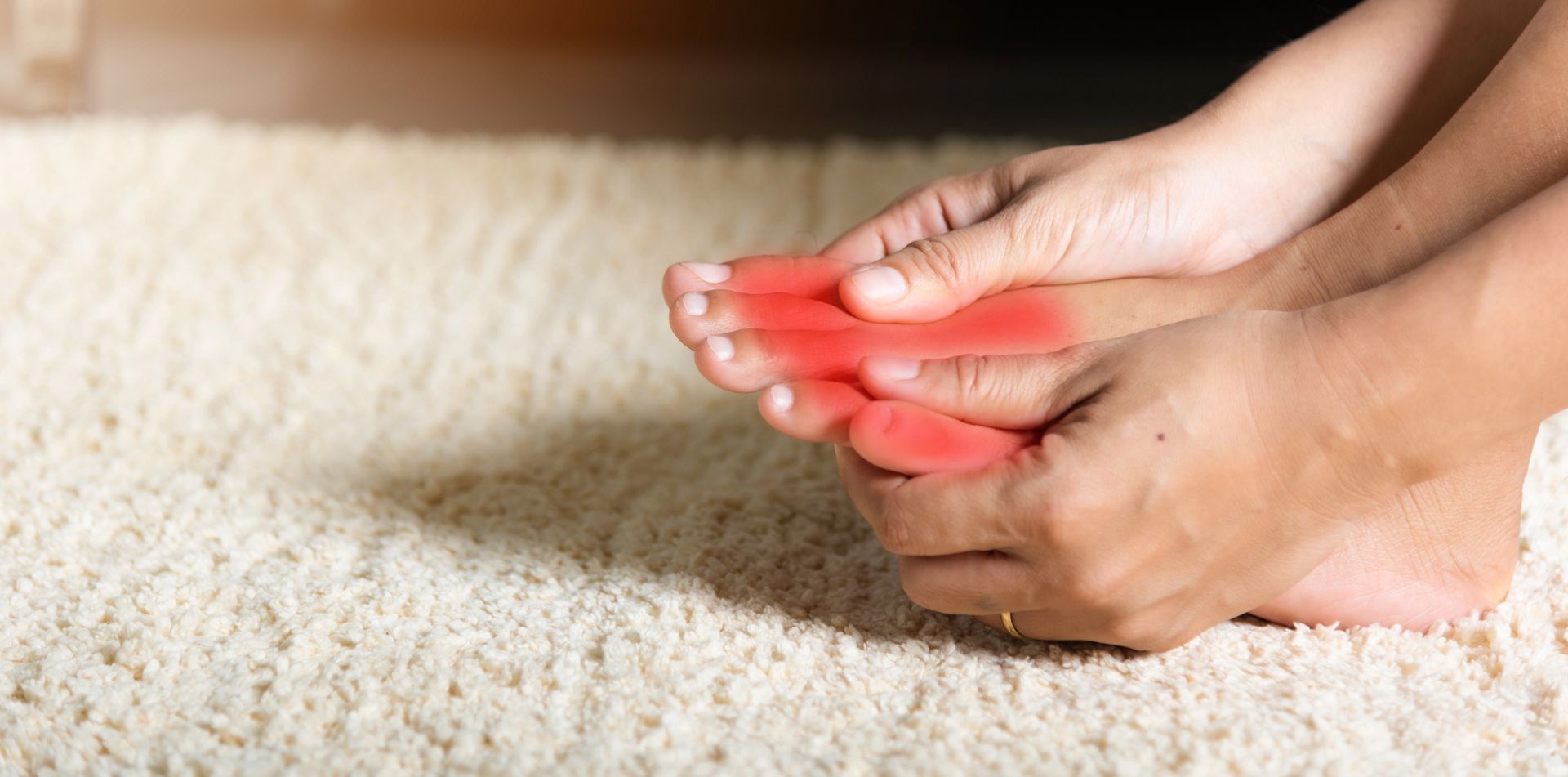
Recover Faster with Game Ready Ice & Compression Therapy in Chelmsford

Chelmsford Physio • May 12, 2026

If you’re experiencing pain, swelling, or stiffness due to an injury, trauma, or surgery, our 360º approach to your health and well-being is designed to help you heal quicker—and get back to doing what you love.


As part of your personalised treatment plan at Chelmsford Physio, your clinician may recommend Game Ready Ice & Compression Therapy—a professional-level system now available to rent directly through our clinic.
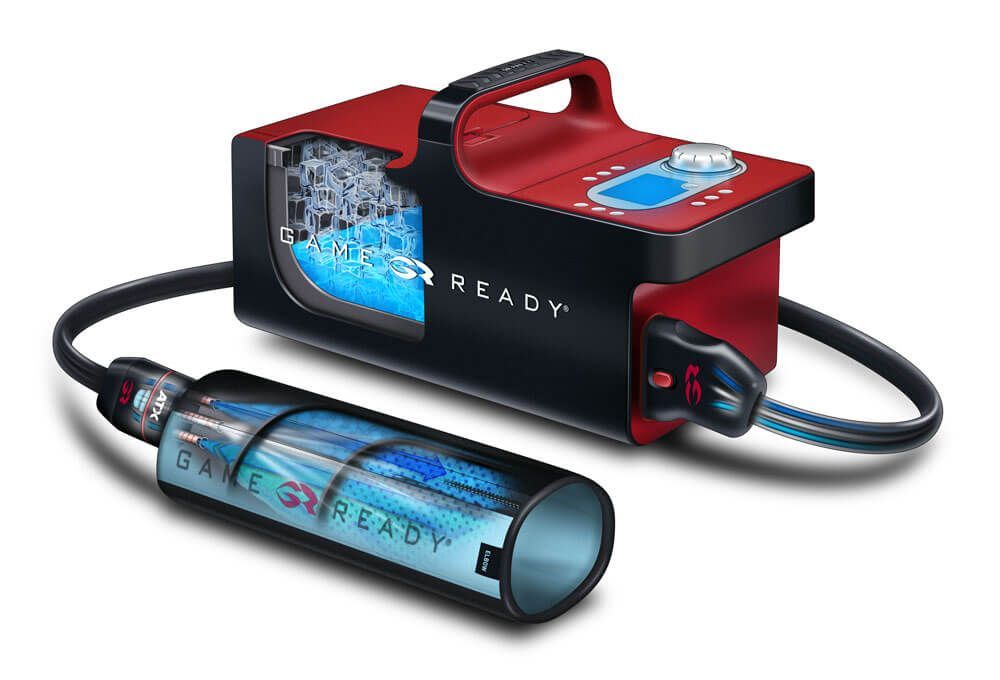

What Is the Game Ready System?

The Game Ready system combines active cold therapy with compression treatment in one powerful, easy-to-use solution. It’s the same technology used by elite sports teams, athletes, and rehabilitation professionals to manage pain, reduce swelling, and speed up recovery.


Unlike traditional icing methods, the Game Ready machine delivers consistent cold therapy while applying intermittent compression, allowing deeper penetration into injured tissues. This helps target inflammation more effectively and provides faster, more complete recovery.


How It Works

The system uses a specially designed sleeve that wraps around the injured area. Cold water is continuously circulated through the sleeve in a loop, drawing out heat and reducing inflammation.


At the same time, the outer layer of the wrap inflates with air to provide compression. This combination helps limit swelling, improve lymphatic drainage, and mould the wrap closely to the body—optimising the effect of cold therapy.


Benefits of Game-Ready Therapy

Game Ready therapy isn’t just a fancy ice pack. It’s a proven medical-grade system with real physical benefits:


  • Reduces pain, swelling, and muscle spasms
  • Decreases inflammation at a deeper tissue level
  • Promotes faster healing and tissue regeneration
  • Improves oxygen and nutrient delivery to the affected area


Whether you’re recovering from surgery, managing a sports injury, or simply looking for a smarter way to reduce swelling and discomfort, Game Ready is a powerful addition to your rehab plan.


Is Game Ready Therapy Right for You?

Game Ready can support recovery from a range of conditions and procedures. It’s particularly effective for:


✅ Sports & Exercise Injuries

Struggling with a niggle or acute injury? Game Ready helps reduce downtime and improve resilience, so you can return to training stronger.


✅ Pre & Post-Operative Rehab

Planning surgery or already in recovery? This treatment can help prepare your body pre-op and accelerate healing post-op with less swelling and pain.


At Chelmsford Physio, our specialist clinicians integrate game-ready therapy into bespoke treatment programmes that put you at the centre. With no time limits on appointments, expert guidance, and access to premium technology like Game Ready, we give you the best possible chance of making a full recovery.


Want to Try Game Ready Therapy?

Now available to rent at Chelmsford Physio—ask your clinician if Game Ready is right for your injury or recovery plan.


Contact Chelmsford Physio to book your consultation or learn more.


Jon McComish PGc BSc (Hons)
Clinic Director & Chartered Physiotherapist


Chelmsford Physio

hello@chelmsfordphysio.co.uk

01245 895410

Riverside Leisure Centre, Victoria Rd, Chelmsford CM1 1FG
By Chelmsford Physio August 11, 2026
Chelmsford Physio uses the VALD Dynamo — the world’s most advanced handheld strength and movement testing system for patients and athletes.
By Chelmsford Physio August 11, 2026
In modern physiotherapy, clinical expertise remains fundamental, but technology is transforming how we assess, monitor and guide rehabilitation. One of the most valuable innovations is the use of force plate technology, and at our clinic we utilise the VALD ForceDecks to provide objective, reliable data throughout a patient’s rehabilitation journey. Rather than relying solely on observation or subjective feedback, ForceDecks enable us to accurately measure how your body produces and absorbs force. This allows us to identify movement deficits that may not be visible to the naked eye, track progress over time, and make evidence-based decisions regarding exercise progression and return to activity. What are VALD ForceDecks? VALD ForceDecks are dual force plates that measure the forces generated through the feet during a wide variety of movements. Using highly sensitive load cells, they capture detailed information about strength, balance, power, asymmetries and movement strategies. Common assessments include: Countermovement jumps Squat assessments Single-leg balance testing Sit-to-stand testing Isometric strength testing Landing mechanics Hop testing for return-to-sport decisions Within seconds, the software analyses hundreds of metrics that provide clinicians with objective insight into a patient’s physical performance. Why Objective Assessment Matters Traditional physiotherapy assessments rely on observation, manual muscle testing and patient-reported symptoms. Whilst these remain valuable, they can miss subtle deficits that increase the risk of delayed recovery or re-injury. ForceDecks allow physiotherapists to quantify movement rather than estimate it. For example, following an ACL reconstruction, a patient may appear to squat evenly. However, ForceDecks often reveal significant offloading of the surgical limb, reduced eccentric control or delayed force production. These hidden compensations can then become specific treatment targets. Objective measurements also improve communication between clinician and patient. Seeing measurable improvements in strength or symmetry provides reassurance that rehabilitation is progressing, even when symptoms fluctuate. Monitoring Progress with Precision One of the greatest benefits of ForceDecks is the ability to track rehabilitation over time. Instead of simply asking whether someone feels stronger, we can measure improvements in: Peak force production Limb symmetry Rate of force development Jump height Landing forces Balance performance Weight distribution This enables rehabilitation programmes to be progressed based on measurable performance rather than arbitrary timelines. Improving Return-to-Sport Decisions Returning to sport too early remains one of the biggest risk factors for re-injury. Research has consistently demonstrated that persistent strength deficits and movement asymmetries can remain long after pain has resolved. ForceDecks help clinicians identify these deficits before an athlete returns to competition. Objective testing can assist with: Assessing readiness to return to running Evaluating landing mechanics Measuring explosive power Identifying left-right asymmetries Monitoring fatigue Reducing the risk of subsequent injury Rather than relying on a single test, ForceDecks contribute to a comprehensive return-to-performance assessment that combines physical capacity with clinical reasoning.
By Chelmsford Physio August 11, 2026
As pre-season gets underway, players across all levels of football and rugby are preparing for the demands of a long and physically challenging season. Whether you’re returning after a well-earned break, recovering from injury, or aiming to improve your performance, the weeks before competition begin are some of the most important in your sporting calendar. Many athletes focus solely on fitness and technical training during pre-season. However, ensuring your body is physically prepared is just as important. A comprehensive physiotherapy assessment can identify weaknesses, movement restrictions and performance deficits before they become injuries, allowing you to enter the season stronger, faster and more resilient. Why Pre-Season Preparation Matters  Football and rugby place significant demands on the body. Players are required to accelerate, decelerate, sprint, change direction, jump, land, tackle and absorb contact repeatedly throughout a match. Following the off-season, reductions in strength, power, aerobic fitness and neuromuscular control can increase the likelihood of injury if training loads increase too quickly (Gabbett, 2016). Common injuries seen during the early part of the season include: Hamstring strains Calf injuries Groin pain Ankle sprains Knee ligament injuries Quadriceps strains Shoulder injuries (particularly in rugby) Preparing your body before the competitive season begins can significantly reduce these risks.