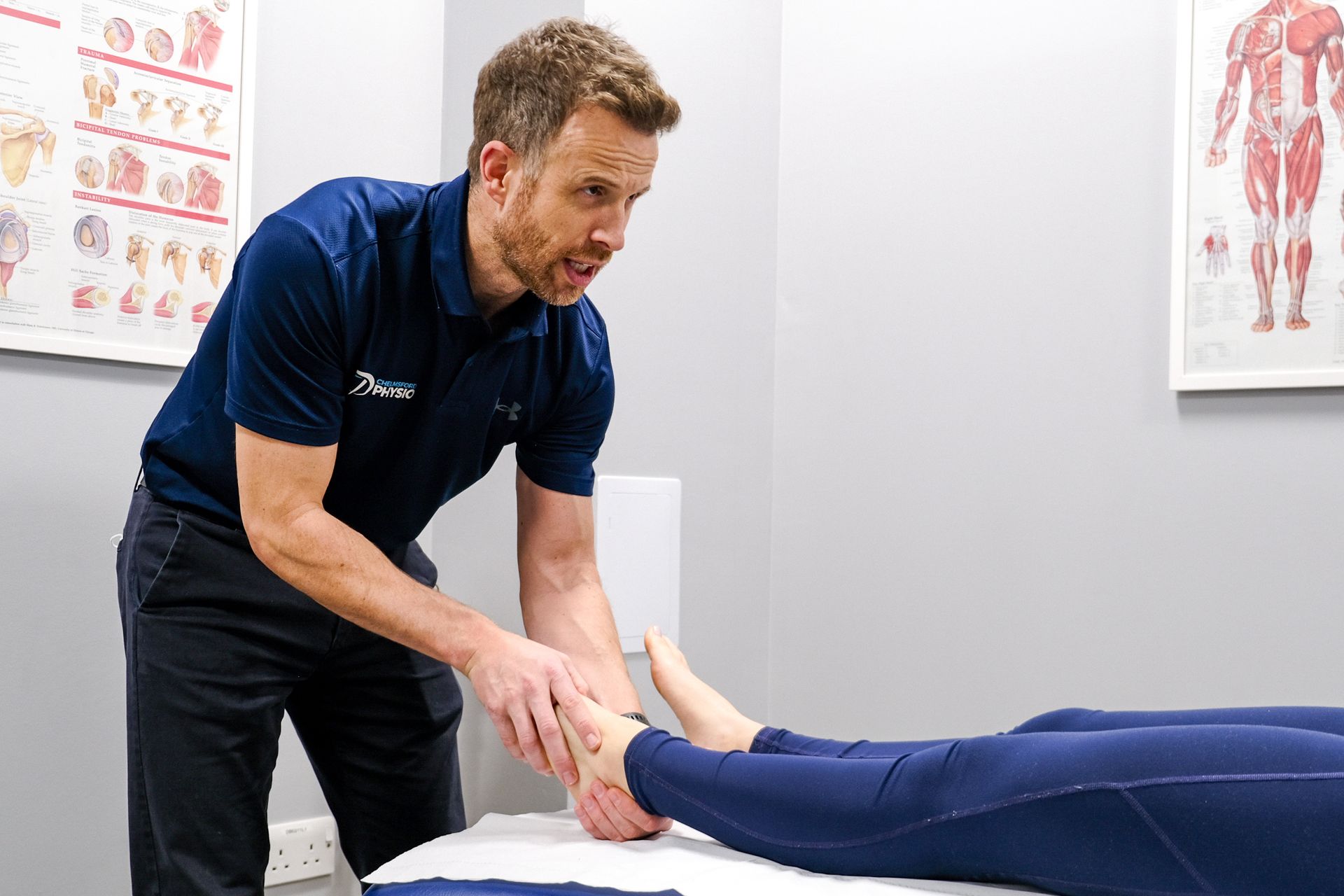
What Is Greater Trochanter Pain Syndrome
It's Something We See A Lot & There Are Things We Can Do To Help.
Firstly, its important to understand what’s causing/driving your pain.
One of the most coming diagnosis we see is Greater Trochanter Pain Syndrome, this commonly relates to pain from the Gluteal tendon. Previously a diagnosis of Trochanteric Bursitis was used, but this relates to the bursa, when actually the root of the problem is the Gluteals.
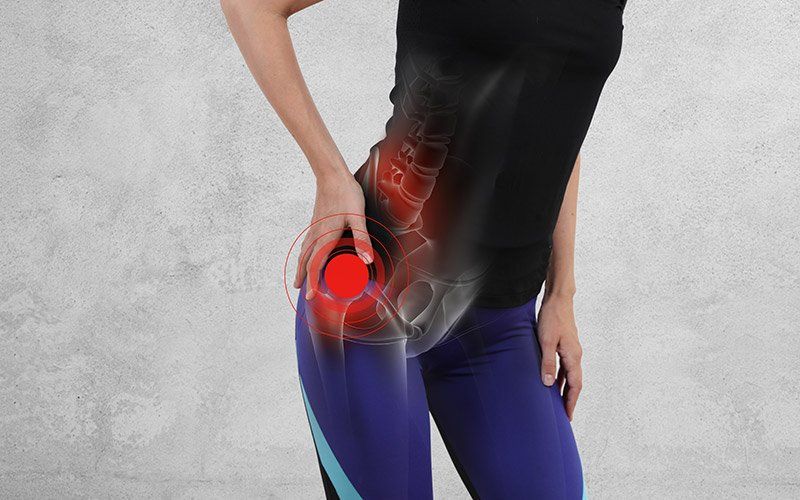
Finding The Source of Pain
It's really important to rule out some other possible sources of pain, or differential diagnosis. This can be done through the subjective information we take when we ask all our Qs in the session, and through the physical examination which helps us to rule things in and rule things out.
The main aggravating factors, or what makes the pain worse, often relates to
- prolonged sitting postures
- climbing stairs
- high impact activities, or running
- laying on that side in bed at night
Some of the differential diagnosis to rule out may include:
- Hip Arthritis or other hip joint pathologies
- Referred pain from joints/muscle in the back
- Sciatica
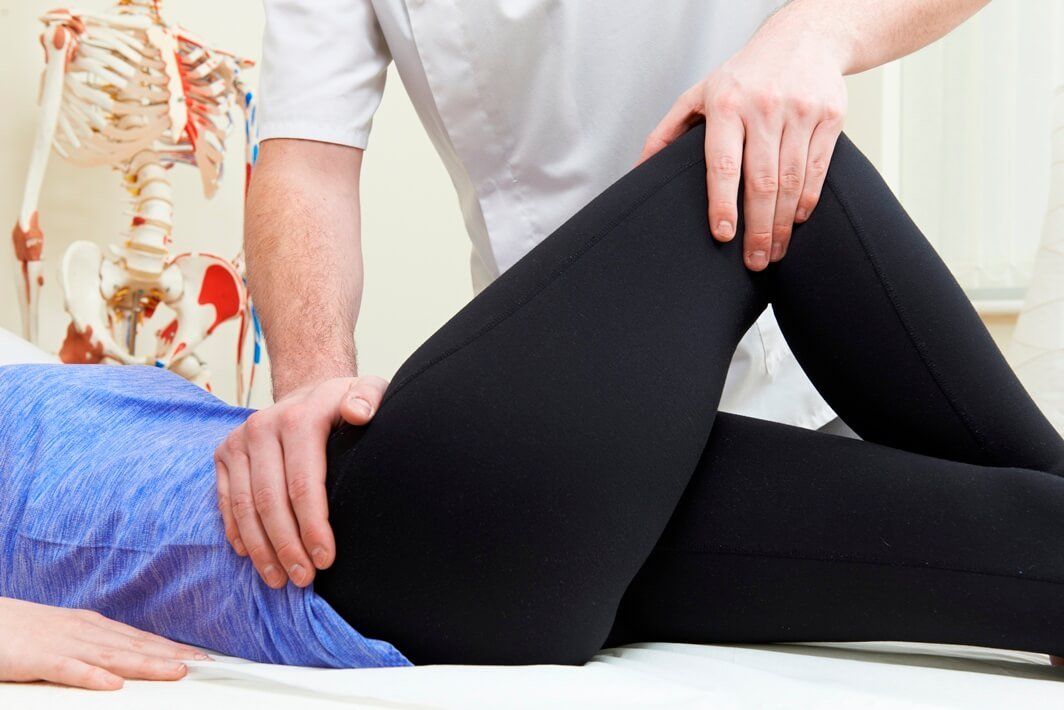
How Do We Treat This?
Once we are clear from the history taking and the physical examination, we can then come up with a plan to help. This most commonly includes
Exercises, these are some that can help pain and help improve the strength of your Gluteals and the other surrounding muscles. This can often be the most effective way to treat this issue
Glute Bridge
Side lying hip abduction
Side Plank Short Lever
Then progressing to more advanced exercises like side plank starting with short lever side plank, time yourself!
Side Plank Long Lever
Then attempting full length side plank, and again time yourself! Can you manage 30 sec hold L&R
Other options that can help are:
Manual treatment, if appropriate these techniques can help with pain and movement at the hip or back, and can then make the exercises easier to perform.
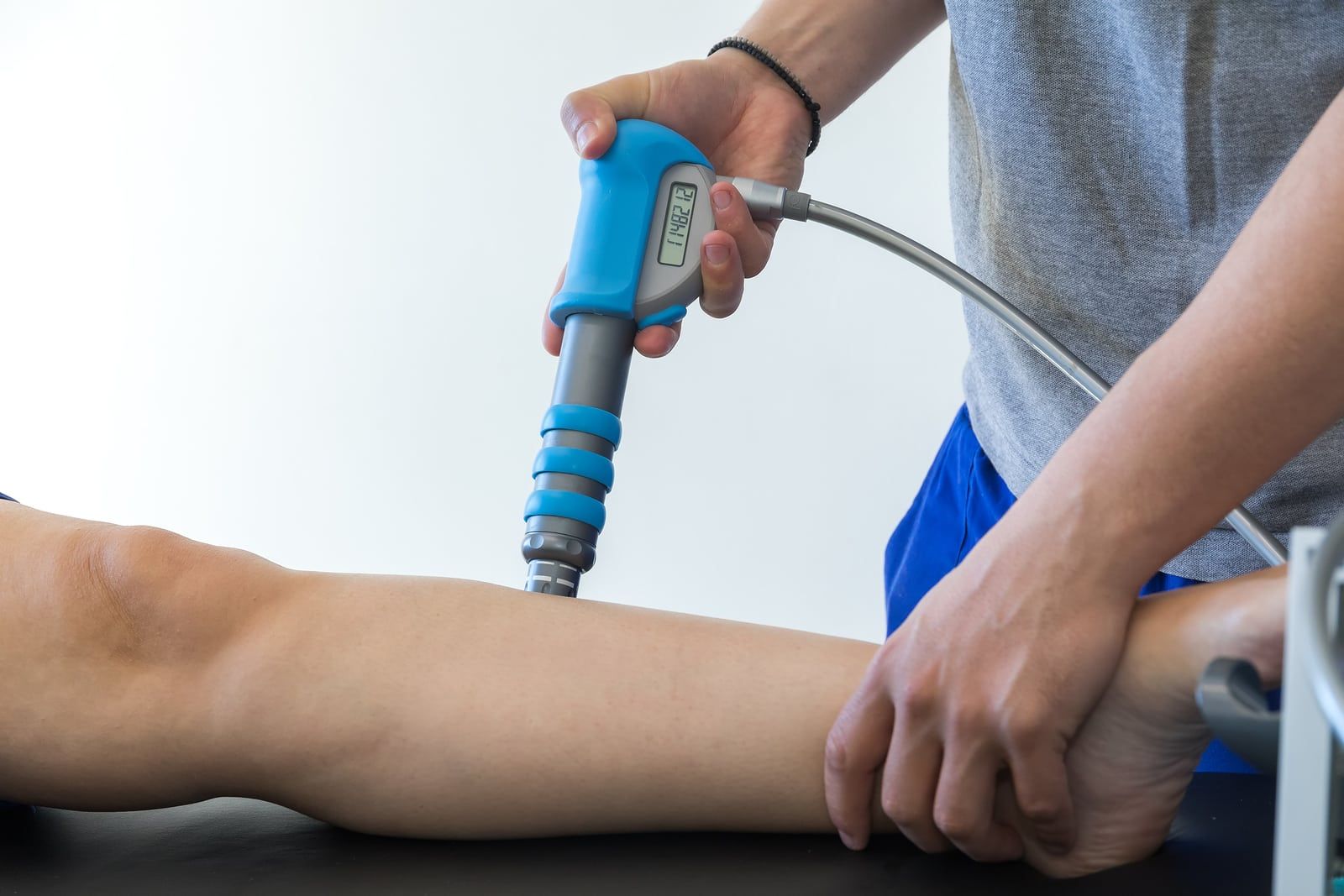
Shockwave therapy, for symptoms that have become chronic (more than 3 months) this can be a really effective treatment to help improve pain, function and tissue health.
Ultrasound and injection, if we need to investigate this further then Ultrasound can be a very helpful tool by which to assess the tissues and understand the extent of the injury. If all other options have been exhausted and appropriate, then you can discuss the option of a steroid injection to help with the hip pain. We work closely with specialists who can help with this, and we can easily refer for investigation and injection.
If you are struggling with hip pain, please get in touch today and get some advice from an expert who can help.
Contact us: