4 Great Exercises for Returning to Pre season: Regain Your Strength and Agility
Returning to sport after some time away from the pitch—whether due to an injury or an extended break—requires a thoughtful approach to ensure a safe and effective comeback. Enhancing your strength and agility is crucial for not only improving your game performance but also for reducing the risk of future injuries. Below, we discuss four excellent exercises that are particularly effective for regaining sports-ready fitness. These activities have been carefully selected to address the essential physical demands of sports.
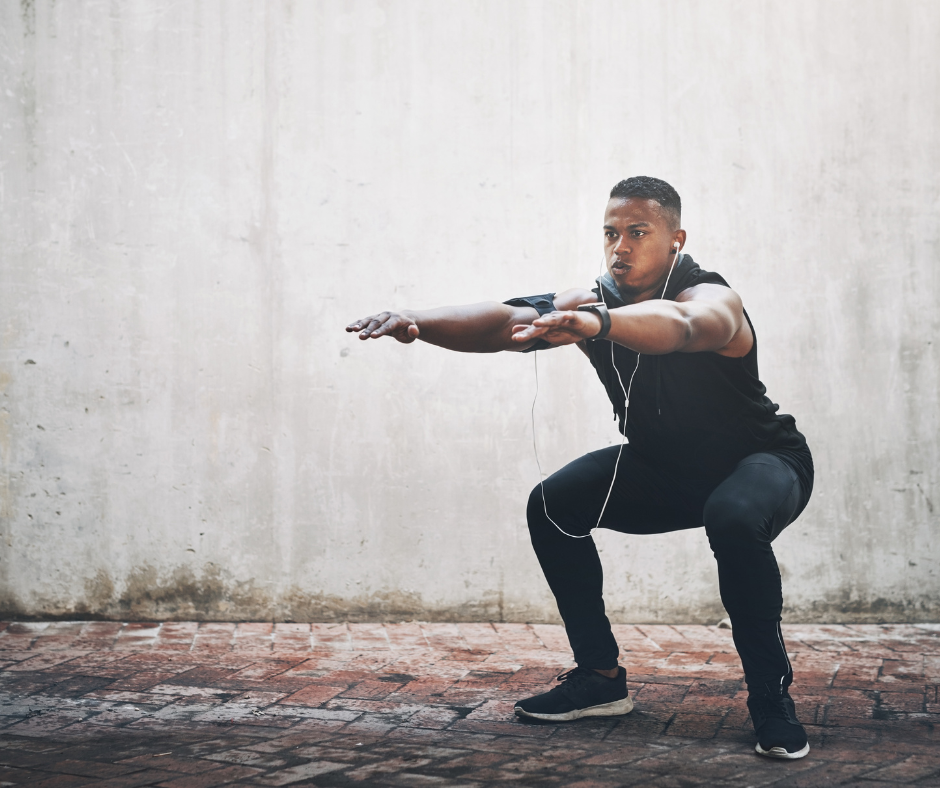
1. Master the Squat:
Squats are an excellent all-rounder in any athlete’s toolkit, especially for sports players. This powerful exercise targets several key muscle groups including the quadriceps, hamstrings, glutes, and core. These muscles are vital for lower body strength, explosive power, and stability—qualities that are indispensable for sprinting, jumping, and swiftly changing directions during a match. Begin with bodyweight squats to ensure you master the form—keep your back straight and knees in line with your toes—and gradually add weights as your strength builds.
2. Enhance Agility with Lateral Drills:
Sports aren't just about speed; it’s also about how quickly you can change direction. Lateral agility drills, such as the Ladder Drill and Shuttle Run, are perfect for enhancing your footwork, coordination, and agility. These exercises mimic on-field movements, helping you improve your manoeuvrability, which is crucial for dodging opponents and adapting quickly to dynamic game situations. Start with simple patterns and increase the complexity as you become more comfortable.
3. Build Explosive Power with Plyometrics:
Plyometric training involves explosive movements that can drastically improve your power, speed, and overall athletic capabilities. Exercises like box jumps, depth jumps, and lateral bounds help train your muscles to exert maximum force in minimal time, boosting your acceleration and vertical leap. Begin with lower-intensity variations and progressively challenge yourself with more advanced exercises to safely increase your muscle strength and joint stability.

4. Strengthen Your Core:
A robust core is the foundation of a strong, agile sports player. Incorporating exercises such as planks, Russian twists, and medicine ball throws can significantly enhance the strength of your abdominal muscles, obliques, and lower back. These exercises improve balance, posture, and body control, all of which are essential for maintaining high performance throughout the game. Focus on correct form and gradually increase the intensity of your workouts to build a stronger core.
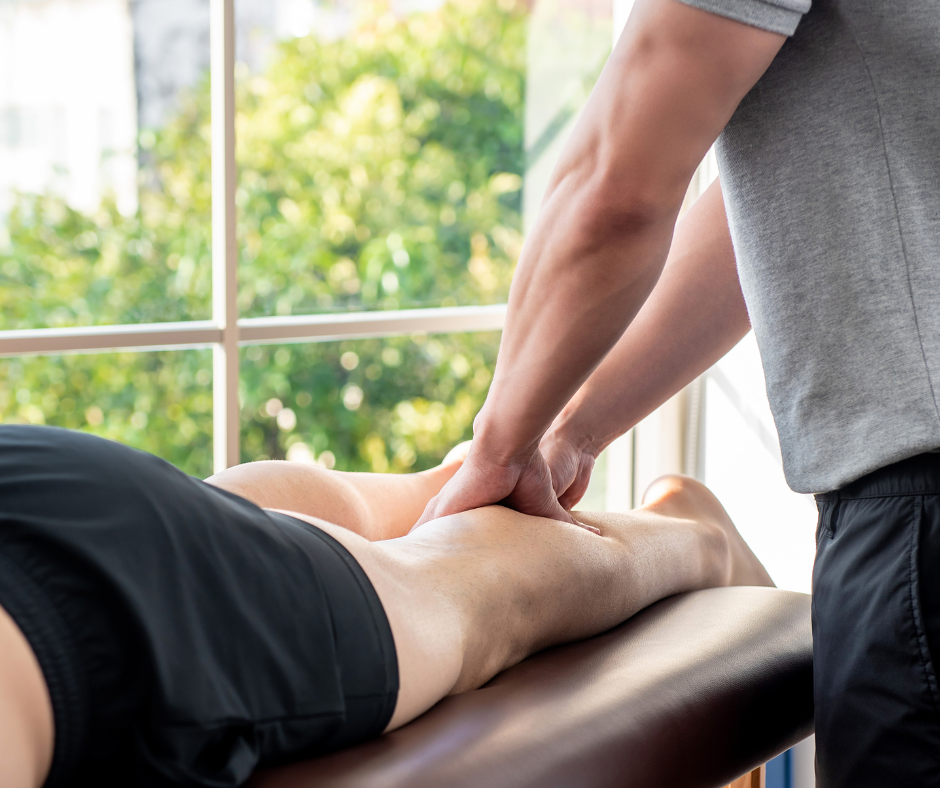
Returning to sports demands a well-rounded regimen that focuses on building strength, agility, power, and core stability. By incorporating squats, lateral agility drills, plyometric exercises, and core strengthening into your routine, you can effectively prepare your body for the rigours of the game. Always remember to consult with a professional coach or healthcare provider before beginning any new exercise program to ensure it’s suitable for your specific needs. Additionally, consider a pre-sports massage, which can be particularly beneficial before returning to the game, helping to prepare your muscles for the physical demands of sports.
As you embark on your journey back to the sports field, dedication and consistent training will be key to your success. For tailored advice and support, don’t hesitate to contact
Chelmsford Physio. We're here to help you achieve your best on and off the field.
Chelmsford Physio
Riverside Leisure Centre, Victoria Rd, Chelmsford CM1 1FG