Could Lymphatic Drainage Massage Help You?
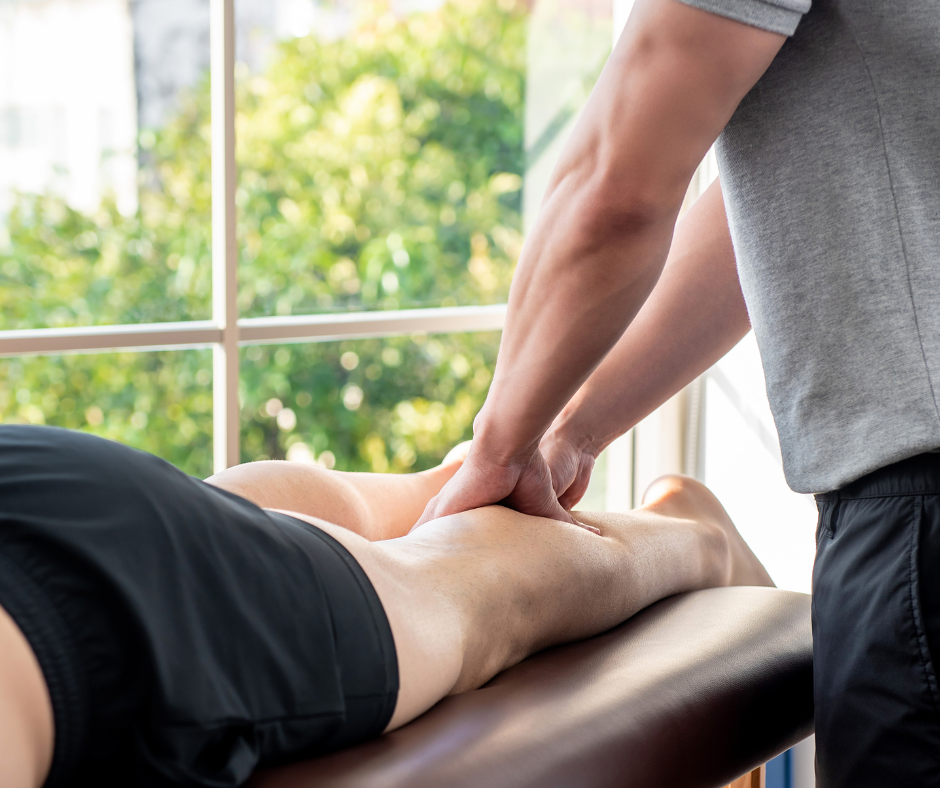
Lymphatic drainage massage (also known as manual lymphatic drainage or MLD) is a gentle form of massage that is used to improve the flow of lymph fluid through the body. Lymph fluid is a clear, colourless fluid that helps to remove waste products and toxins from the tissues. When the lymphatic system is not functioning properly, lymph fluid can build up, causing swelling (edema).
MLD is a specific technique that uses light, rhythmic strokes to move lymph fluid through the body. The therapist will use their hands to apply gentle pressure to the skin, following the path of the lymph nodes. MLD can be used to treat a variety of conditions, including:
- Lymphedema
- Breast cancer-related lymphedema
- Cellulitis
- Edema after surgery
- Swollen ankles
- Sinus congestion
- Headaches
- Fibromyalgia
- Chronic fatigue syndrome
How does Lymphatic Drainage Massage work?
The lymphatic system is a network of vessels that carry lymph fluid throughout the body. Lymph fluid is made up of white blood cells, proteins, and other fluids. It helps to remove waste products and toxins from the tissues, and it also helps to fight infection.
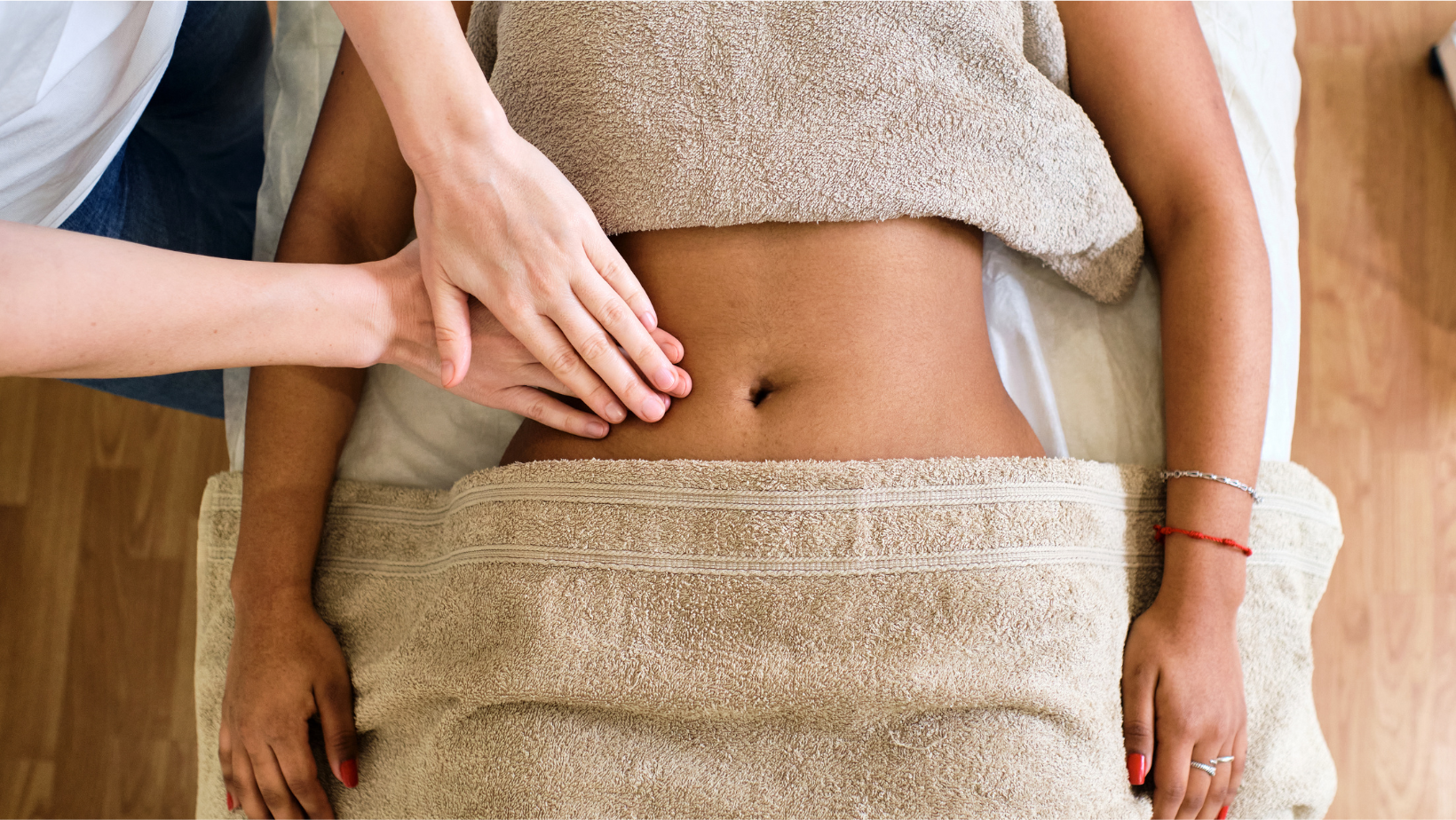
MLD works by stimulating the lymphatic system to move lymph fluid more efficiently. The therapist uses gentle pressure to massage the skin, which helps to open up the lymph vessels and allow lymph fluid to flow more freely. MLD can also help to reduce inflammation and pain.
Benefits of Lymphatic Drainage Massage
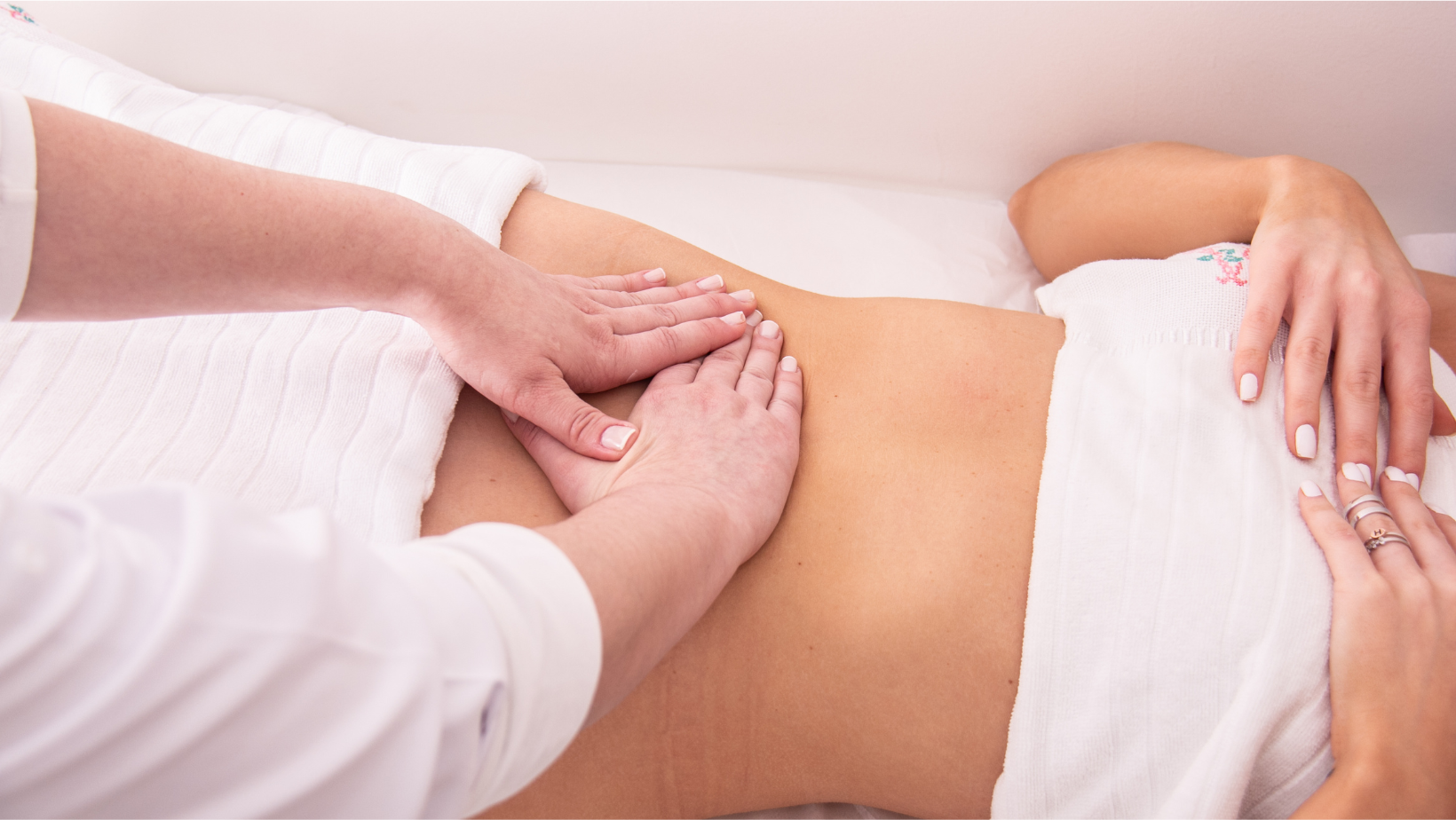
MLD has a number of benefits, including:
- Reduces swelling (edema)
- Improves circulation
- Reduces inflammation
- Relieves pain
- Improves skin health
- Boosts the immune system
Who can benefit from Lymphatic Drainage Massage?
MLD can be beneficial for people with a variety of conditions, including:
- Lymphedema
- Breast cancer-related lymphedema
- Cellulitis
- Edema after surgery
- Swollen ankles
- Sinus congestion
- Headaches
- Fibromyalgia
- Chronic fatigue syndrome
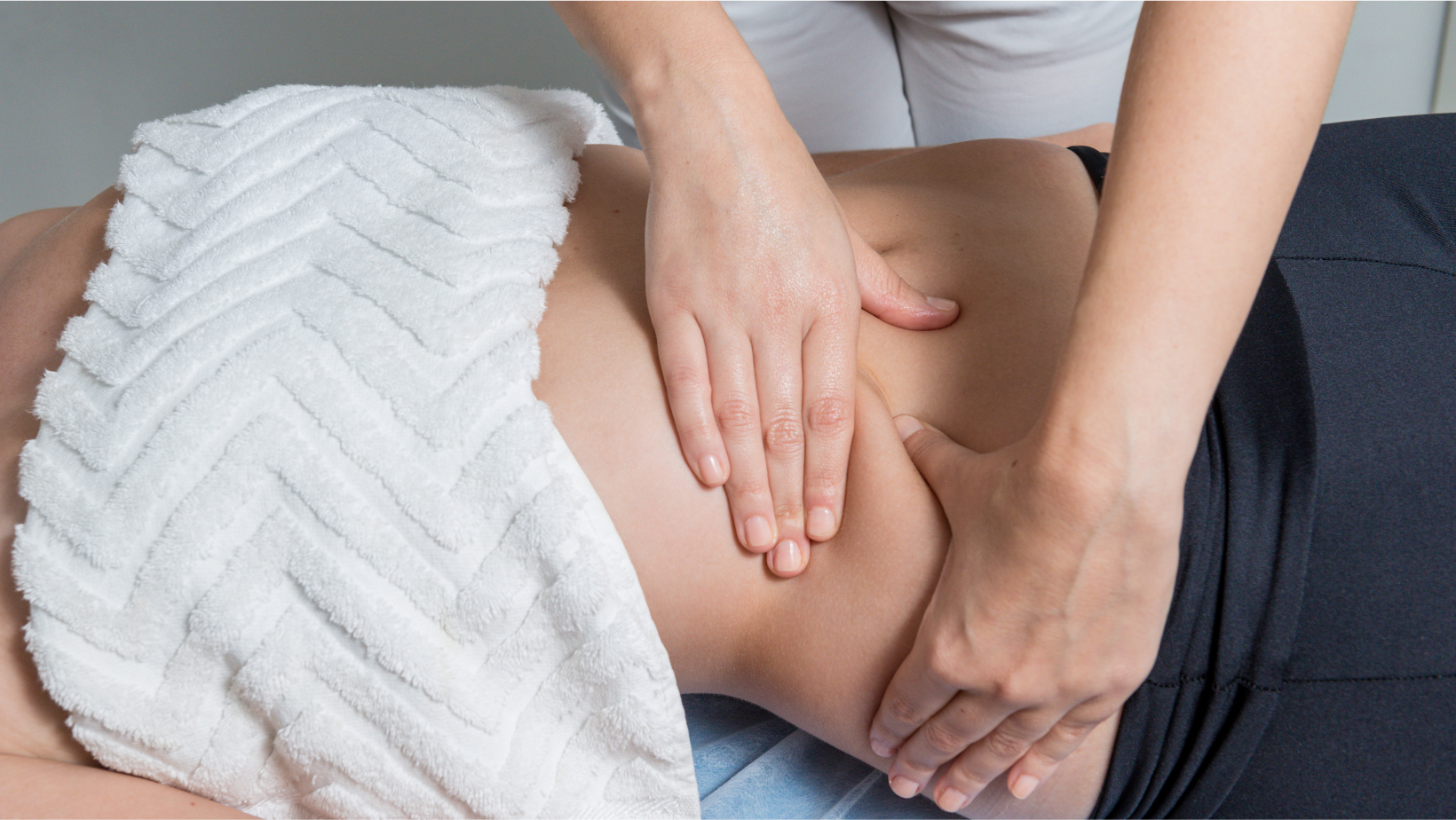
What to expect during a Lymphatic Drainage Massage:
A lymphatic drainage massage typically lasts for 30-60 minutes. The therapist will begin by assessing your lymphatic system and then applying gentle pressure to the skin. The massage will be slow and rhythmic, and the therapist may use a variety of techniques, such as effleurage, petrissage, and friction.
You may feel some tingling or warmth during the massage, but it should not be painful. If you do experience any pain, let the therapist know so they can adjust the pressure.
Aftercare for Lymphatic Drainage Massage:
After a lymphatic drainage massage, you may feel relaxed and refreshed. You may also notice that your swelling has decreased. It is important to drink plenty of fluids after your massage to help flush out toxins. You may also want to avoid strenuous activity for a few hours after your massage.
Chelmsford Physio
Riverside Leisure Centre, Victoria Rd, Chelmsford CM1 1FG